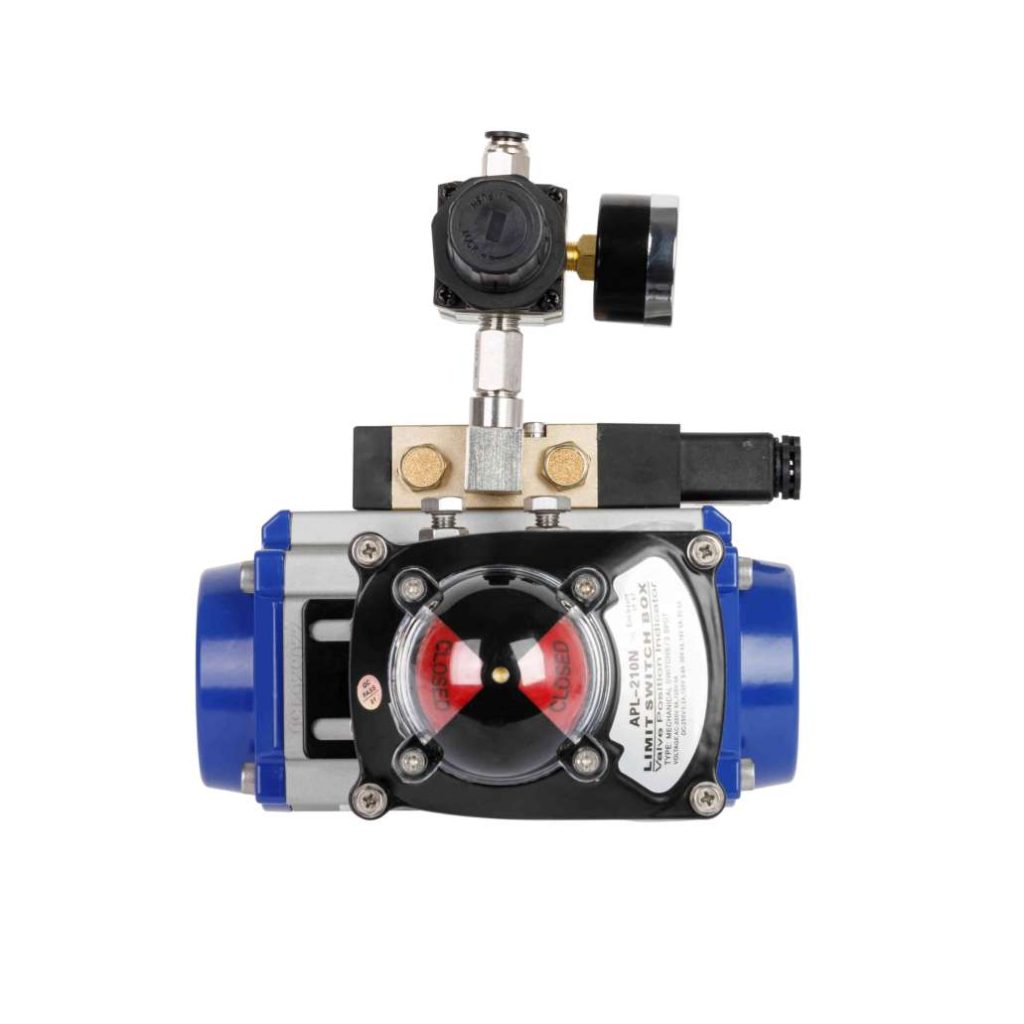
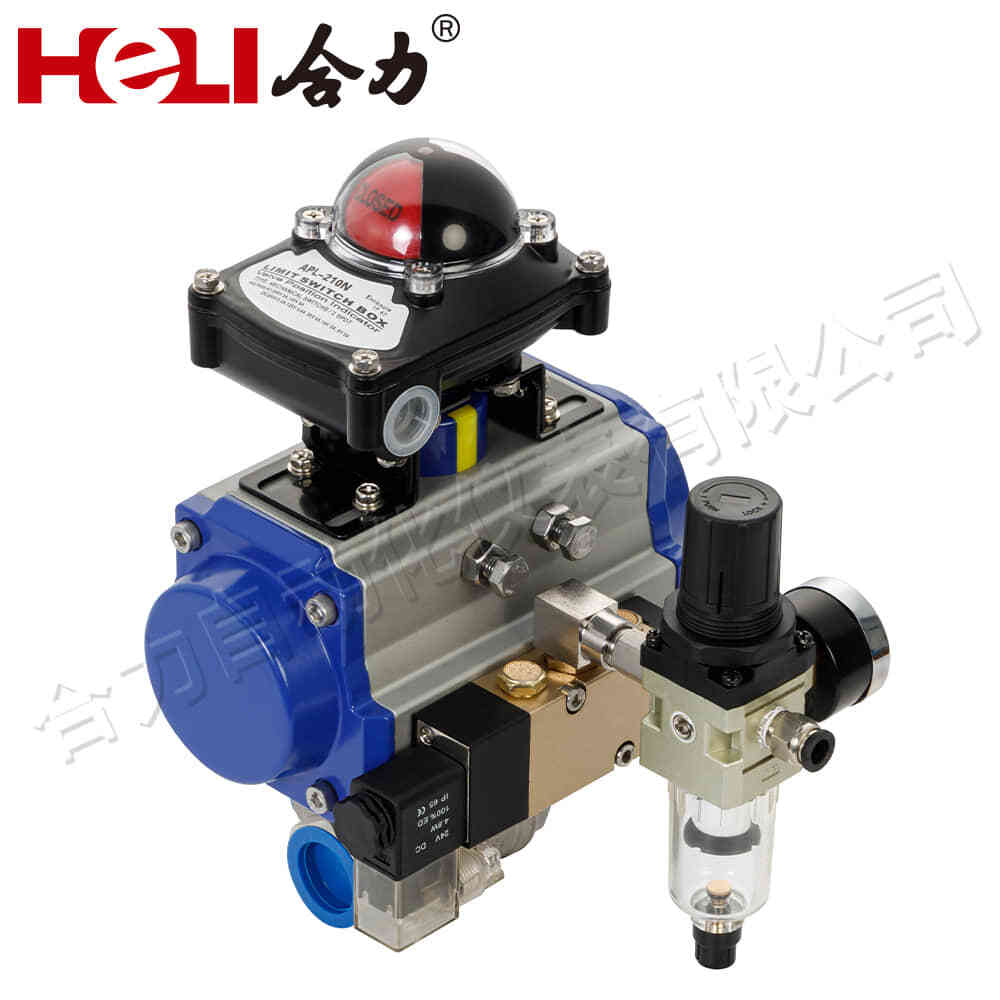
Pneumatic actuators are vital components in various industrial automation and control systems, harnessing compressed air to create motion and perform work. As automation technology progresses, the importance of understanding the functionality, benefits, and diverse applications of pneumatic actuators becomes increasingly crucial for engineers and technicians alike. This article aims to provide an in-depth exploration of pneumatic actuators, covering their principles of operation, advantages, and widespread applications across different industries.
Principles of Operation
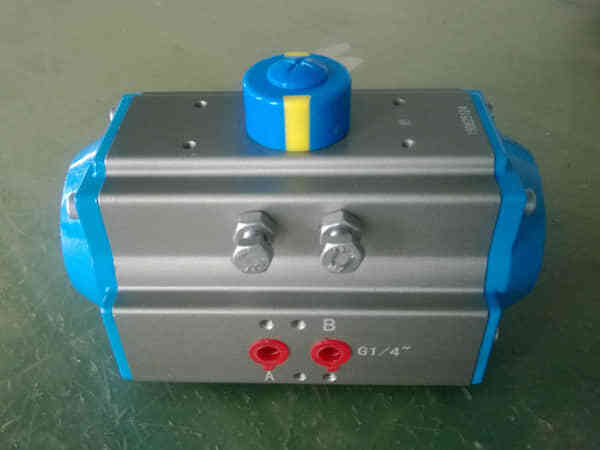
At the core of a pneumatic actuator’s functionality lies its ability to convert the energy stored in compressed air into mechanical motion. The actuator typically consists of a cylinder housing a movable piston. When compressed air is supplied to one side of the piston, it generates a pressure difference that forces the piston to move. This motion can result in either linear movement (in the case of linear actuators) or rotational motion (in the case of rotary actuators). There are two main types of pneumatic actuators: linear and rotary. Linear pneumatic actuators use the straight line movement of the piston to perform tasks such as opening or closing valves. Rotary pneumatic actuators, on the other hand, utilize the same principle to create rotary motion, commonly used to turn shafts or valves. The corresponding configuration of these actuators can vary, influencing their performance and application context.