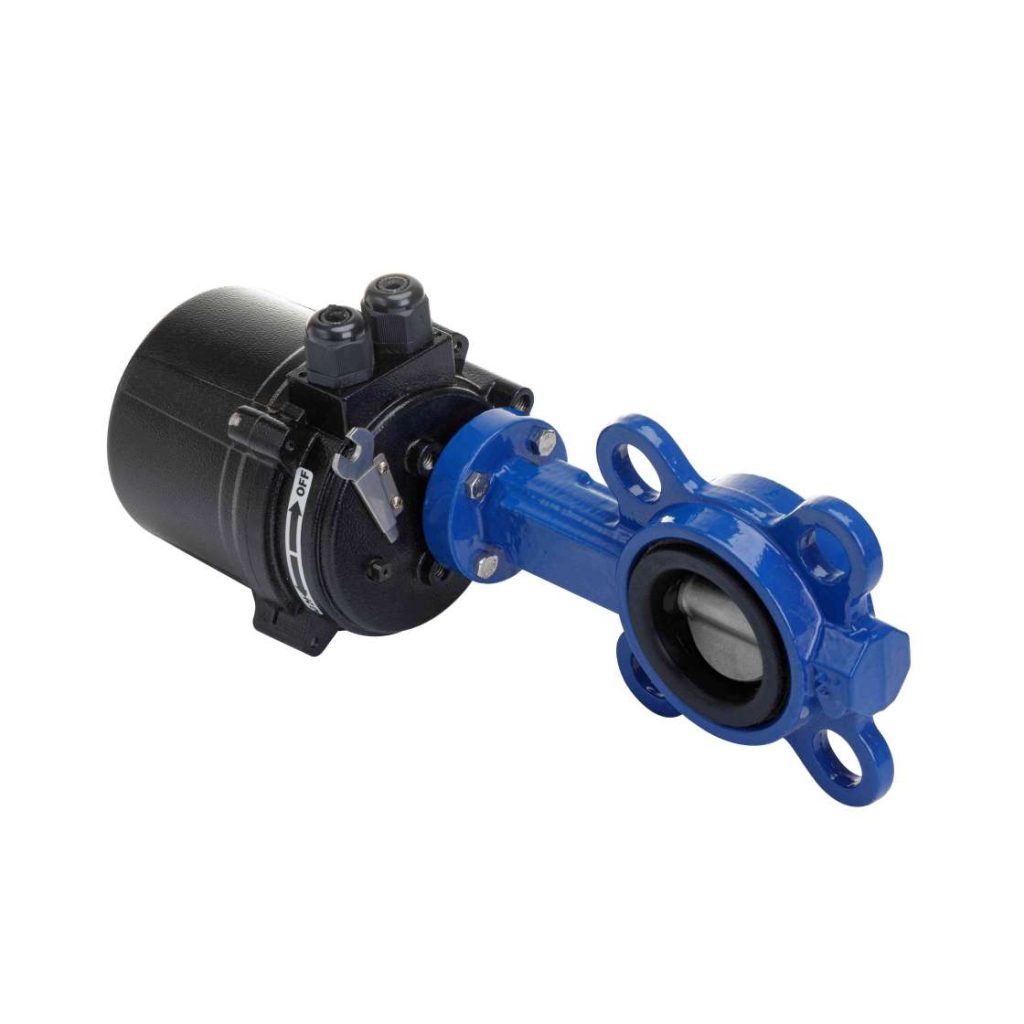
Agricultural irrigation is one of the most critical aspects of modern farming, ensuring that crops receive sufficient water to grow and thrive. In recent years, advancements in irrigation technology have led to the widespread use of automated systems designed to optimize water usage, improve efficiency, and reduce labor costs. One such innovation is the electric butterfly valve, a key component in many agricultural irrigation systems. This article explores the role of electric butterfly valves in agricultural irrigation, their advantages, applications, and how they contribute to sustainable water management.
What is an Electric Butterfly Valve?
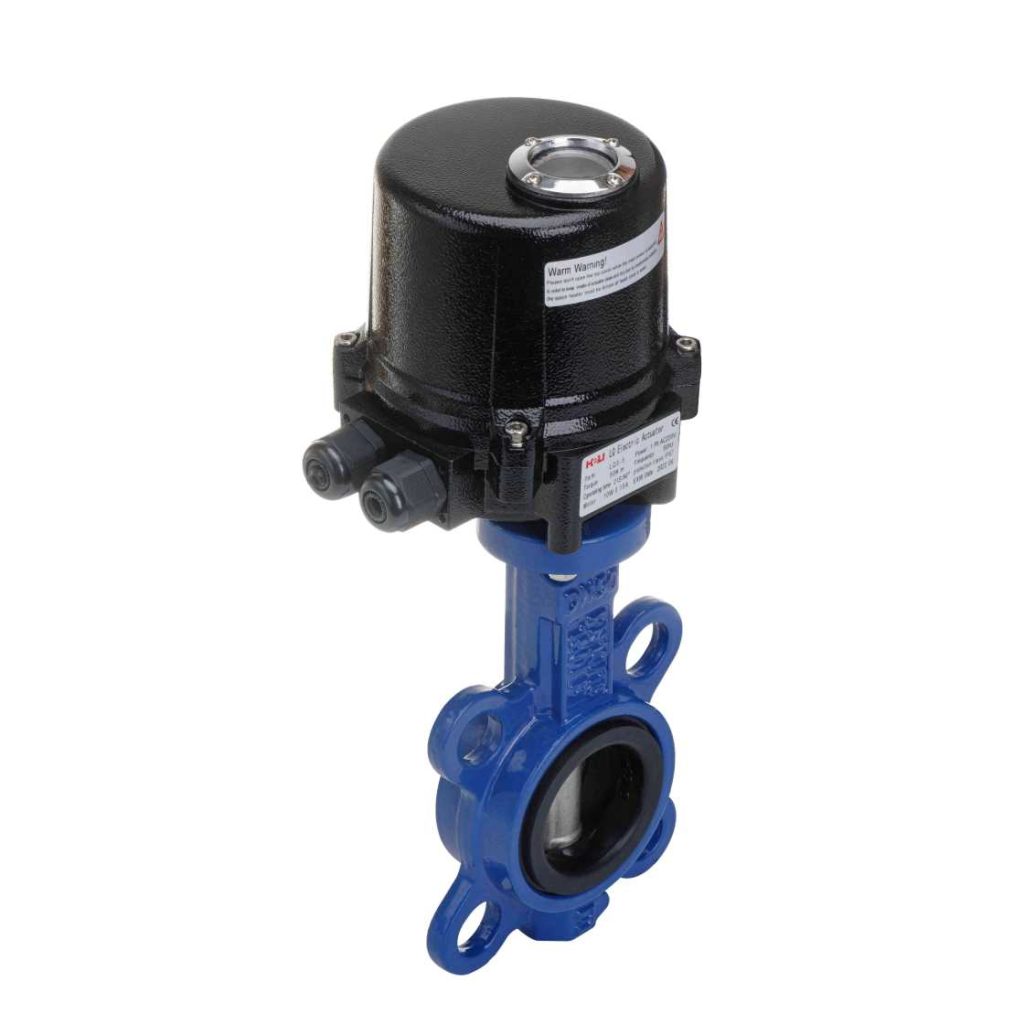
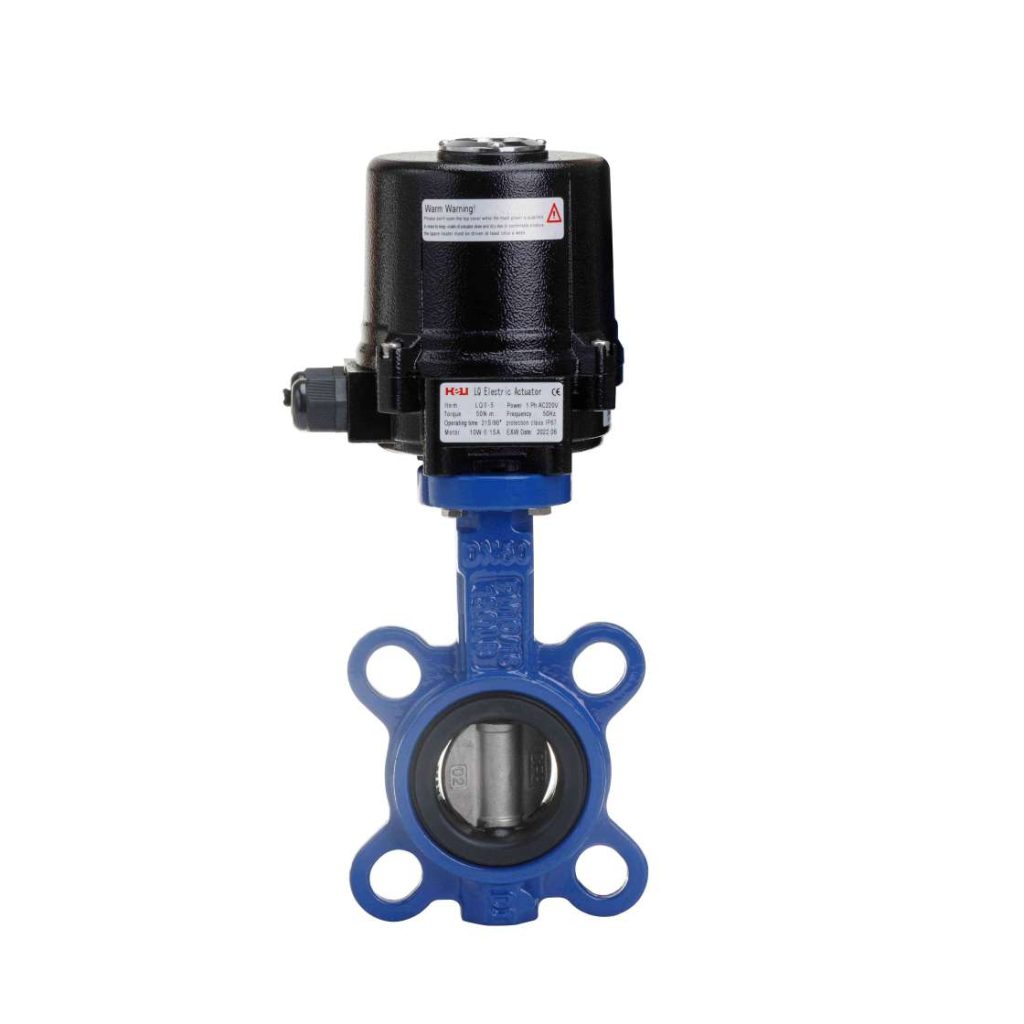
An electric butterfly valve is a type of flow control valve that operates with an electric actuator, allowing it to open or close automatically based on electrical signals. The valve consists of a circular disc (the “butterfly”) that pivots around a central axis, regulating the flow of water through a pipeline. The electric actuator controls the valve’s position by turning the disc, enabling precise flow control. Electric butterfly valves are often preferred for large-scale irrigation systems because they provide efficient, reliable, and easy-to-control solutions for regulating water distribution. Unlike manual valves, which require constant human intervention, electric butterfly valves can be operated remotely, making them an essential component in automated irrigation setups.