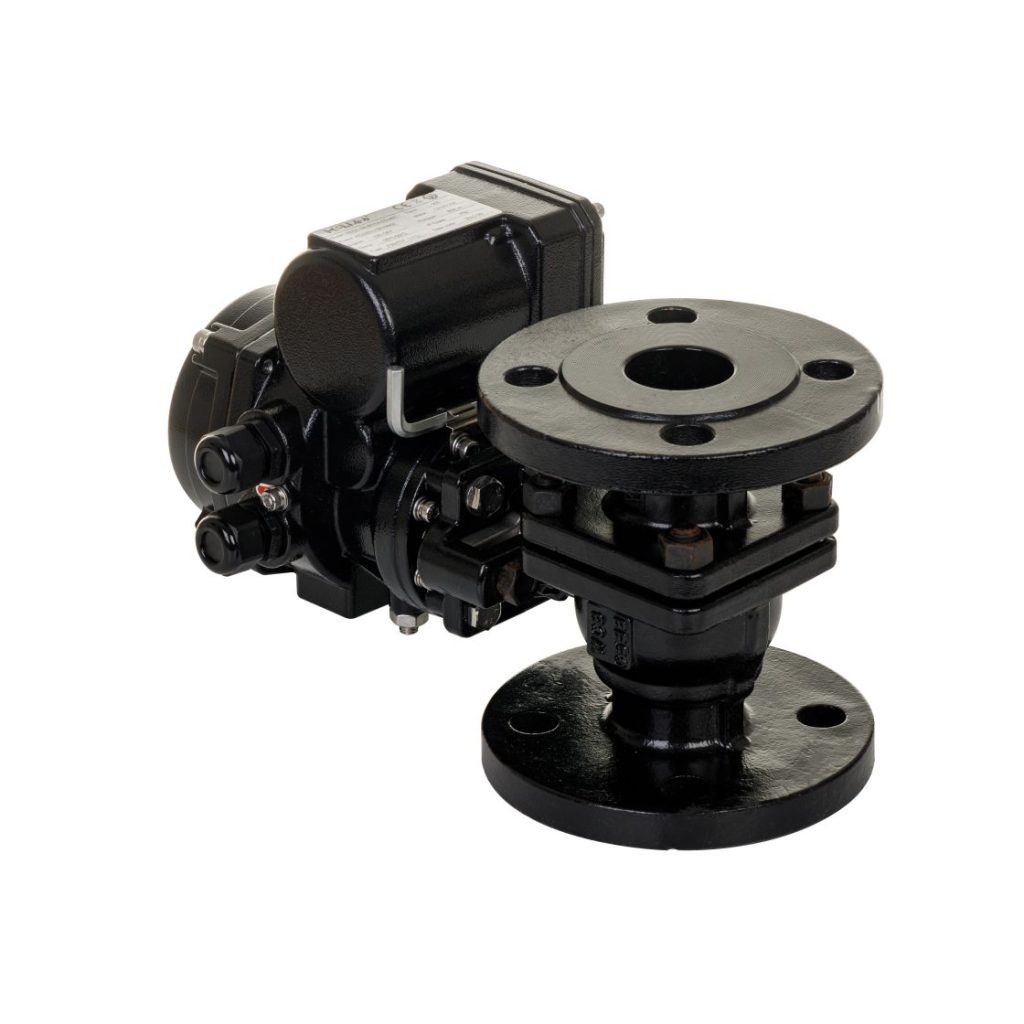
In industrial settings, the precision and reliability of valve systems are critical for ensuring efficient operation and safety. Among the various types of valves available, the lithium battery electric flange ball valve has gained popularity due to its ability to provide effective fluid control without the need for a constant power supply. This article delves into the design, operation, applications, and advantages of lithium battery electric flange ball valves.
Design and Operation
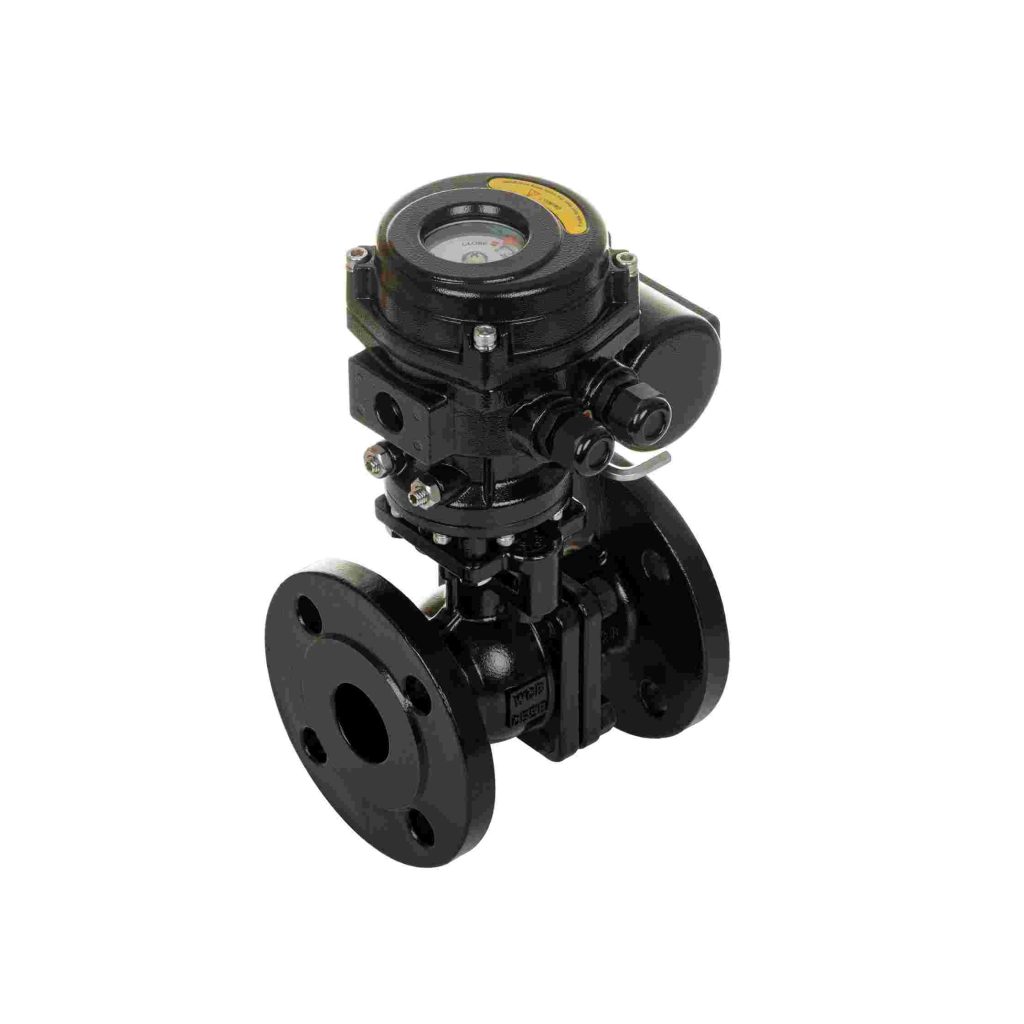
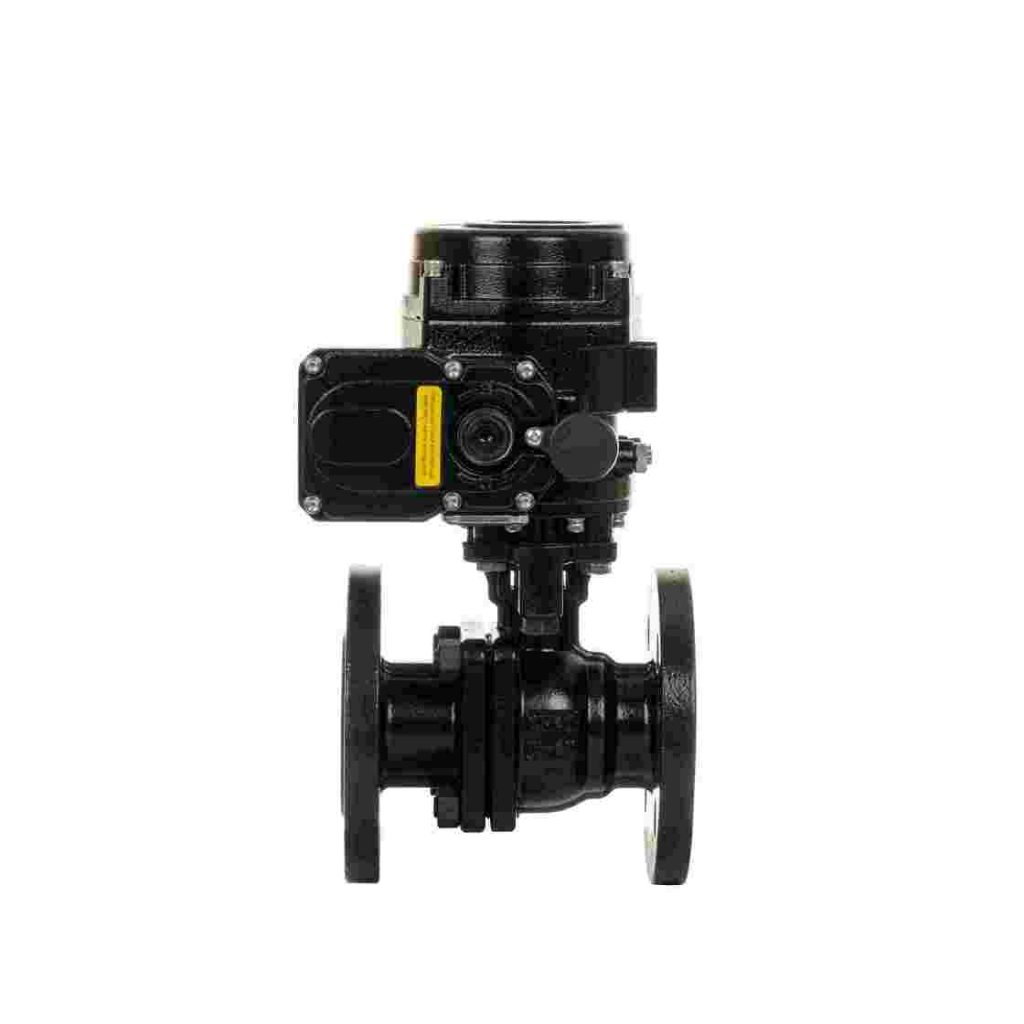
A lithium battery electric flange ball valve is fundamentally designed with a spherical closure element that controls the flow of fluid through it. The valve is mounted with flanged connections on both ends, which allow for easy installation and disconnection within a piping system. The inner ball has a bore that allows fluid to pass through when aligned parallel to the flow direction, thereby opening the valve. Conversely, when the ball is turned 90 degrees to the flow direction, the valve closes, preventing fluid from passing. What sets the lithium battery electric flange ball valve apart from traditional valves is its electric actuation mechanism powered by lithium batteries. This type of valve typically employs an electric motor—often a stepper or servo motor—that rotates the ball to the desired position based on a control signal. The use of lithium batteries provides a significant advantage in applications where external power sources may be unavailable, making these valves suitable for remote or mobile operations.