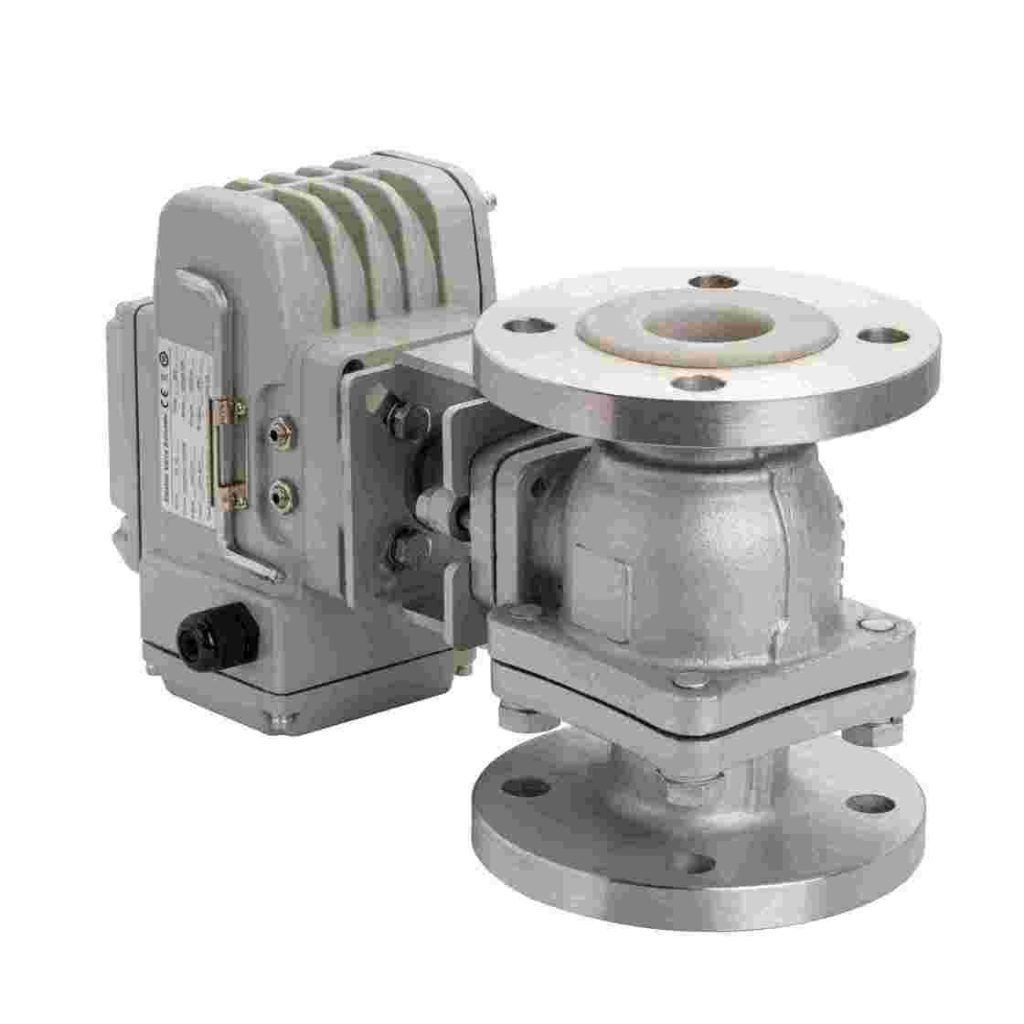
Electric flange ball valves have become an indispensable component in modern industrial applications due to their precise control, reliability, and ease of integration into automated systems. These valves offer numerous advantages over traditional manual valves, making them particularly valuable in industries such as oil and gas, chemicals, power generation, and water treatment. With their ability to remotely control fluid flow, electric flange ball valves provide enhanced operational efficiency, safety, and flexibility.
What is an Electric Flange Ball Valve?
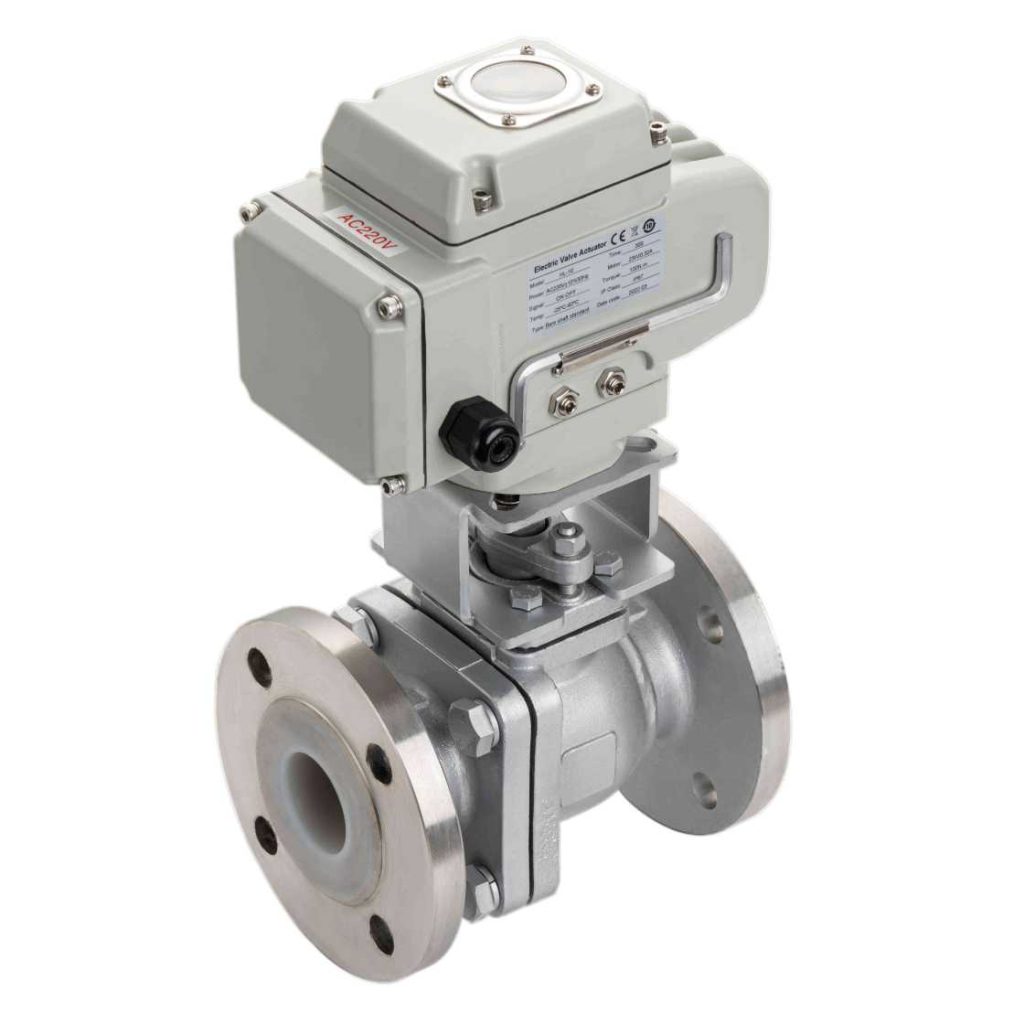
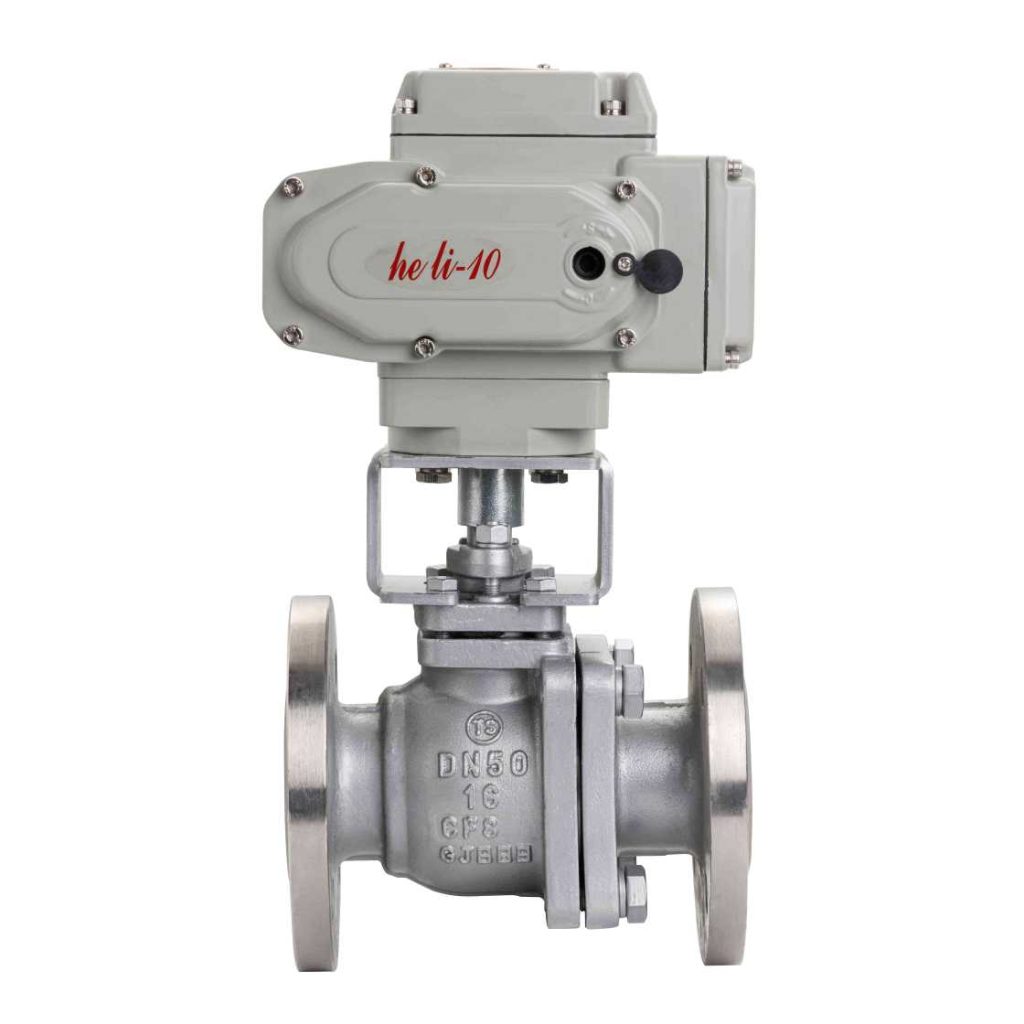
An electric flange ball valve is a type of ball valve that uses an electric actuator to open or close the valve, regulating the flow of liquids or gases through pipes. The “flange” refers to the method of connecting the valve to the pipeline, where flanges are welded or bolted to the ends of the valve to ensure a secure and tight fit. These valves are generally designed for high-pressure applications and can be customized to fit a wide range of pipe sizes and pressure ratings. The key feature of a ball valve is its spherical, hollow ball, which rotates 90 degrees to either allow or block fluid flow. This ball is typically made of stainless steel or other corrosion-resistant materials, ensuring durability in harsh environments.