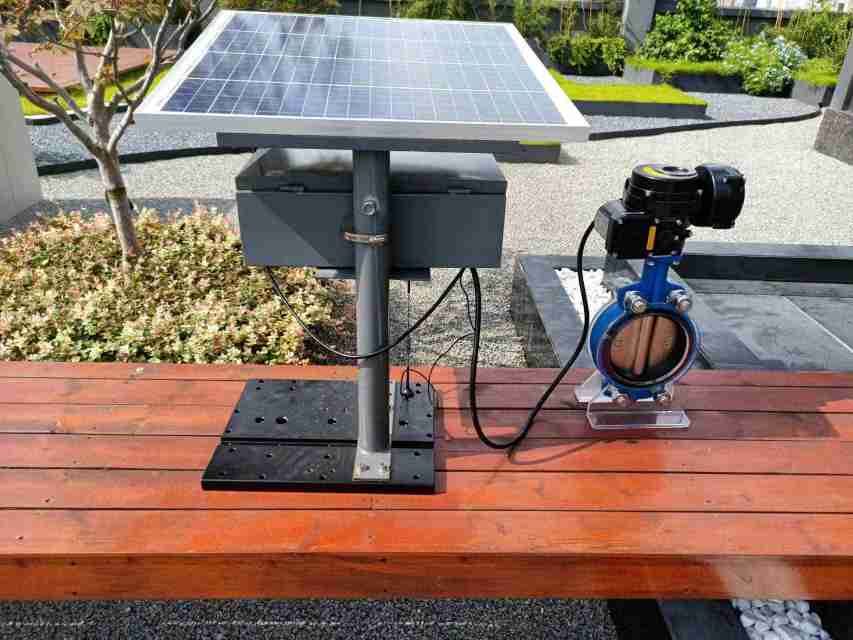
The integration of renewable energy sources like solar power into our global energy matrix has driven the innovation of various technologies aimed at improving efficiency and sustainability. One such innovation is the WCB Photovoltaic Electric Valve, an essential component that enhances the overall performance of solar power systems, particularly in terms of energy management, cooling, and control. These valves have emerged as critical elements in photovoltaic (PV) systems, ensuring the smooth operation of solar plants while contributing to their efficiency and longevity. In this article, we will explore the role of WCB photovoltaic electric valves in solar power systems, their working principles, applications, and advantages.
What is the WCB Photovoltaic Electric Valve?
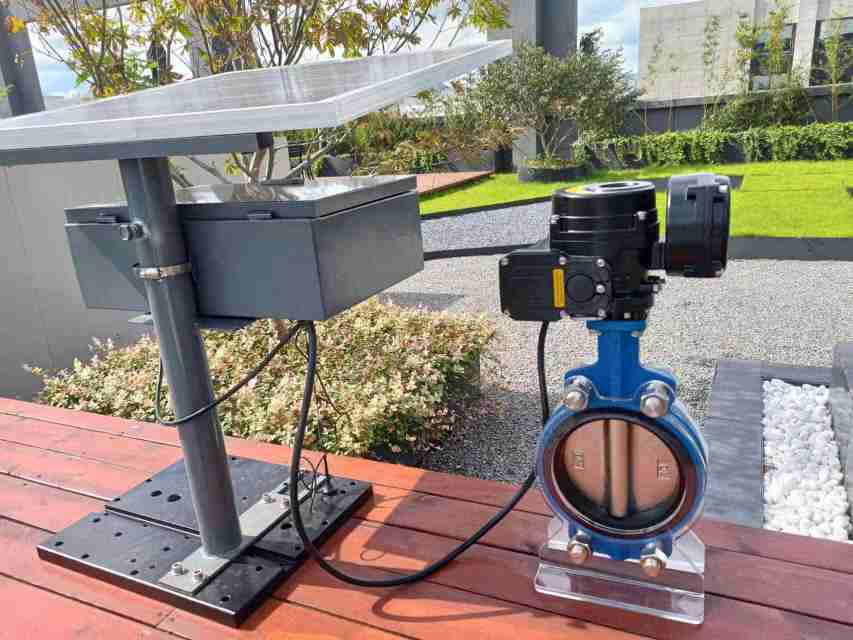
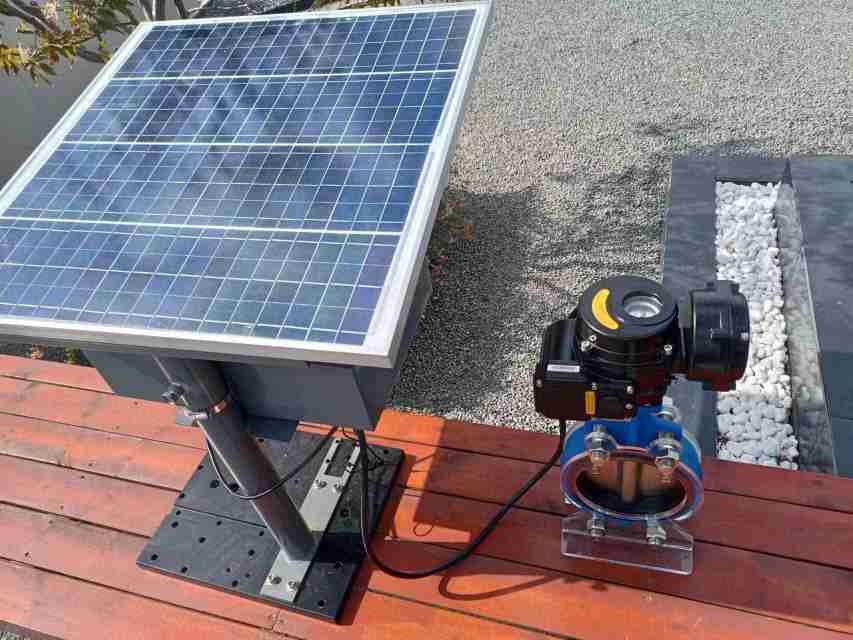
The WCB Photovoltaic Electric Valve refers to an electrically actuated valve designed specifically for use in photovoltaic (solar power) systems. This type of valve is part of the broader category of automated control systems used in various industries to regulate the flow of liquids, gases, or air. In solar power plants, WCB electric valves are crucial for managing the movement of fluids within cooling systems, energy storage systems, and fluid-coupled transmission systems that support solar power generation. The “WCB” designation typically refers to a specific brand or model series known for its high-quality manufacturing and application in photovoltaic systems, though it is important to note that WCB can also stand for “Welded Carbon Steel Body”, which is often used in valve construction, ensuring durability and resistance to corrosion.