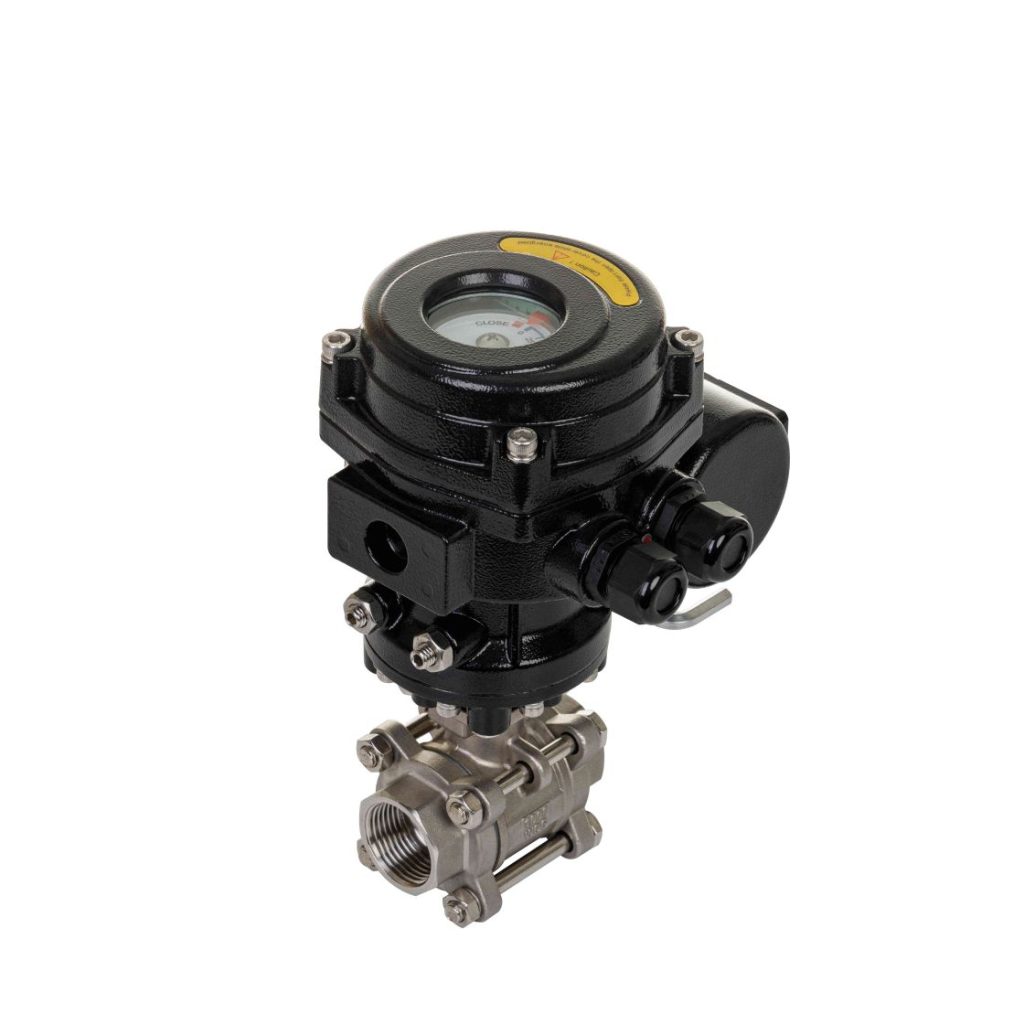
The Stainless Steel Electric Screw Ball Valve is a revolutionary component in modern industrial automation, offering an effective solution for precise flow control in demanding environments. Combining the robustness of stainless steel, the efficiency of electric actuation, and the versatility of ball valve design, this valve type has become an indispensable tool across various sectors such as chemical processing, oil and gas, water treatment, and more. In this article, we will explore the key features, applications, and benefits of the Stainless Steel Electric Screw Ball Valve, and how it contributes to enhancing system efficiency and operational safety.
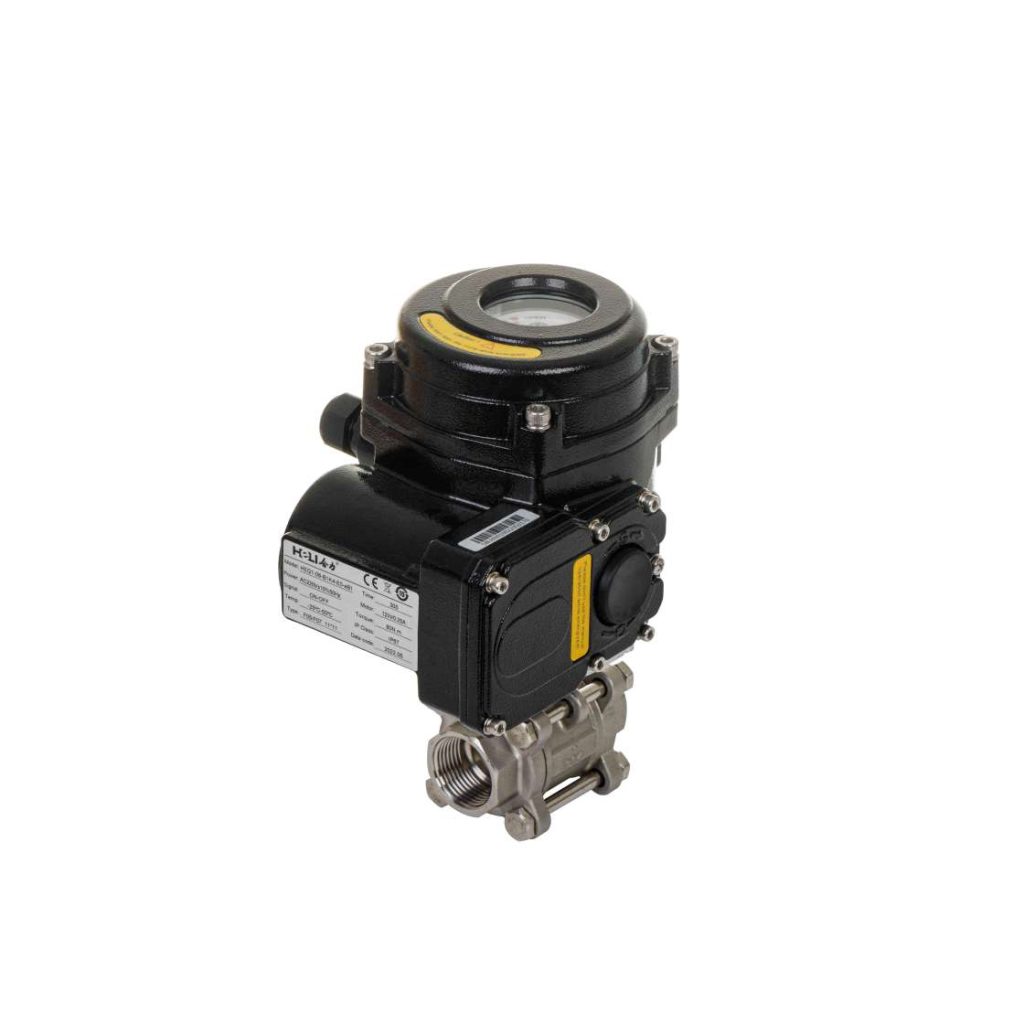
Key Features of Stainless Steel Electric Screw Ball Valve
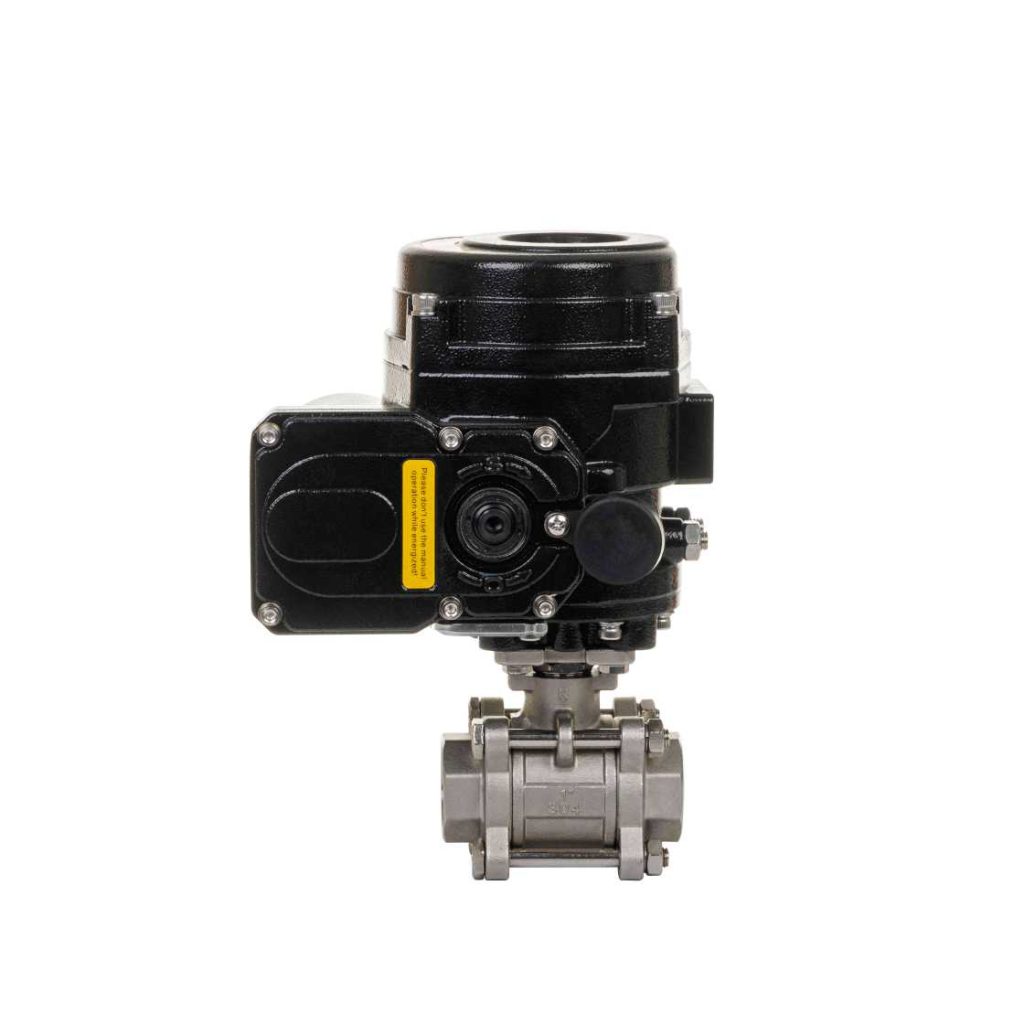
Corrosion Resistance and Durability Stainless steel is renowned for its excellent resistance to corrosion, rust, and wear. The Stainless Steel Electric Screw Ball Valve leverages this material’s advantages, making it ideal for harsh environments where traditional valves might fail. This includes industries dealing with corrosive fluids, high temperatures, or environments with high salinity, such as marine applications. Common grades like 304 and 316 stainless steel offer superior protection against degradation, ensuring long-term reliability and a significantly extended service life. Electric Actuation for Remote Control One of the primary benefits of the Stainless Steel Electric Screw Ball Valve is the integration of an electric actuator. Unlike manual valves that require physical labor to operate, the electric actuator allows for remote control of the valve, which is crucial in large-scale industrial processes. These valves can be controlled through a centralized system, such as a programmable logic controller (PLC) or distributed control system (DCS), improving the efficiency of the process and reducing the need for manual intervention.