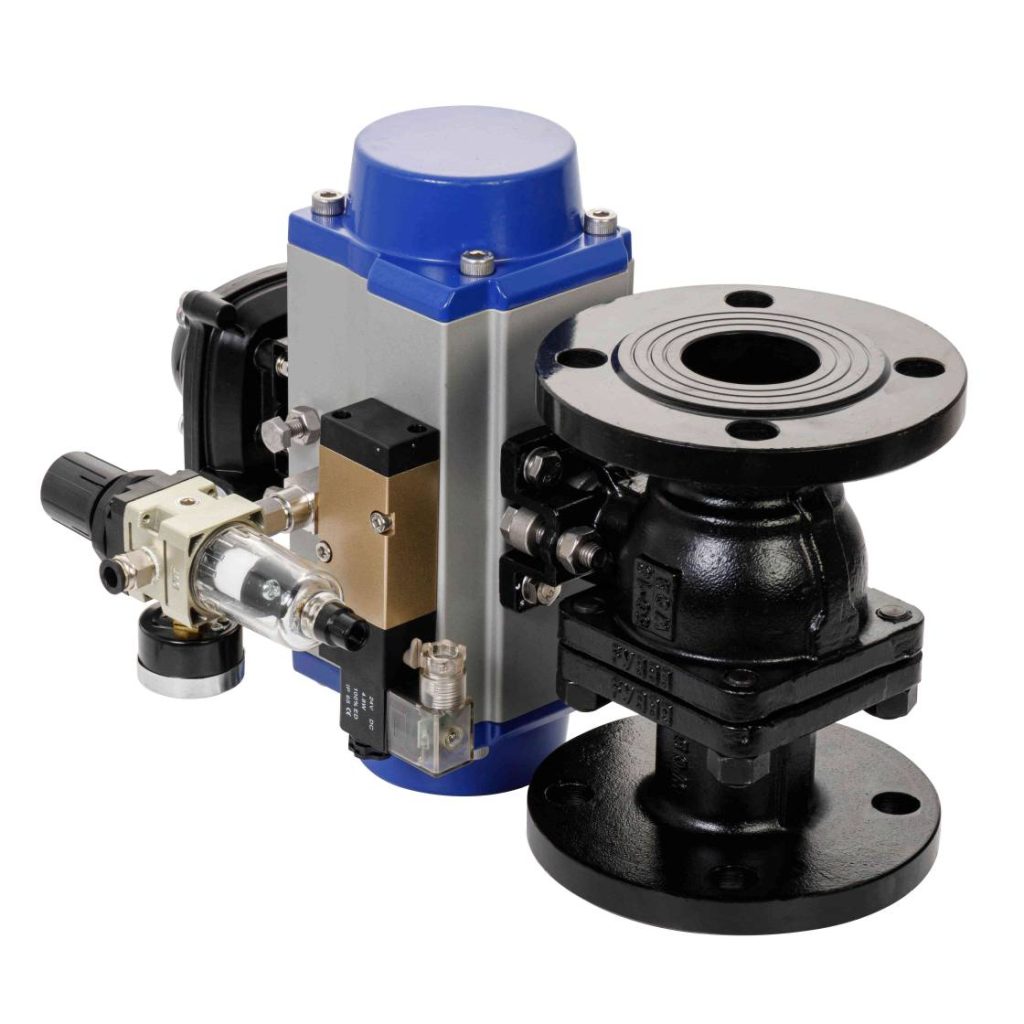
In the realm of industrial automation, the Stainless Steel Pneumatic Ball Valve stands as a crucial component, facilitating control over the flow of fluids in various applications. This valve type is designed to offer reliability, efficiency, and versatility, making it a preferred choice across numerous sectors, including chemical processing, food and beverage, oil and gas, and wastewater management.
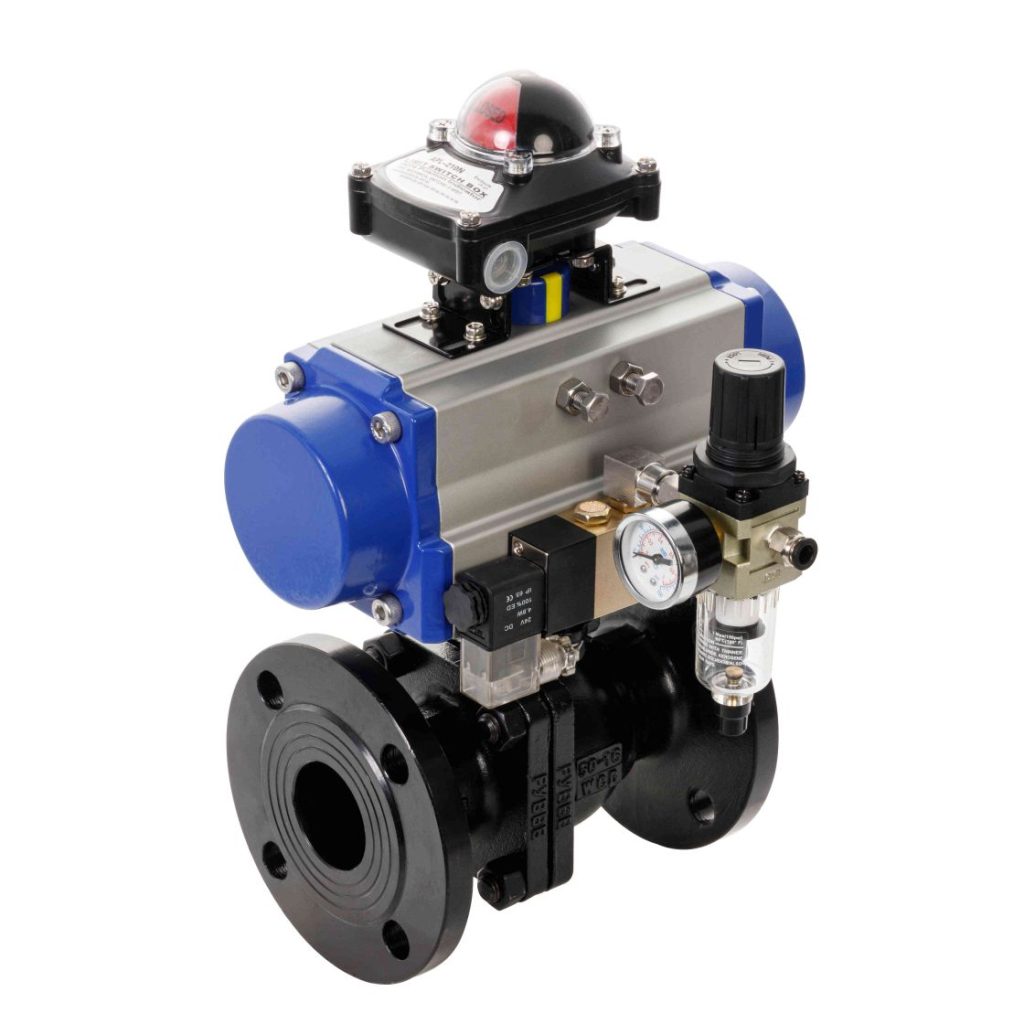
Design Features
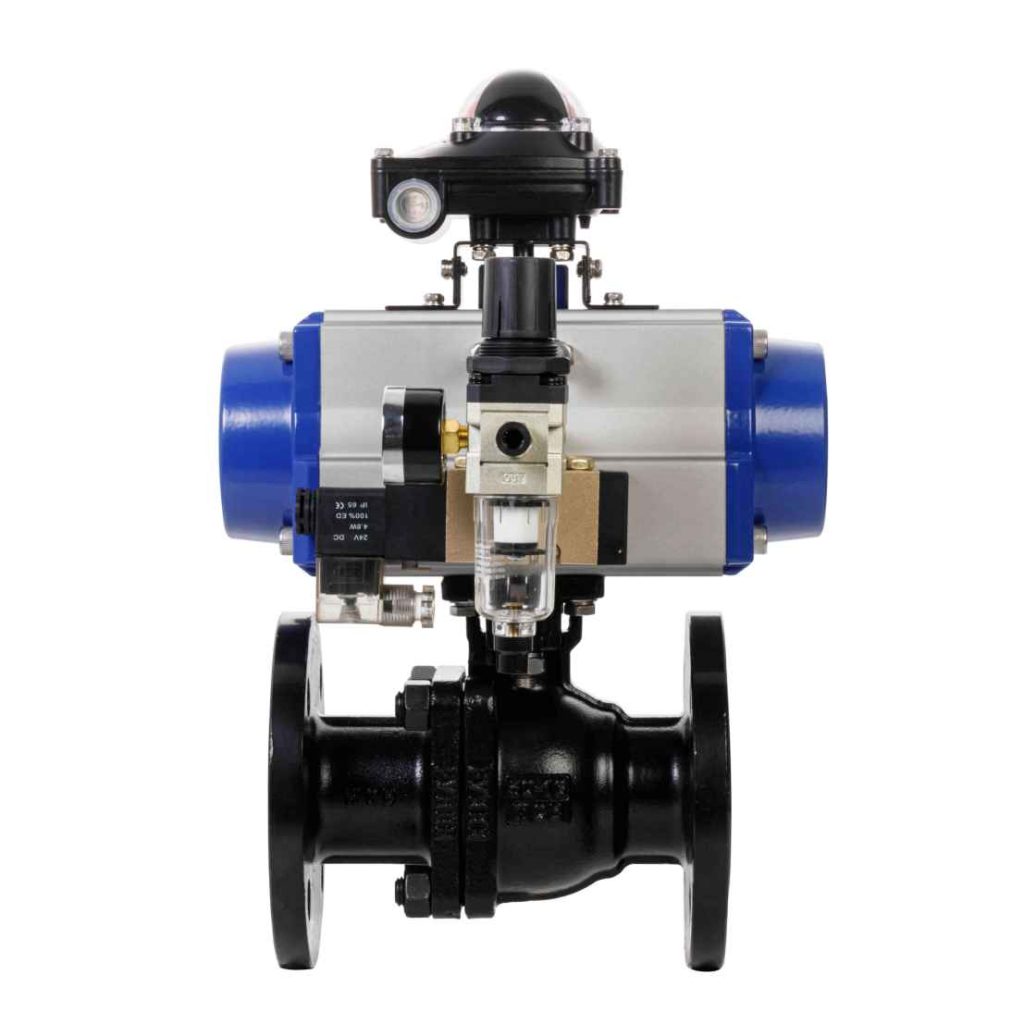
Stainless Steel Pneumatic Ball Valves are characterized by their robust construction and simplicity in design. The primary component of this valve is a spherical ball that contains a hole or port. When the valve is closed, the ball rotates to block the flow, and when opened, the ball rotates 90 degrees, allowing fluid to pass through the open port. This straightforward mechanism facilitates rapid operation, often requiring only a quarter turn to change the state from open to closed or vice versa. The materials used in the construction of these valves are critical for their performance. Typically made from high-quality stainless steel, such as 304 or 316 grade, these valves exhibit excellent resistance to corrosion and rust. This makes them particularly suitable for applications involving aggressive chemicals, high temperatures, or pressure. The stainless steel construction also ensures longevity and reduces the need for frequent maintenance, ultimately leading to cost savings over time.