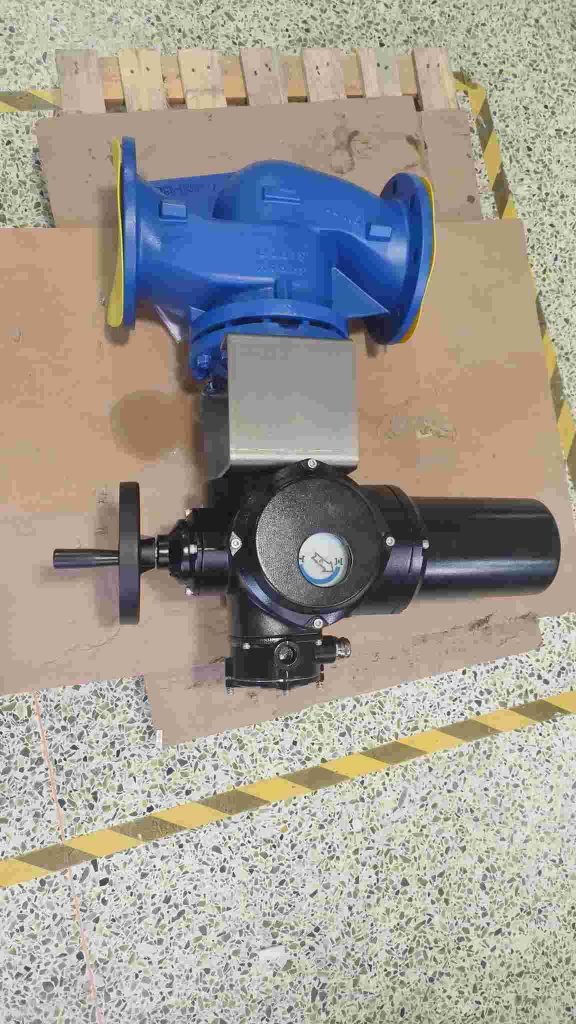
The shift toward hydrogen as a clean energy source is becoming increasingly significant, driven by its potential to reduce greenhouse gas emissions and provide a sustainable solution for various industries. Hydrogen energy systems, particularly those focused on storage and transportation, require robust infrastructure to ensure their efficiency and safety. One such critical component in these systems is the Hydrogen Energy Electric Bellows Stop Valve. This valve plays an essential role in controlling the flow of hydrogen gas, ensuring its safe transport, and maintaining system integrity.
Overview of Hydrogen Energy Systems
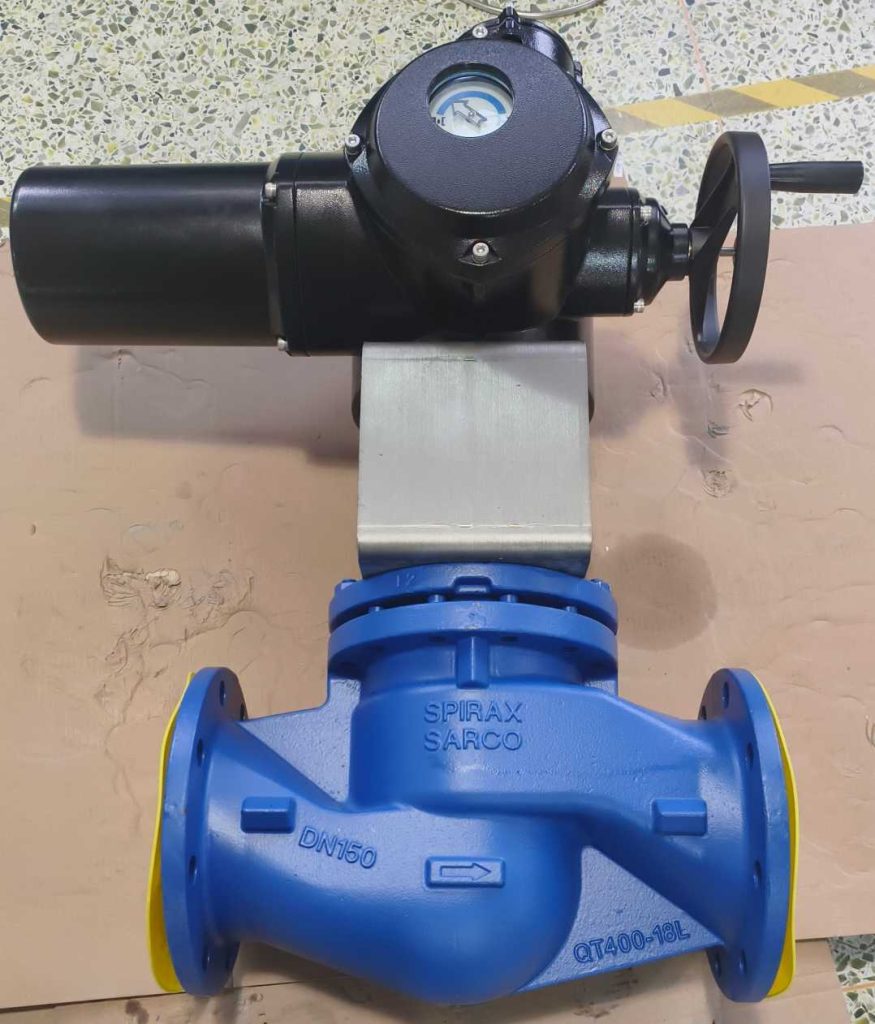
Hydrogen energy systems are used to store, transport, and utilize hydrogen for various purposes, including fuel cells, industrial processes, and power generation. Due to hydrogen’s highly reactive nature, its transportation and storage present unique challenges. Hydrogen gas is stored under high pressure or at very low temperatures, making it prone to leakage, which can be hazardous. Consequently, controlling the flow and maintaining the integrity of hydrogen systems are paramount for safety. The Role of the Hydrogen Energy Electric Bellows Stop Valve The Hydrogen Energy Electric Bellows Stop Valve is designed to play a crucial role in hydrogen energy systems by controlling the flow of hydrogen gas within the system. Unlike traditional manual valves, this valve is equipped with an electric actuator, which allows for remote operation and precise control over the flow of gas. The electric bellows stop valve uses a flexible bellows to provide a tight seal, preventing hydrogen from leaking, which is crucial given hydrogen’s propensity to escape from systems.