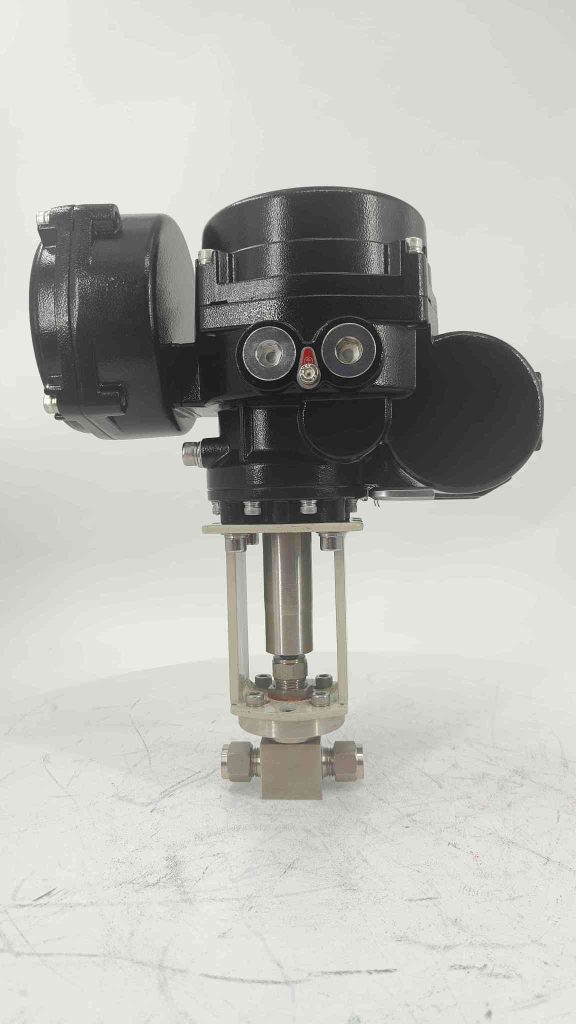
Lithium batteries have revolutionized the energy storage and electronics sectors, powering everything from electric vehicles (EVs) to smartphones and renewable energy storage systems. However, as the demand for these batteries increases, so does the need for enhanced safety mechanisms. One such mechanism is the lithium battery valve, a critical safety feature designed to prevent dangerous scenarios such as overheating, overpressure, and even catastrophic failures. In this article, we will explore the role of lithium battery valves, how they function, and why they are vital for the safety and performance of lithium-ion batteries.
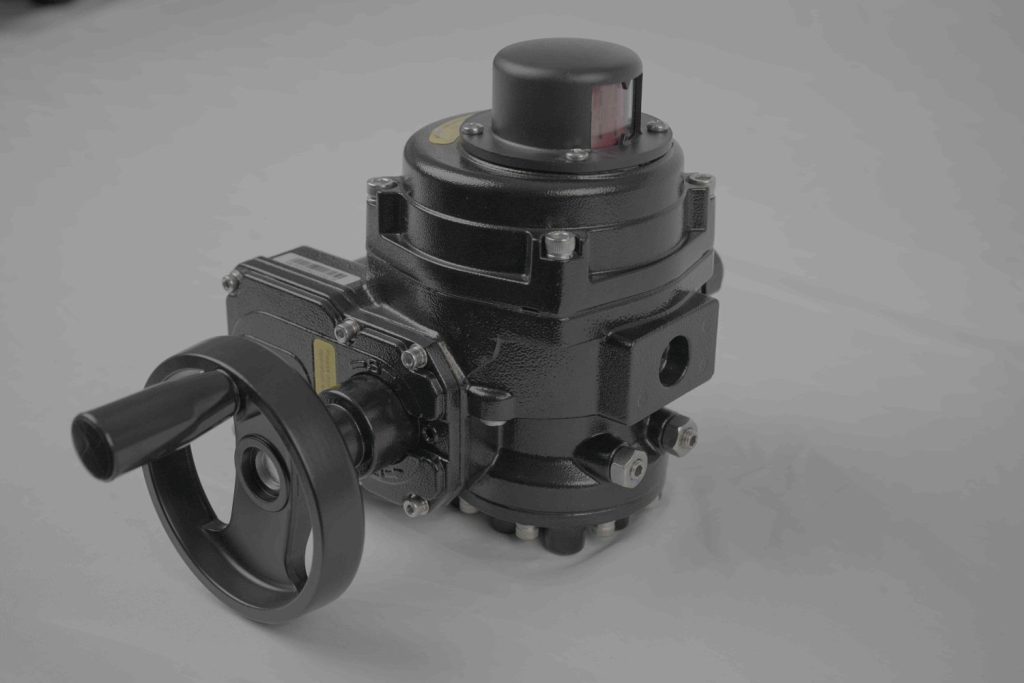
What Is a Lithium Battery Valve?
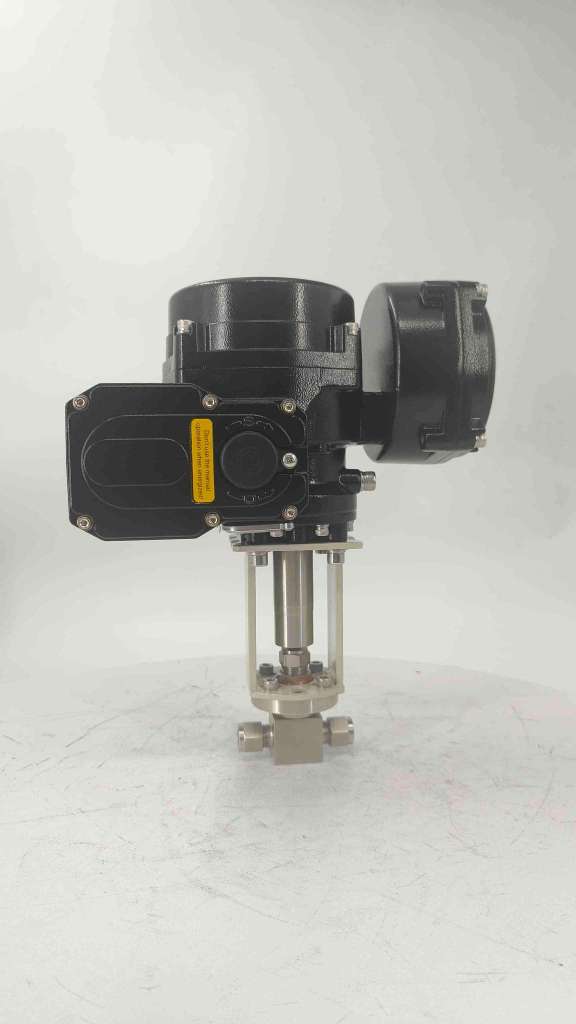
A lithium battery valve is a safety device typically installed in lithium-ion batteries to manage the internal pressure and prevent the battery from experiencing damage or failure under extreme conditions. These valves serve as pressure relief mechanisms that allow gases or fluids to safely escape if the battery’s internal pressure exceeds a certain threshold. This feature is especially important in preventing situations like thermal runaway, which can lead to fires, explosions, or even battery rupture. Lithium battery valves are engineered to open automatically when there is an increase in internal pressure due to various factors, such as overcharging, excessive heat, or an internal short circuit. By releasing pressure in a controlled manner, these valves prevent the battery from bursting or causing hazardous situations, protecting both the device and the surrounding environment.