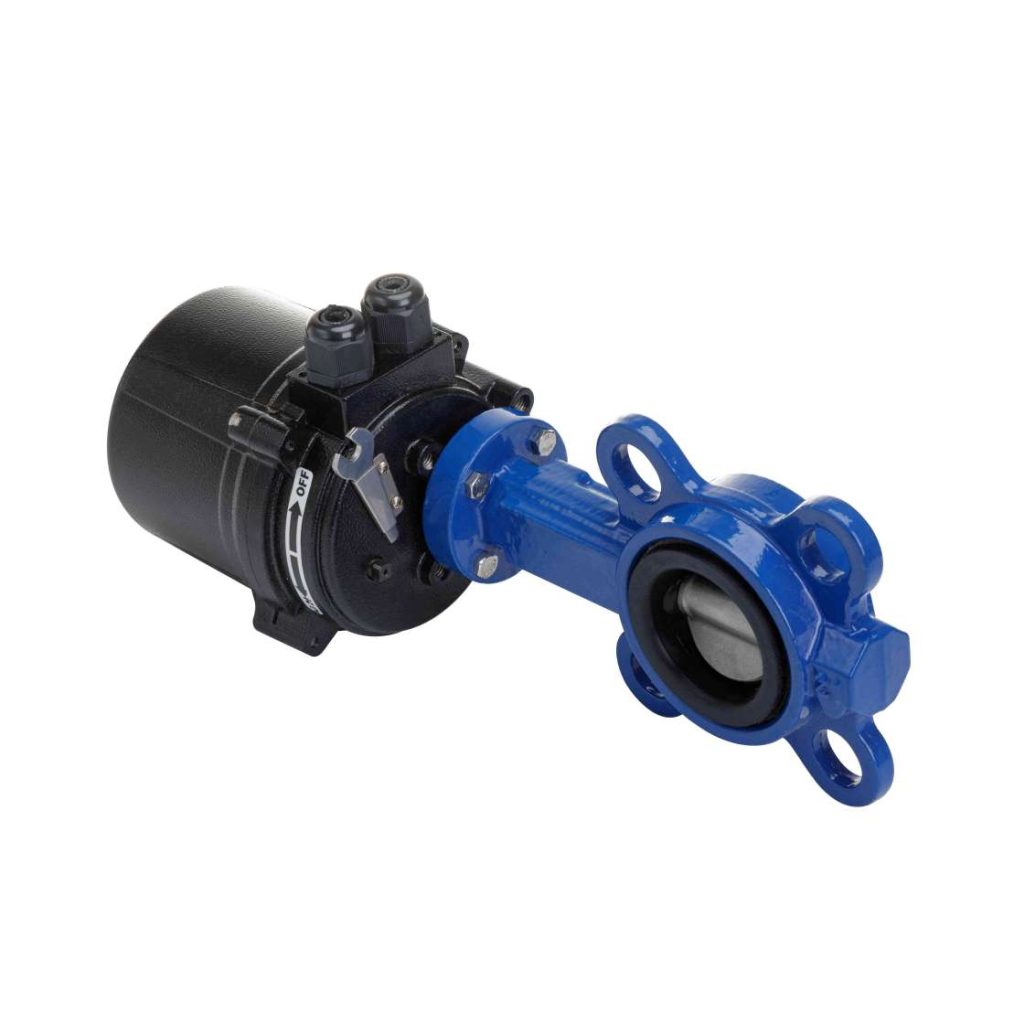
The Electric Butterfly Valve is a widely used component in modern industrial systems, known for its precision and efficiency in regulating the flow of fluids and gases. With its simple design and ease of automation, this valve plays a crucial role in various applications, including water treatment, HVAC systems, oil and gas, and many more. This article explores the functionality, components, benefits, and applications of electric butterfly valves, highlighting their importance in improving control systems across industries.
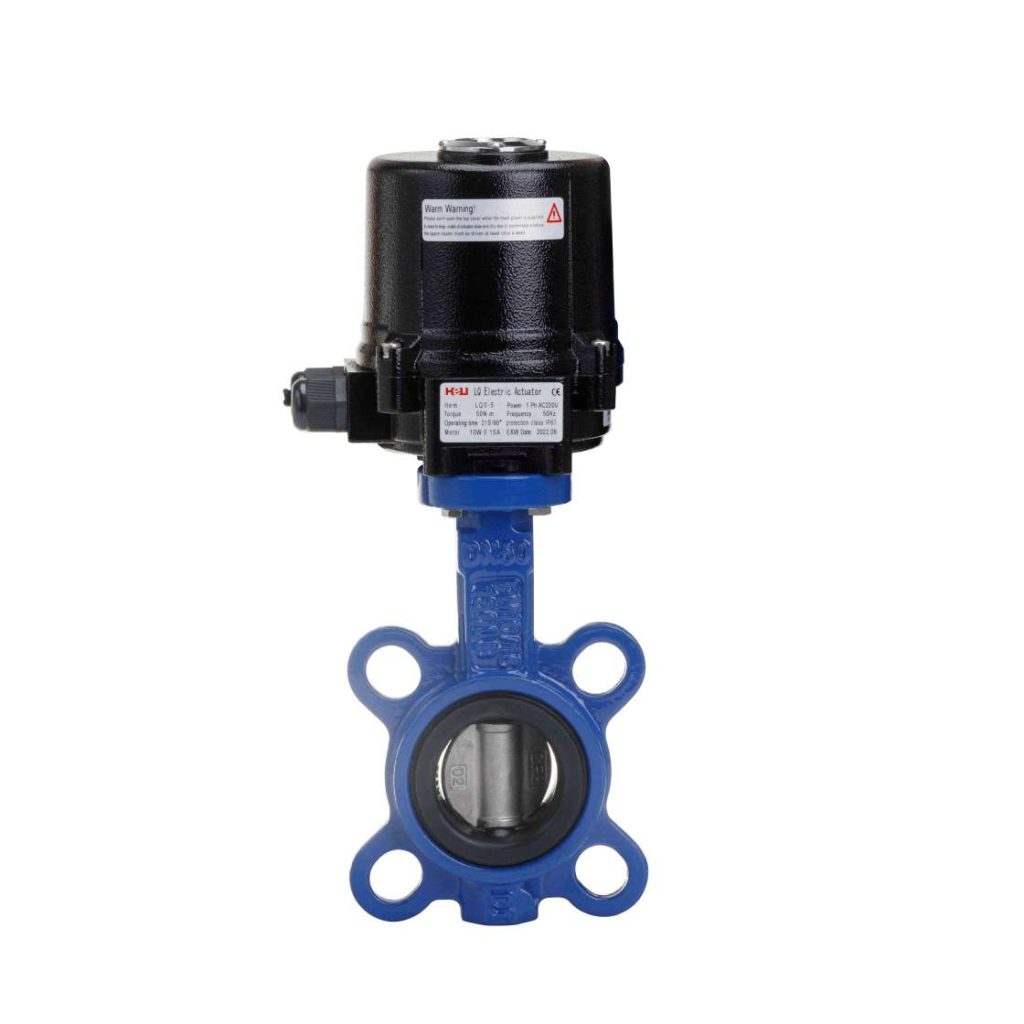
What is an Electric Butterfly Valve?
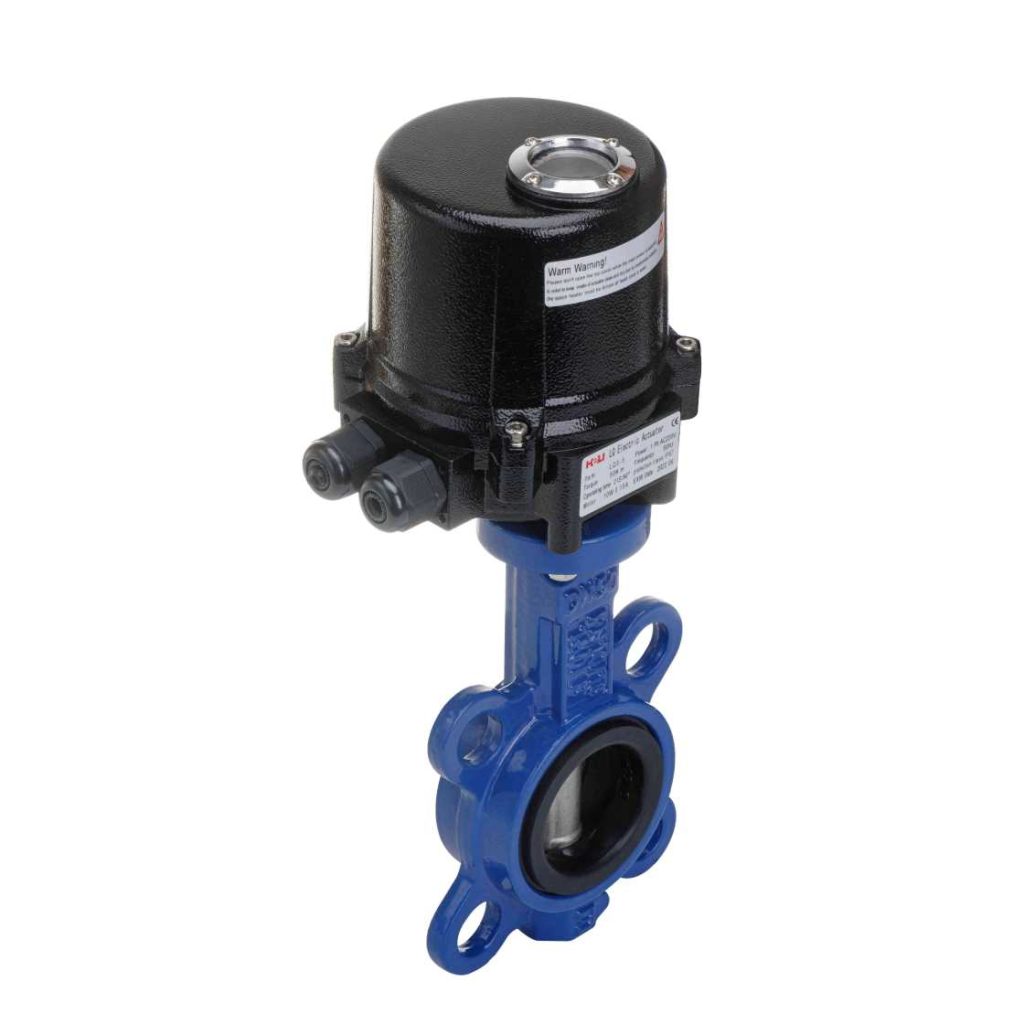
An Electric Butterfly Valve is a type of valve that controls fluid flow by rotating a circular disc or ‘butterfly’ within a pipe. The valve’s main function is to regulate the flow of liquids, gases, or steam. The unique aspect of an electric butterfly valve is its electric actuator that powers the valve’s rotation, providing automated, precise, and controlled operation. Unlike manual valves that require physical effort to operate, electric butterfly valves can be controlled remotely via electrical signals, making them ideal for integration into automated control systems. Components of an Electric Butterfly Valve