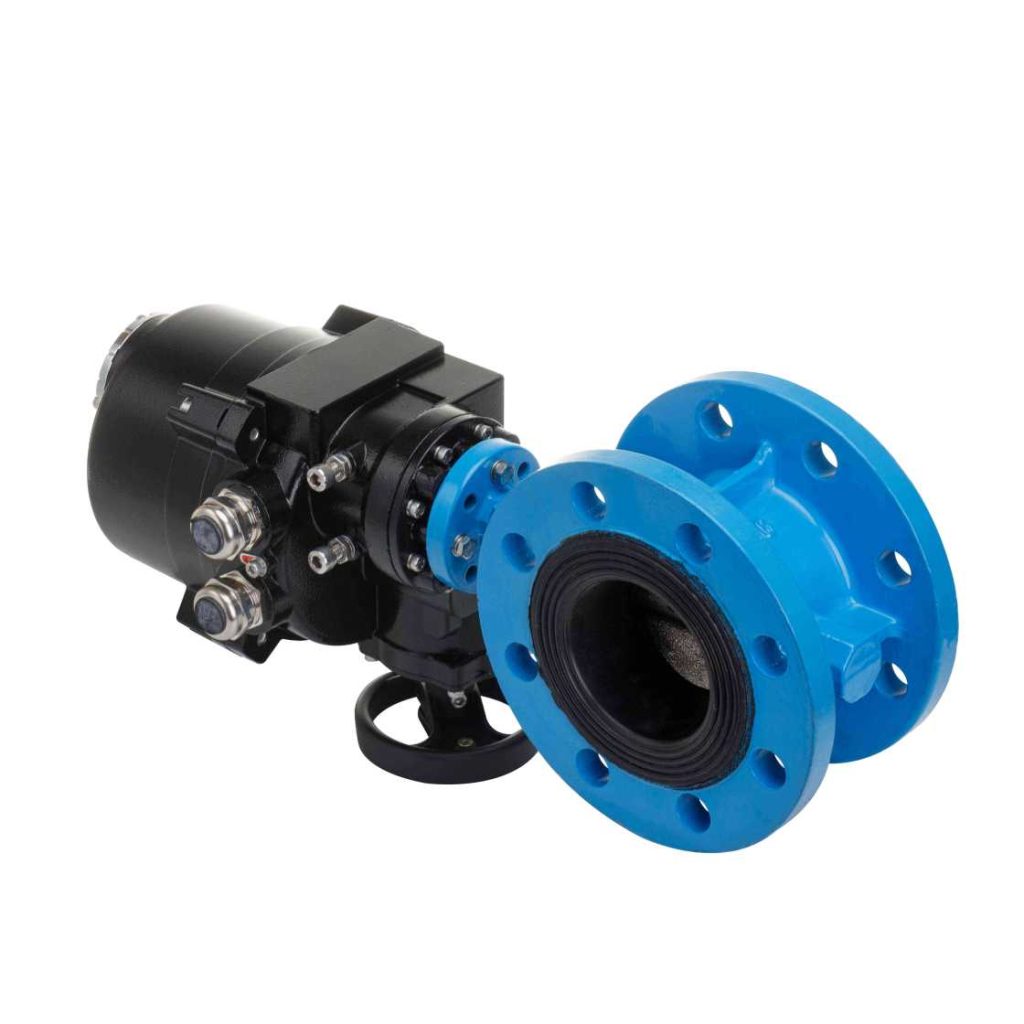
The electric flanged butterfly valve is a critical component in various industrial applications, serving as an efficient means of controlling fluid flow. Known for its unique design and functionality, this valve type offers numerous advantages over traditional valve systems, making it a popular choice in many sectors. This article delves into the workings, applications, and benefits of electric flanged butterfly valves, highlighting their significance in modern fluid management systems.
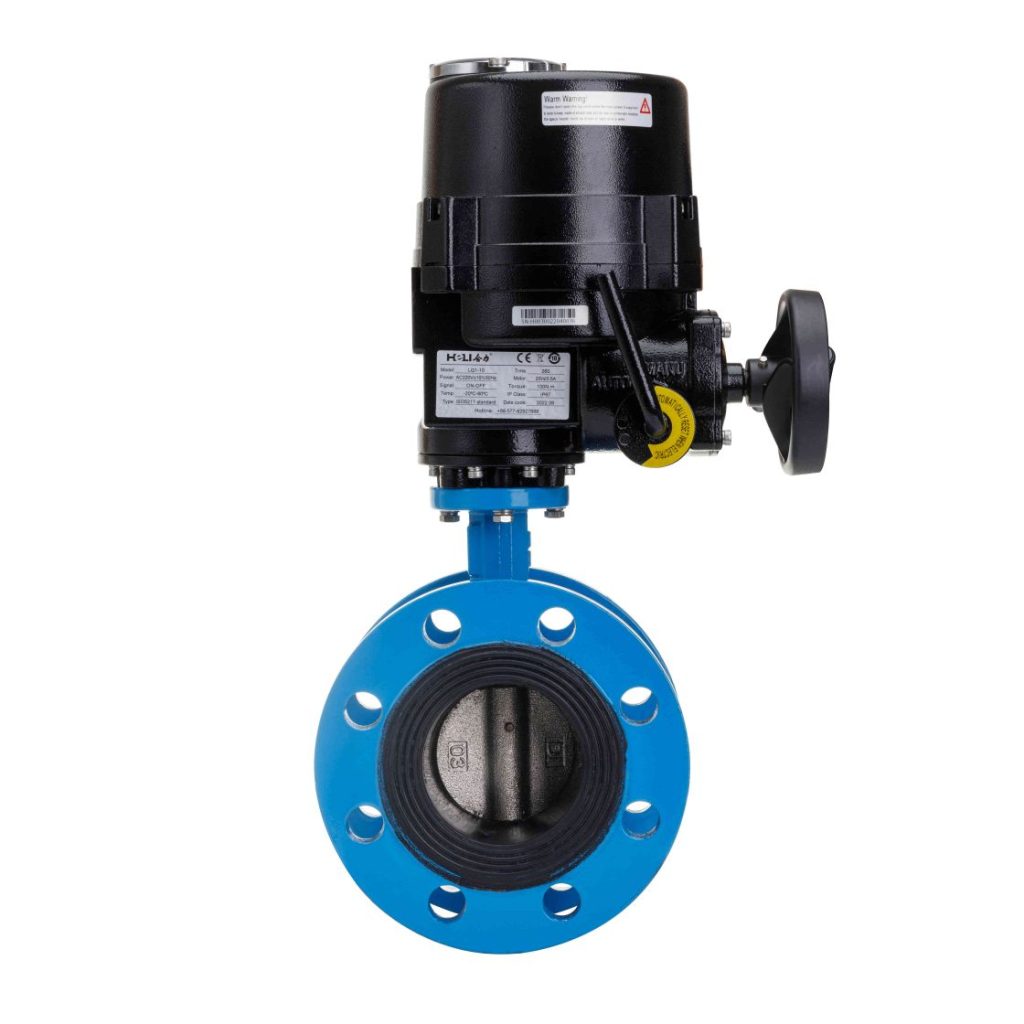
What is an Electric Flanged Butterfly Valve?
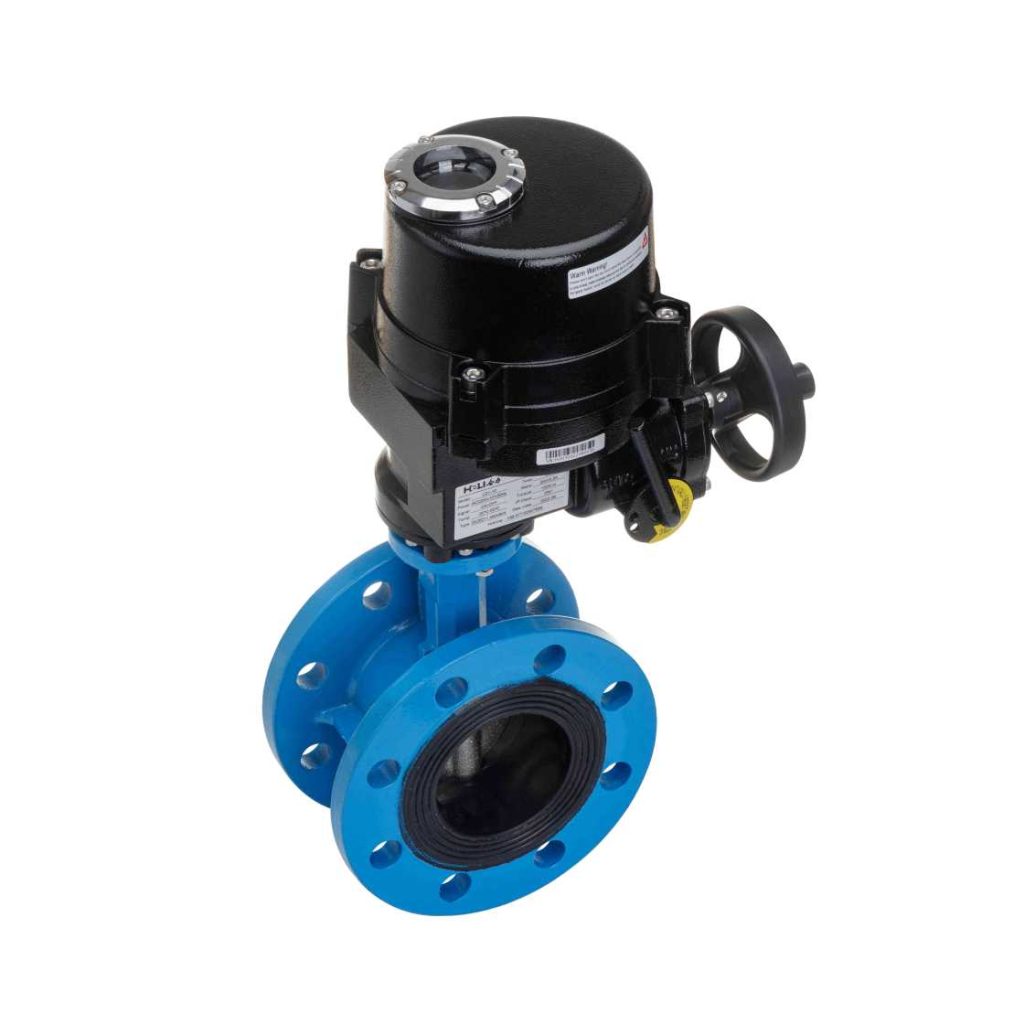
An electric flanged butterfly valve consists of a circular disc or plate that pivots on a shaft within a pipe. When the valve is closed, the disc completely obstructs the flow of fluid; when opened, it allows fluid to pass through with minimal resistance. The term “flanged” refers to the design of the valve’s ends, which feature flanges that allow for easy installation and secure connections to pipes. The electric actuator attached to the valve provides automated control, enabling precise adjustments to fluid flow based on operational requirements. How Does It Work? The electric flanged butterfly valve operates through an electric actuator that controls the position of the disc. When the actuator receives a signal (usually from a control system), it rotates the disc either to the open or closed position. This electrical mechanism allows for remote operation, enhancing the efficiency of fluid management processes. The actuator can be configured for different voltages and control systems, making it versatile for various applications.