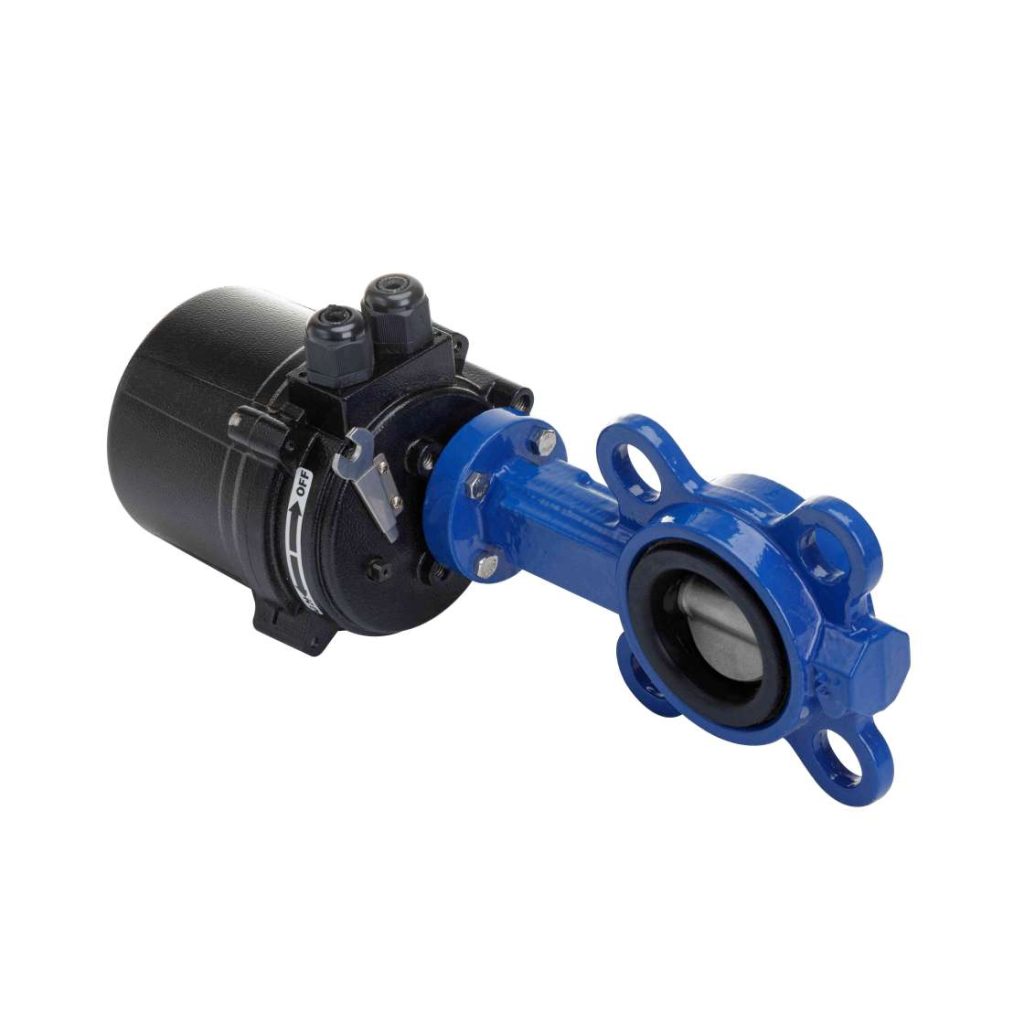
The WCB Electric Butterfly Valve is a key component in modern industrial systems, playing a pivotal role in flow control and regulation across various applications. As industries evolve, the demand for more reliable, efficient, and precise control systems has grown significantly. The WCB Electric Butterfly Valve, with its electric actuator and advanced design, has emerged as a highly favored choice for industries ranging from water treatment and HVAC systems to chemical and oil refining sectors. This article delves into the essential features, advantages, and applications of the WCB Electric Butterfly Valve, highlighting its importance in the world of automated fluid control systems.
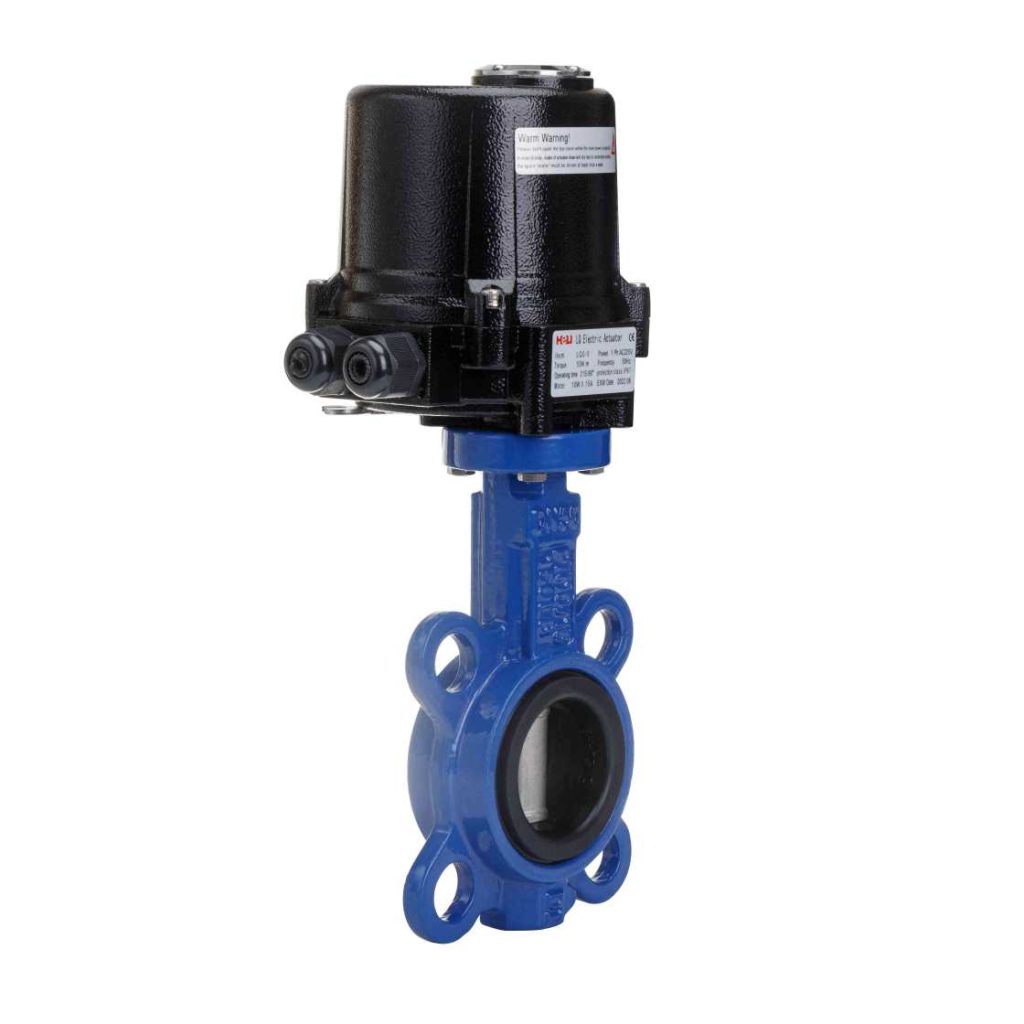
What is a WCB Electric Butterfly Valve?
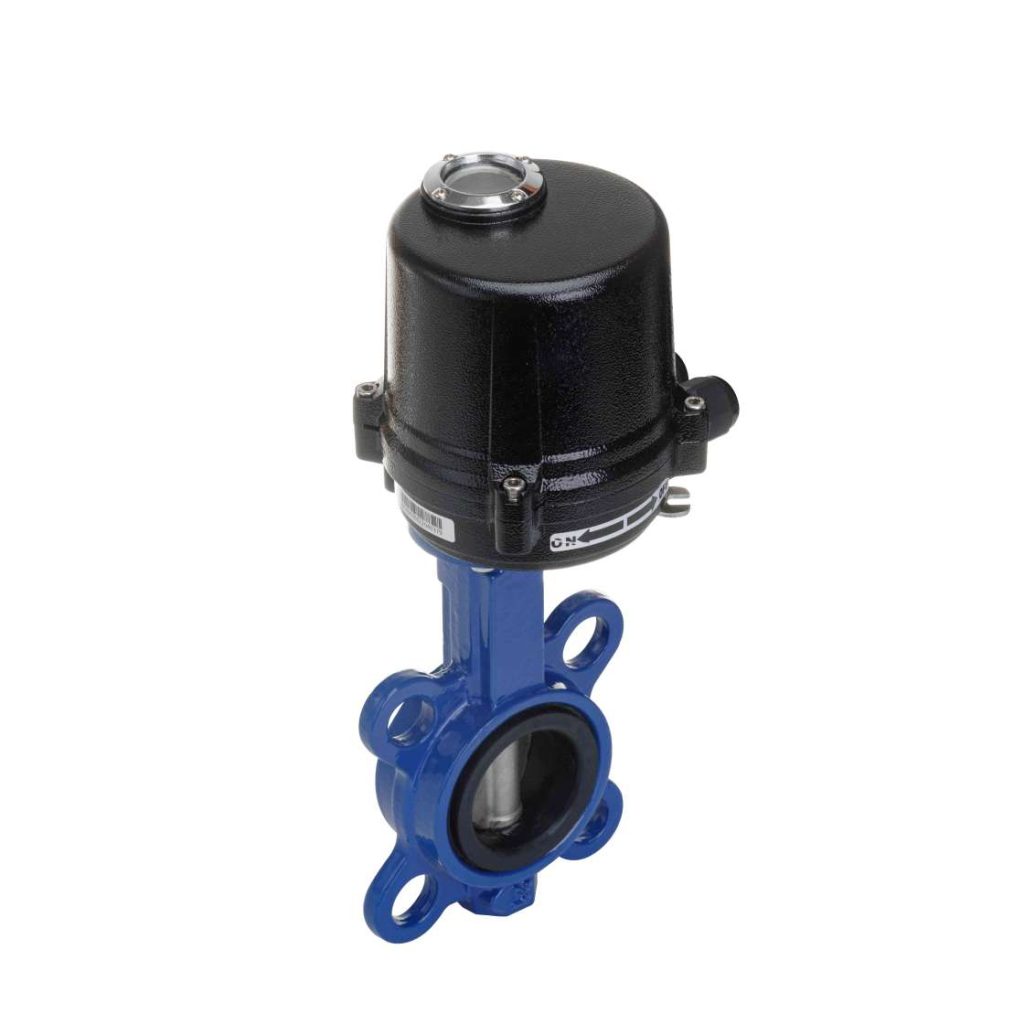
The WCB Electric Butterfly Valve is a type of quarter-turn valve that is commonly used to regulate or isolate the flow of fluids in a pipeline. Its operation is based on a simple design: a circular disc or vane is mounted on a rotating shaft, which is powered by an electric actuator. The valve gets its name from the butterfly-like shape of the disc, which rotates 90 degrees to open or close the valve. When the electric actuator is energized, it rotates the valve’s disc, adjusting the flow rate as required. The term “WCB” refers to the material used for the valve body, which is typically cast from carbon steel (WCB stands for “Wrought Carbon Steel”). This makes the valve suitable for a wide range of applications, offering both strength and resistance to corrosion.