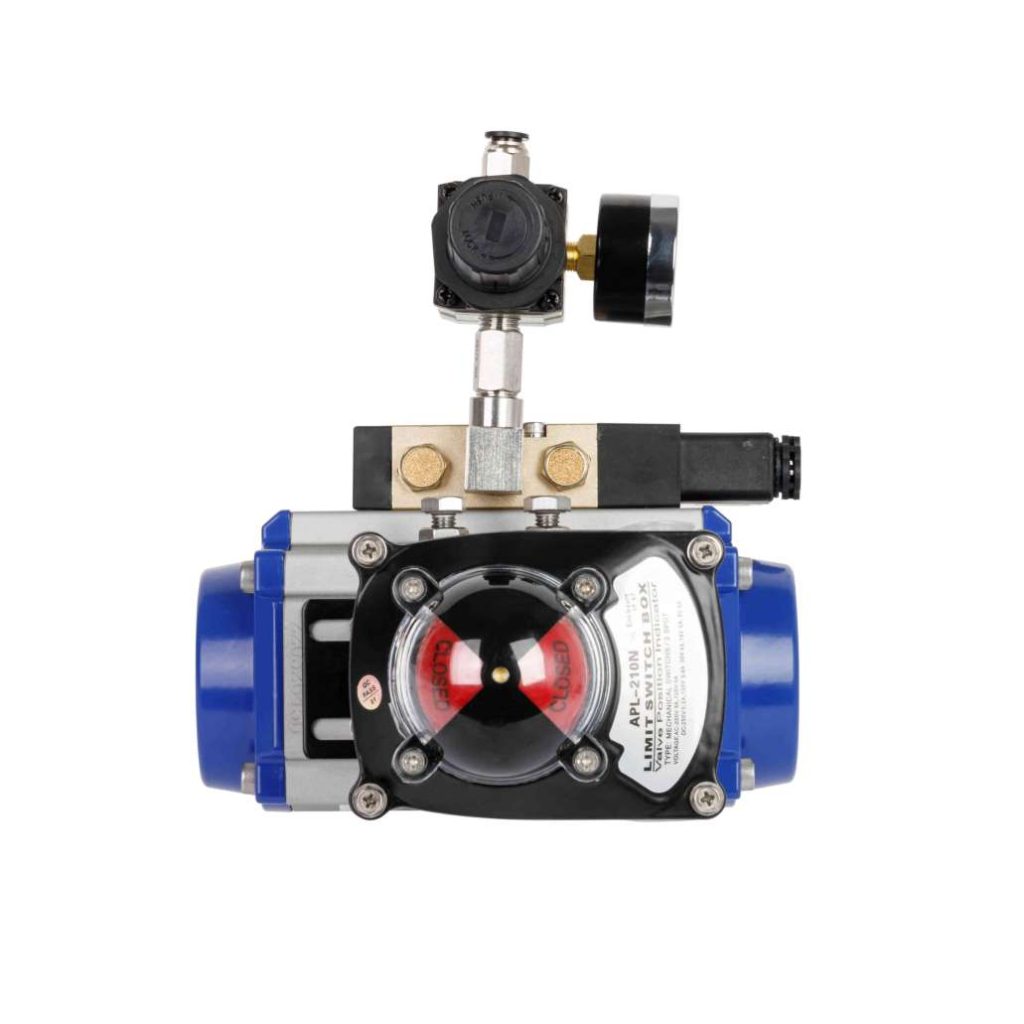
Pneumatic actuators are essential components in various industrial systems, providing motion and force to mechanical systems through the use of compressed air. These actuators play a significant role in numerous applications, from manufacturing and robotics to automation and control systems. This article explores the working principle, applications, benefits, and types of pneumatic actuators, shedding light on why they are so widely used in different industries.
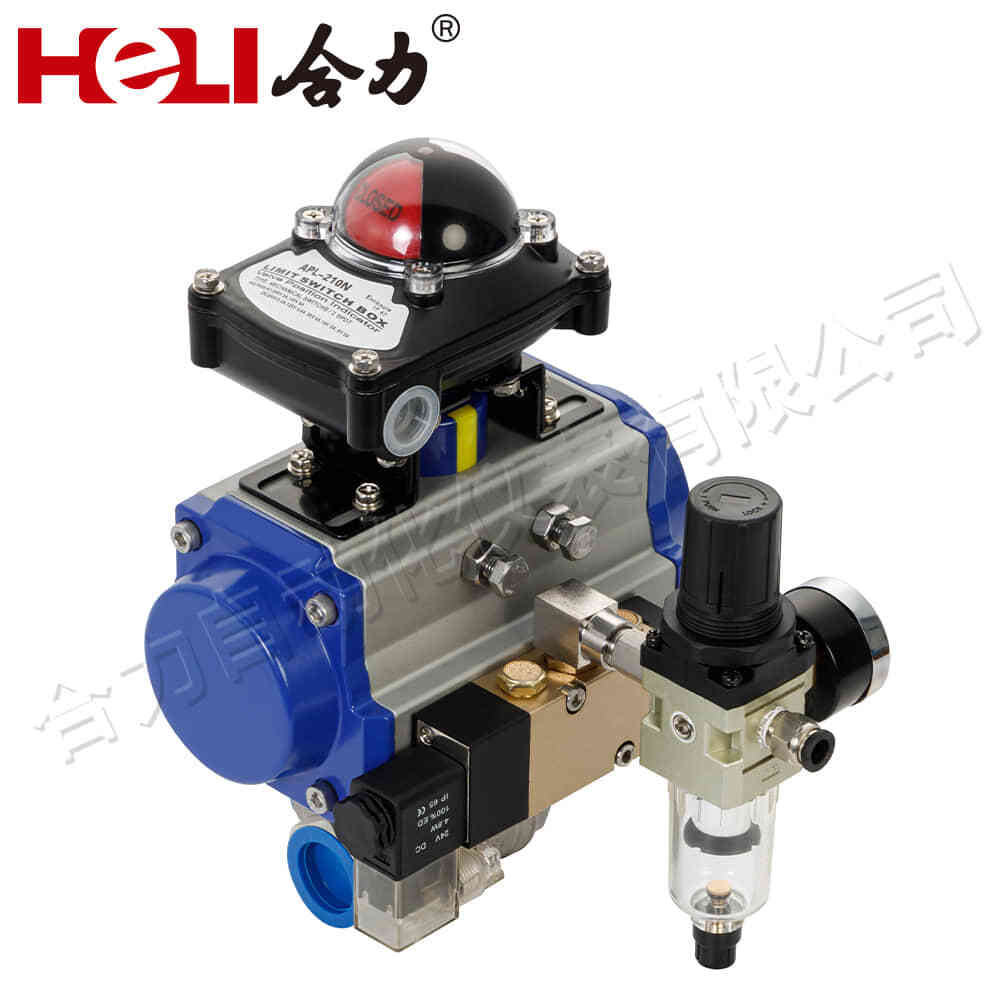
What is a Pneumatic Actuator?
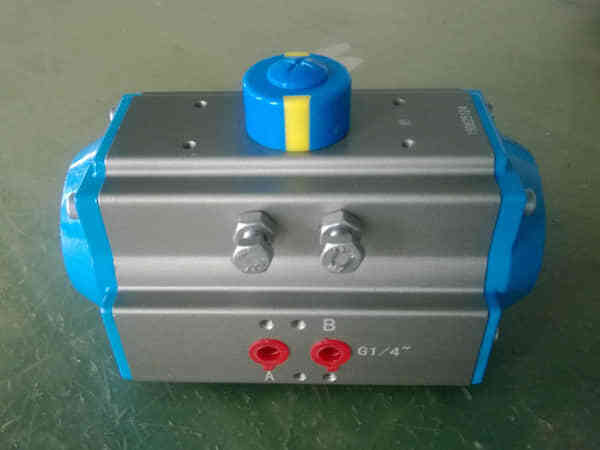
A pneumatic actuator is a mechanical device that uses compressed air to produce linear or rotary motion. Essentially, the actuator converts the energy stored in compressed air into mechanical motion, which can then be used to drive machinery or other equipment. The basic components of a pneumatic actuator include a cylinder, piston, and a set of valves that regulate the flow of air into and out of the cylinder. When air enters the cylinder, it pushes the piston, creating movement that can be harnessed for various purposes. How Does a Pneumatic Actuator Work? The working principle of a pneumatic actuator is based on the pressure exerted by compressed air. When air is supplied to the actuator, it enters the cylinder and acts on the piston. Depending on the direction of airflow, the piston either moves in a linear direction (forward or backward) or rotates (in the case of rotary pneumatic actuators). The movement is typically controlled by valves that regulate the flow of air, ensuring that the actuator performs its intended function in a precise and controlled manner.