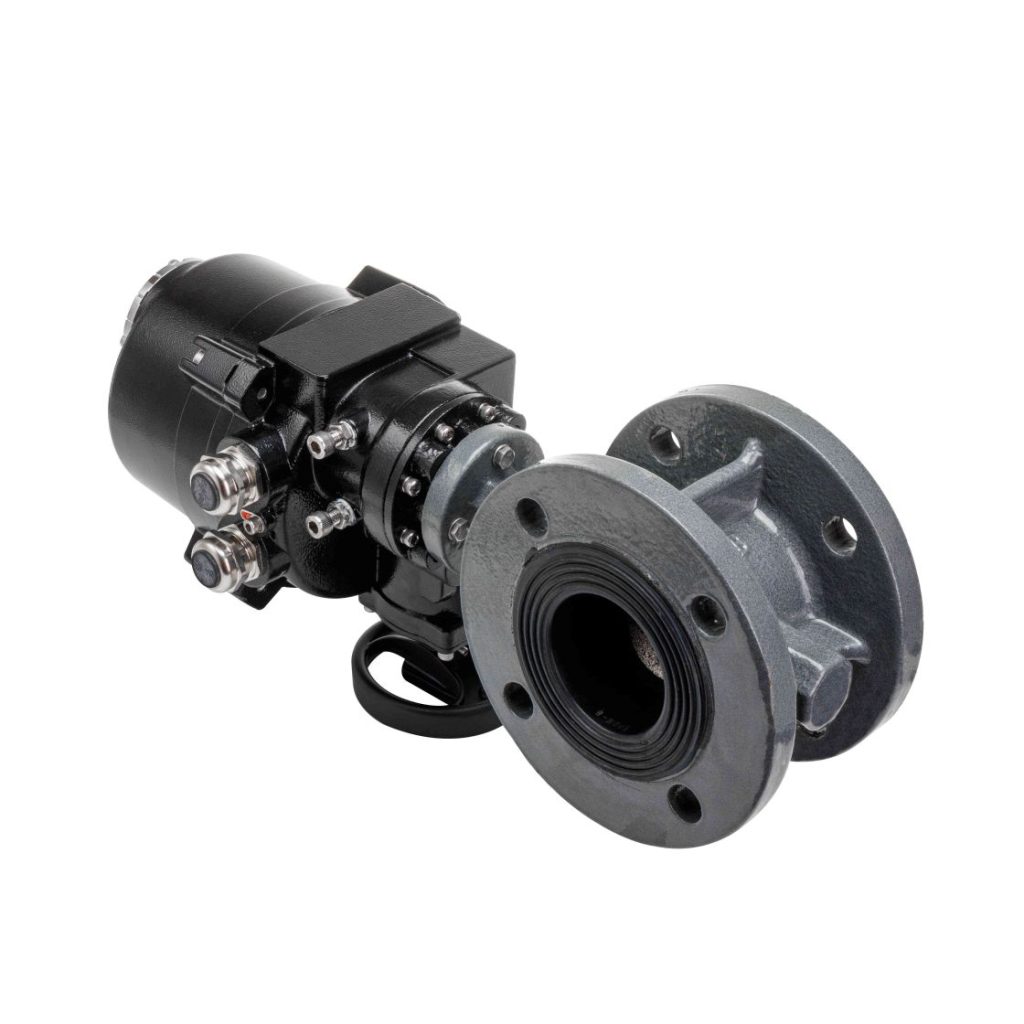
The Stainless Steel Electric Ball Valve is a critical component in many modern industrial systems, offering reliable control of fluid flow in a wide range of applications. This valve combines the durability of stainless steel with the precise control of an electric actuator, making it ideal for demanding environments where corrosion resistance, high temperature tolerance, and automated operation are required. In this article, we explore the features, applications, and benefits of stainless steel electric ball valves, shedding light on their essential role in industrial automation.
1. Introduction to Stainless Steel Electric Ball Valve
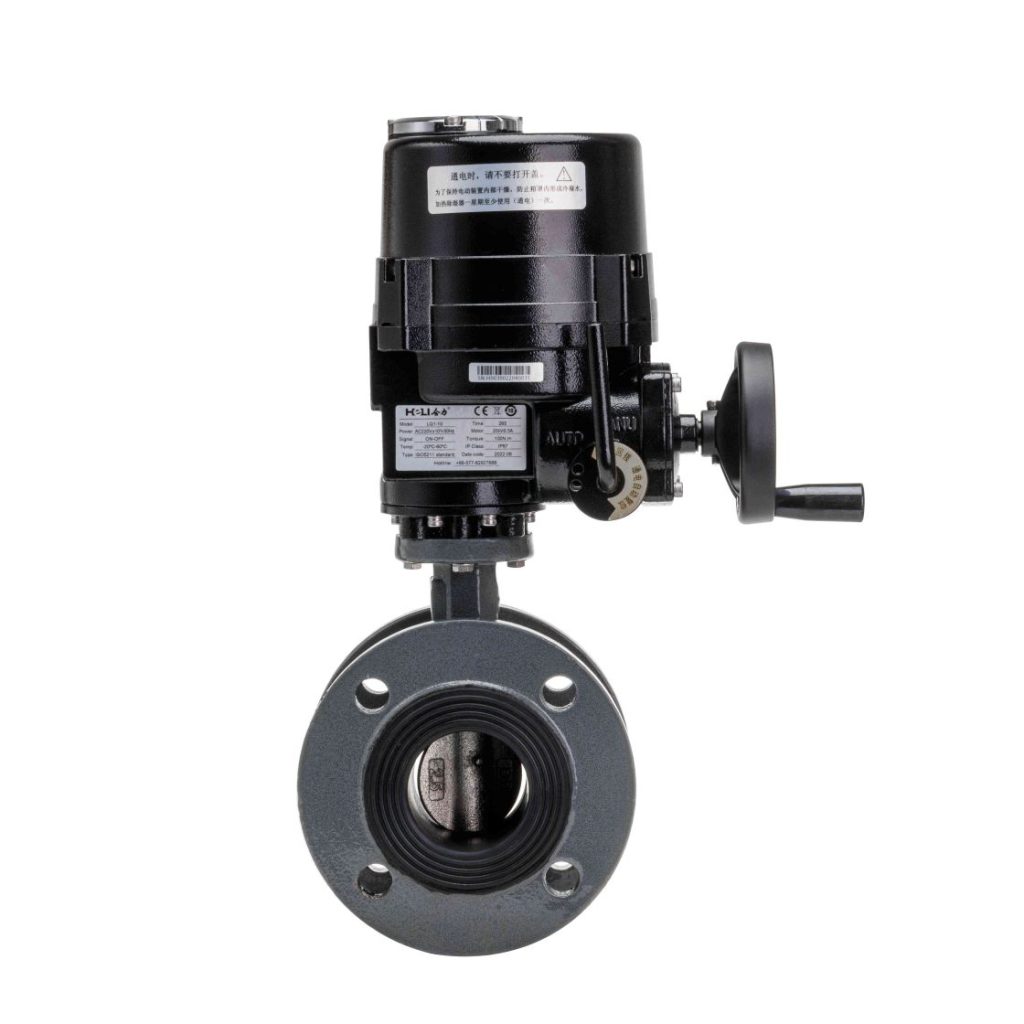
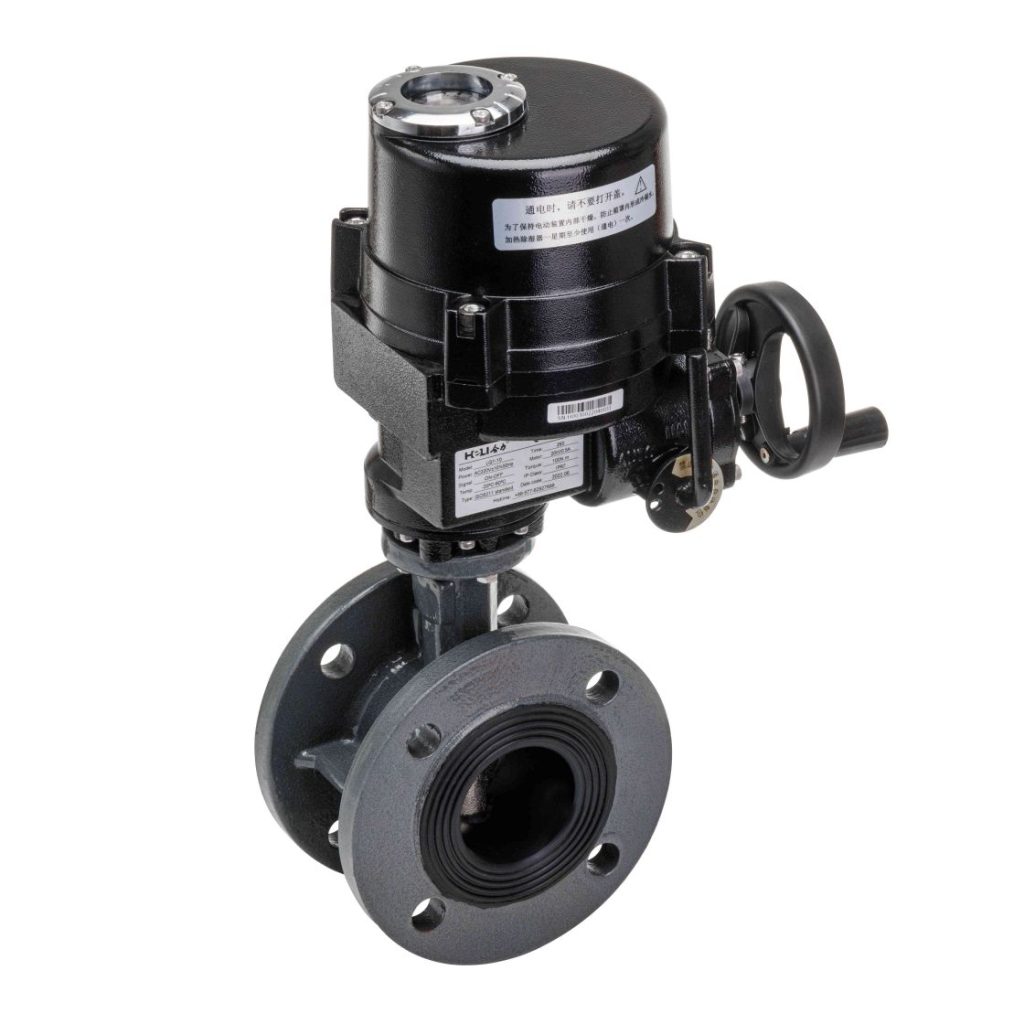
A stainless steel electric ball valve is a type of valve that uses a stainless steel body and a motorized actuator to control the flow of liquids, gases, or steam. It consists of three primary components: the valve body (typically made from corrosion-resistant stainless steel), the ball mechanism (which has a hole through the center that regulates flow), and the electric actuator that controls the valve’s opening and closing based on an electrical signal. This design allows for a highly efficient and durable valve that can function in various applications, from chemical processing to water treatment and beyond.