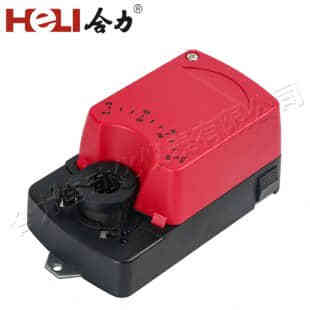
Damper actuators play a crucial role in regulating airflow within HVAC (Heating, Ventilation, and Air Conditioning) systems. These components are responsible for controlling the position of dampers, which in turn manage the flow of air through ducts, ensuring proper ventilation, temperature regulation, and air quality control. By understanding the functionality and application of damper actuators, engineers and facility managers can optimize HVAC systems to improve efficiency and comfort. This article explores the working principles, types, and importance of damper actuators in modern building systems.
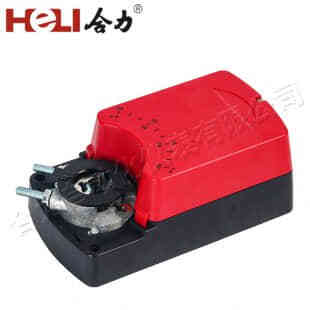
What is a Damper Actuator?
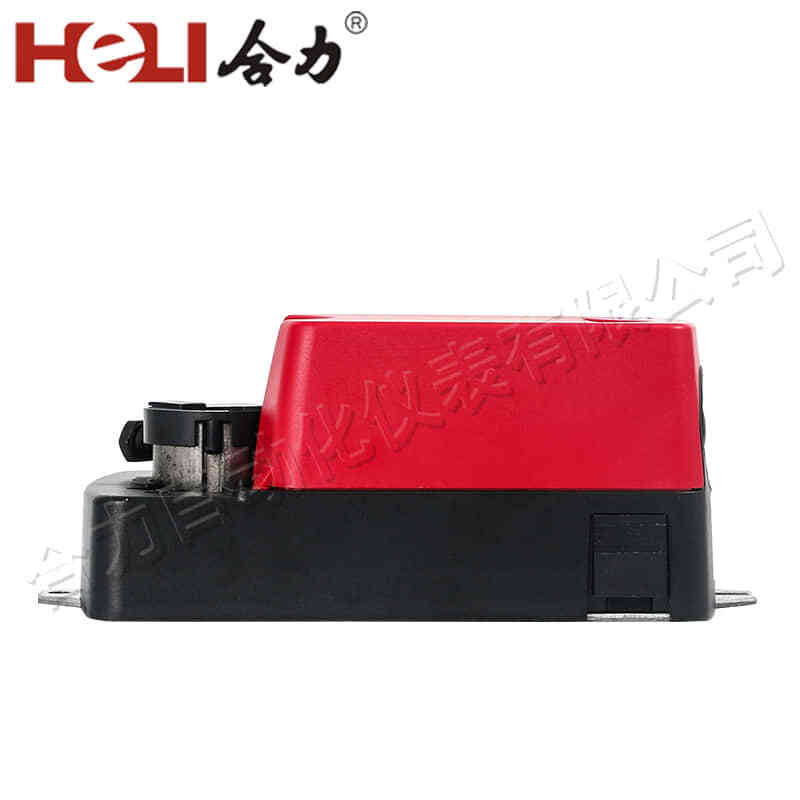
A damper actuator is a mechanical device that drives the movement of a damper, which is typically a metal or plastic plate inside a duct or ventilation system. The actuator’s job is to adjust the damper’s position, allowing it to open or close depending on the required airflow. This process helps to regulate air distribution, maintain desired temperatures, and manage energy consumption. Damper actuators are integrated with sensors, controllers, and control systems to maintain a consistent environment inside buildings. They can be adjusted manually or automatically via control signals, such as voltage, current, or digital signals, making them versatile components in automated HVAC systems.