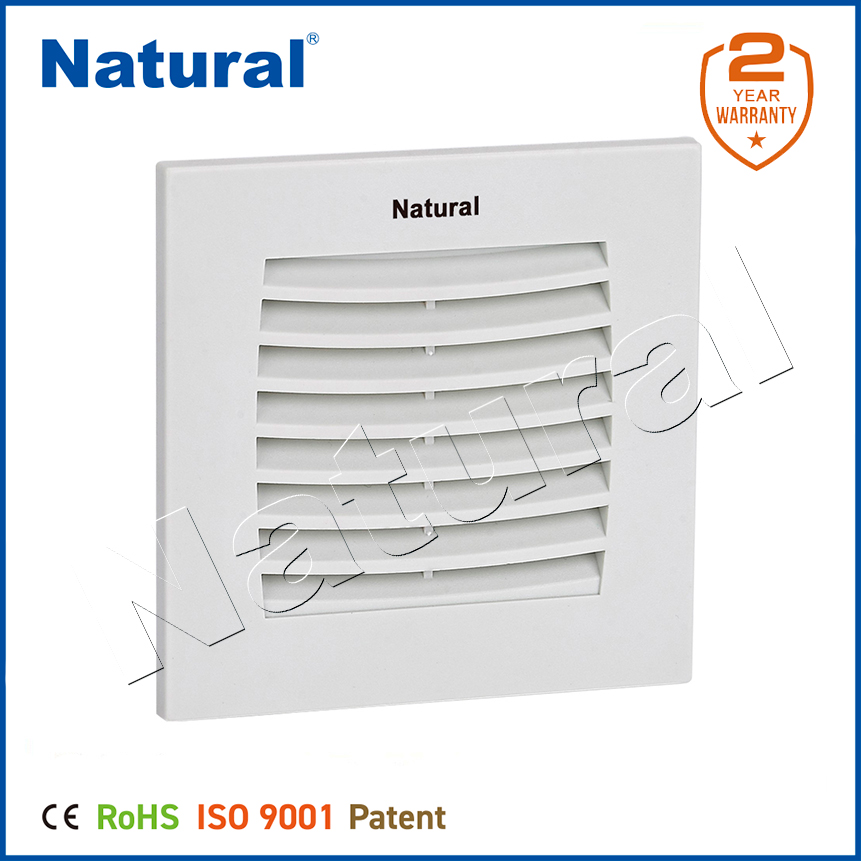
In various industrial, pharmaceutical, and laboratory environments, maintaining air quality is not just a necessity; it is critical to ensure safety, productivity, and compliance with health regulations. One of the most effective solutions to achieve this is through the use of fan filter exhaust systems. These systems combine the power of ventilation with advanced filtration technology to provide clean, contaminant-free air for sensitive environments. In this article, we explore the components, working principles, applications, and benefits of fan filter exhaust systems.
What is a Fan Filter Exhaust System?
A fan filter exhaust system is an integrated air purification and ventilation device designed to expel contaminated air from a controlled environment while simultaneously filtering out harmful particles and gases. These systems are composed of several key components: a fan, filters, and a network of ducts or vents. The fan is responsible for drawing air out of the environment, while the filter captures particulate matter, airborne pathogens, and gases. The clean air is then released into the external environment, preventing contamination or pollution from spreading. Components and Working Principles