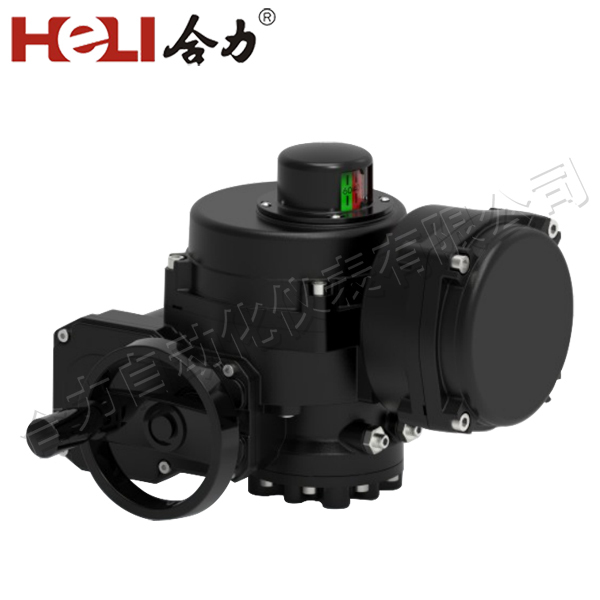
Lithium battery electric actuators are rapidly gaining popularity across a wide range of industries, providing a highly efficient and reliable solution for various automation and control systems. By combining the high energy density of lithium batteries with the precision and flexibility of electric actuators, these systems offer a robust alternative to traditional power sources, especially in environments where conventional wiring or power supplies are impractical. This article delves into the functionality, advantages, applications, and challenges of lithium battery electric actuators, highlighting why they are becoming a key player in modern automation technology.
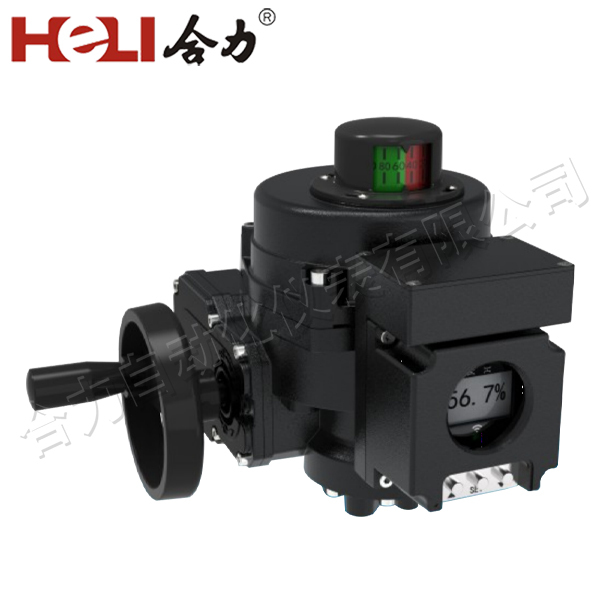
What Are Lithium Battery Electric Actuators?
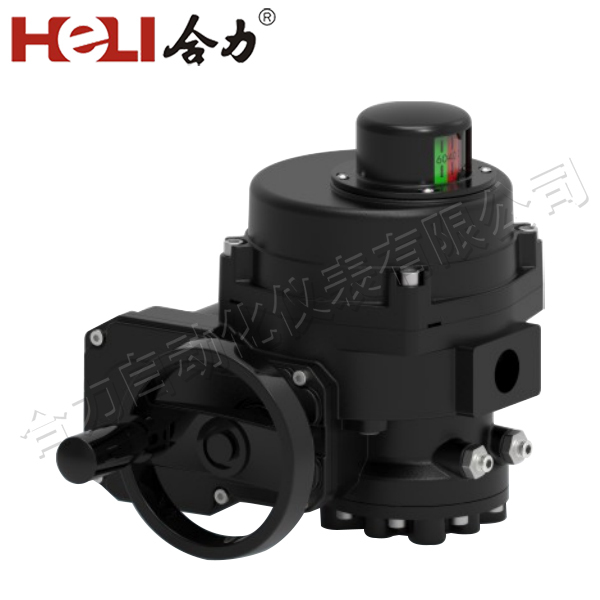
At its core, a lithium battery electric actuator is a device that uses an electric motor, powered by a lithium-ion battery, to perform mechanical tasks such as opening or closing a valve, adjusting a robotic arm, or positioning other movable components in industrial or consumer applications. The electric motor converts electrical energy from the battery into mechanical motion, which is then transmitted to the actuator’s output. These actuators are typically equipped with sensors and control systems, allowing for precise motion control and integration into broader automation networks. The key advantage of using lithium batteries as the power source is their high energy density and long lifespan, making them ideal for applications requiring long-term, reliable operation in remote or mobile environments.