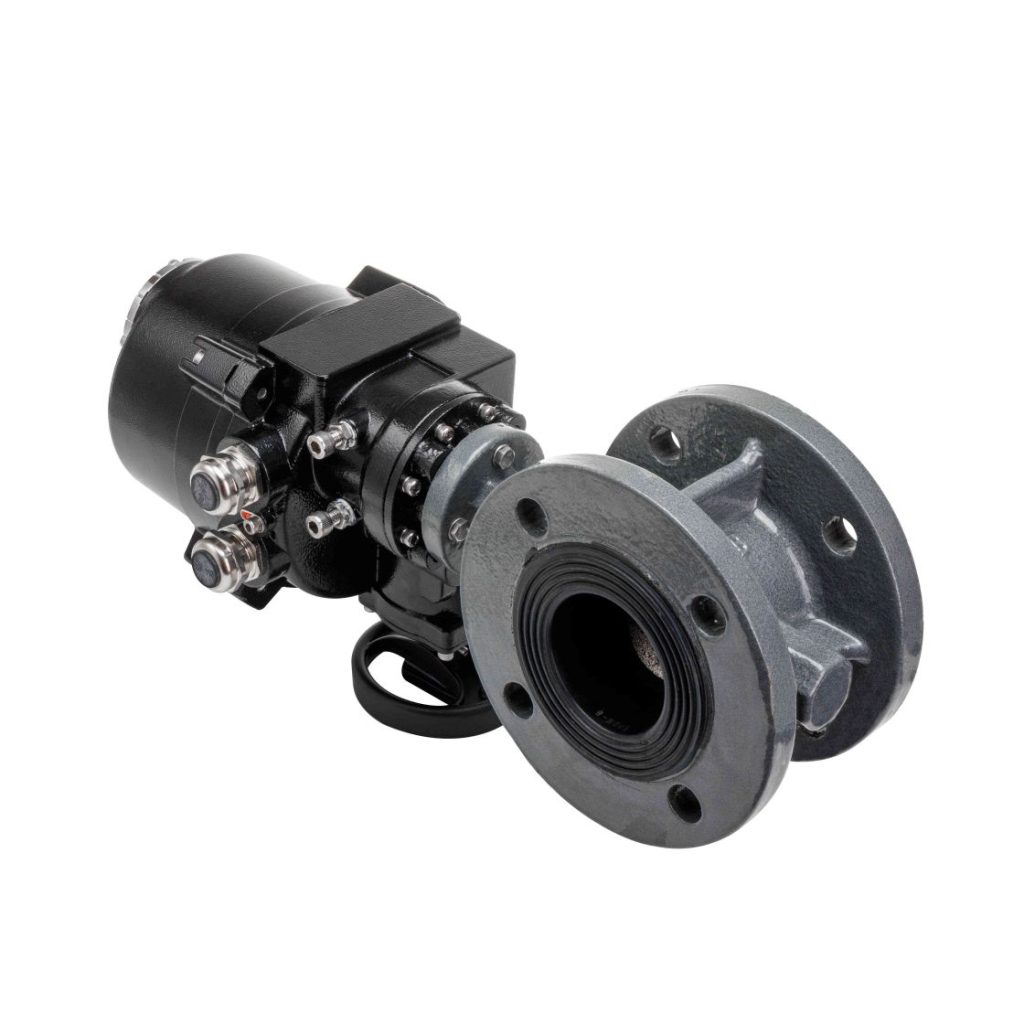
The Stainless Steel Electric Ball Valve is an essential component in modern fluid control systems, offering a combination of durability, precision, and automation. With a wide range of industrial applications, these valves are designed to regulate the flow of liquids, gases, and other media, often in harsh environments. This article will explore the key features, advantages, applications, and benefits of stainless steel electric ball valves, highlighting their importance in various industries.
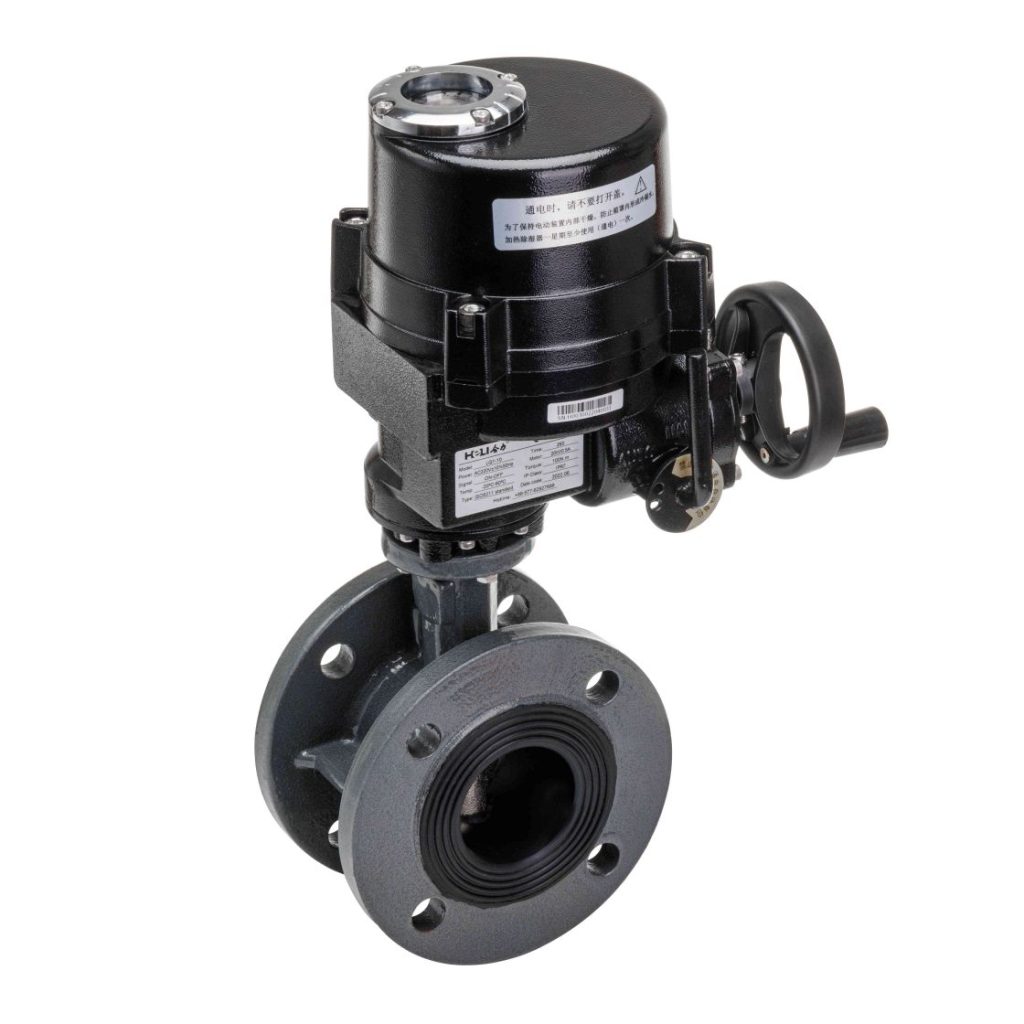
Key Features of Stainless Steel Electric Ball Valves
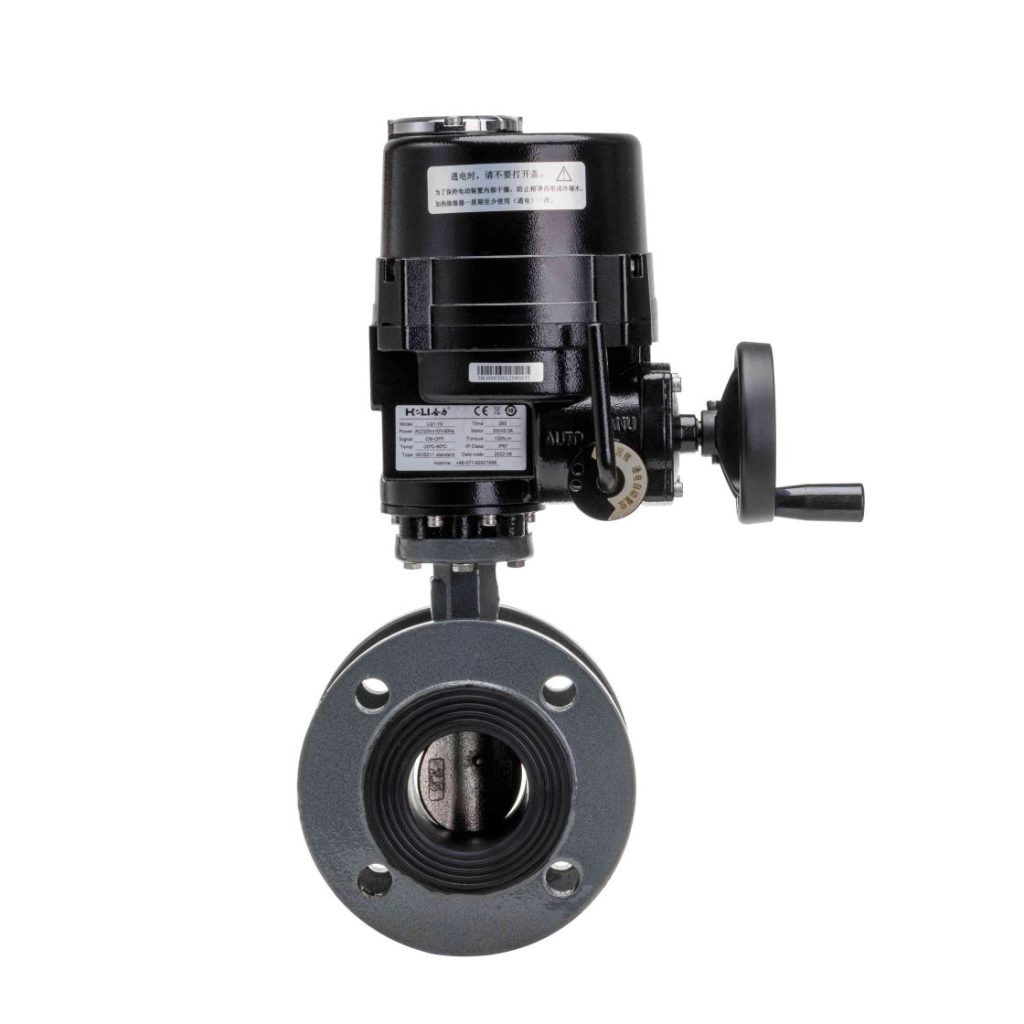
At the heart of the stainless steel electric ball valve lies its durable construction. The valve body is typically made from high-quality stainless steel alloys, such as 304 or 316, which provide excellent resistance to corrosion, high temperatures, and harsh chemicals. The ball inside the valve has a hole that aligns with the flow path when the valve is open, allowing media to pass through. When the valve closes, the ball rotates 90 degrees to block the flow completely, providing a tight seal. The electric actuator is the other crucial component of the stainless steel electric ball valve. It consists of an electric motor and a mechanism to rotate the ball inside the valve. This actuator can be controlled remotely using electrical signals, making it an ideal solution for automated systems. Additionally, electric actuators allow for precise control over the valve’s position, offering a level of accuracy and convenience that is difficult to achieve with manual valves.