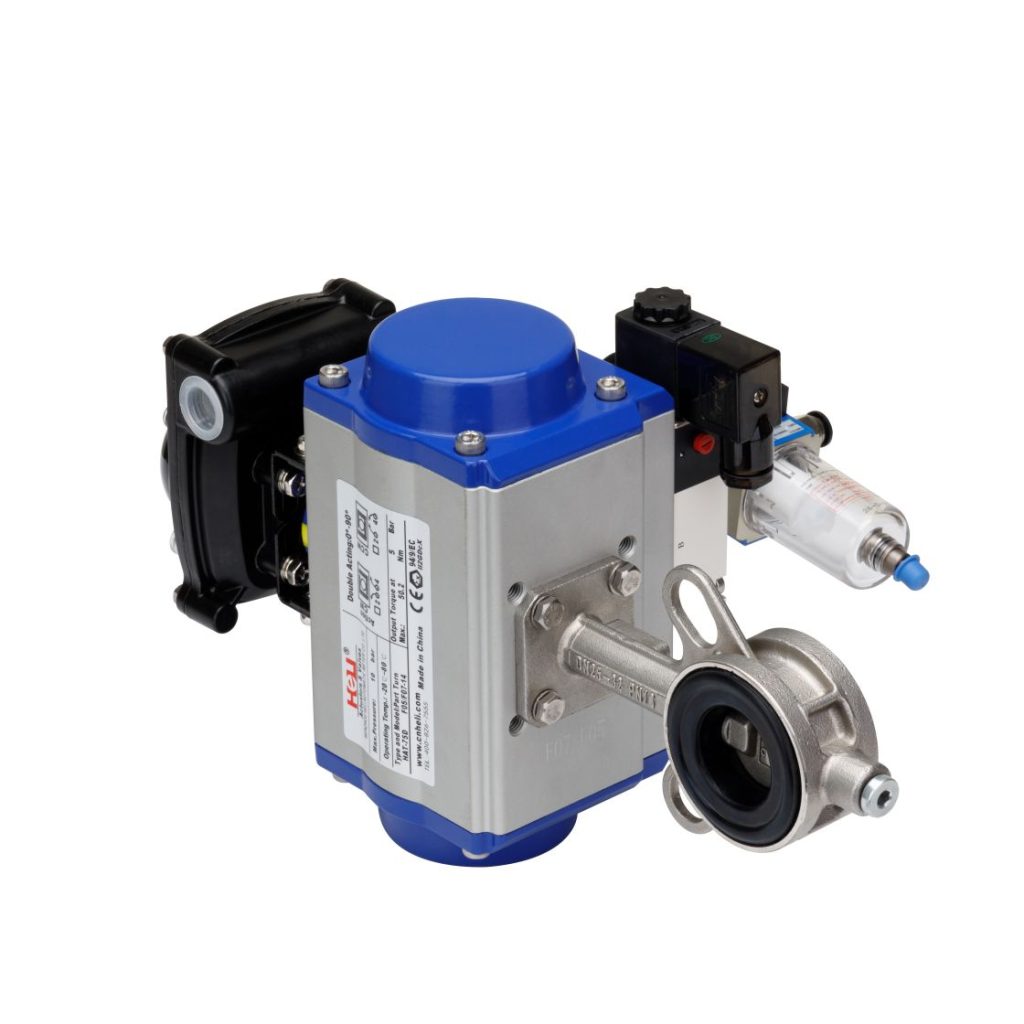
As the world transitions towards more sustainable energy sources, hydrogen energy has emerged as a promising solution for achieving carbon neutrality. Among the various components that facilitate the effective use of hydrogen energy, pneumatic butterfly valves play a crucial role in regulating and controlling the flow of hydrogen gas in various applications. This article explores the significance of hydrogen energy pneumatic butterfly valves, their working mechanism, advantages, and their impact on the hydrogen economy.
Understanding Hydrogen Energy
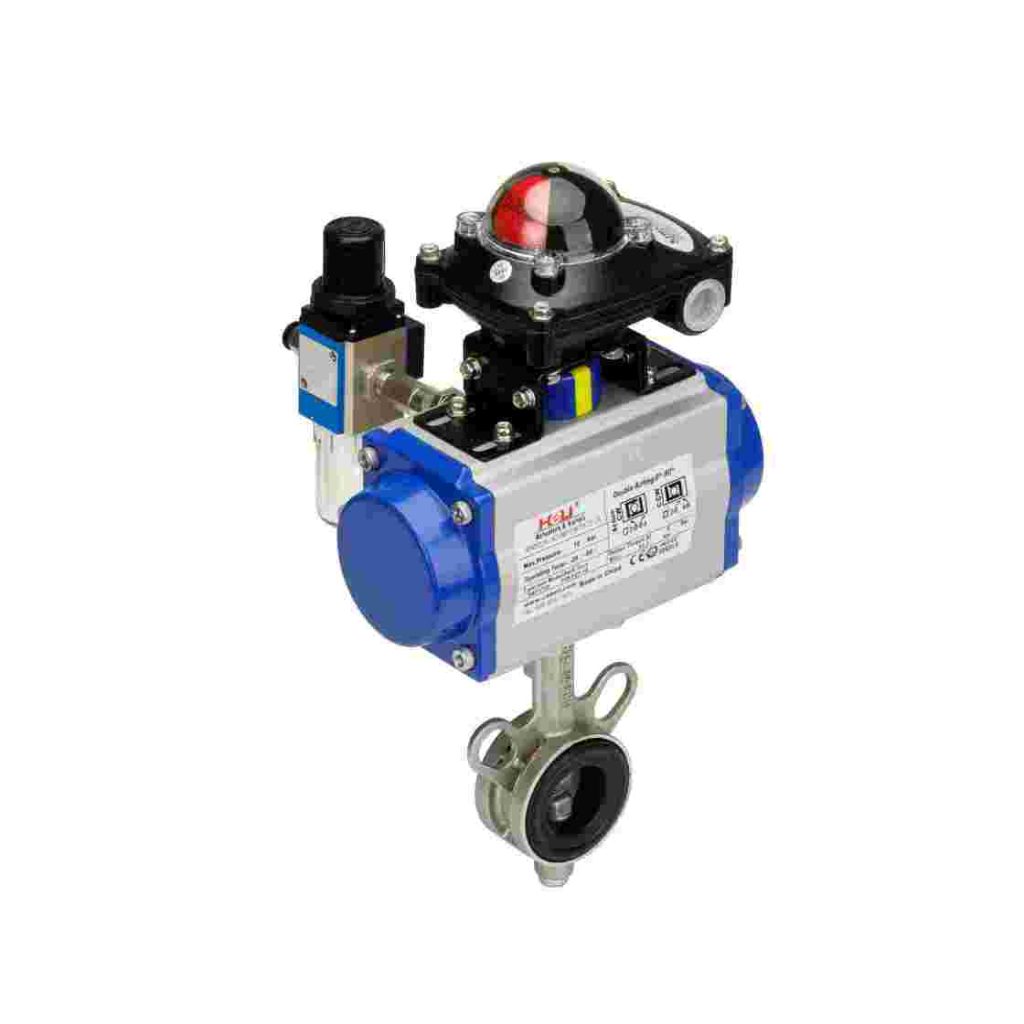
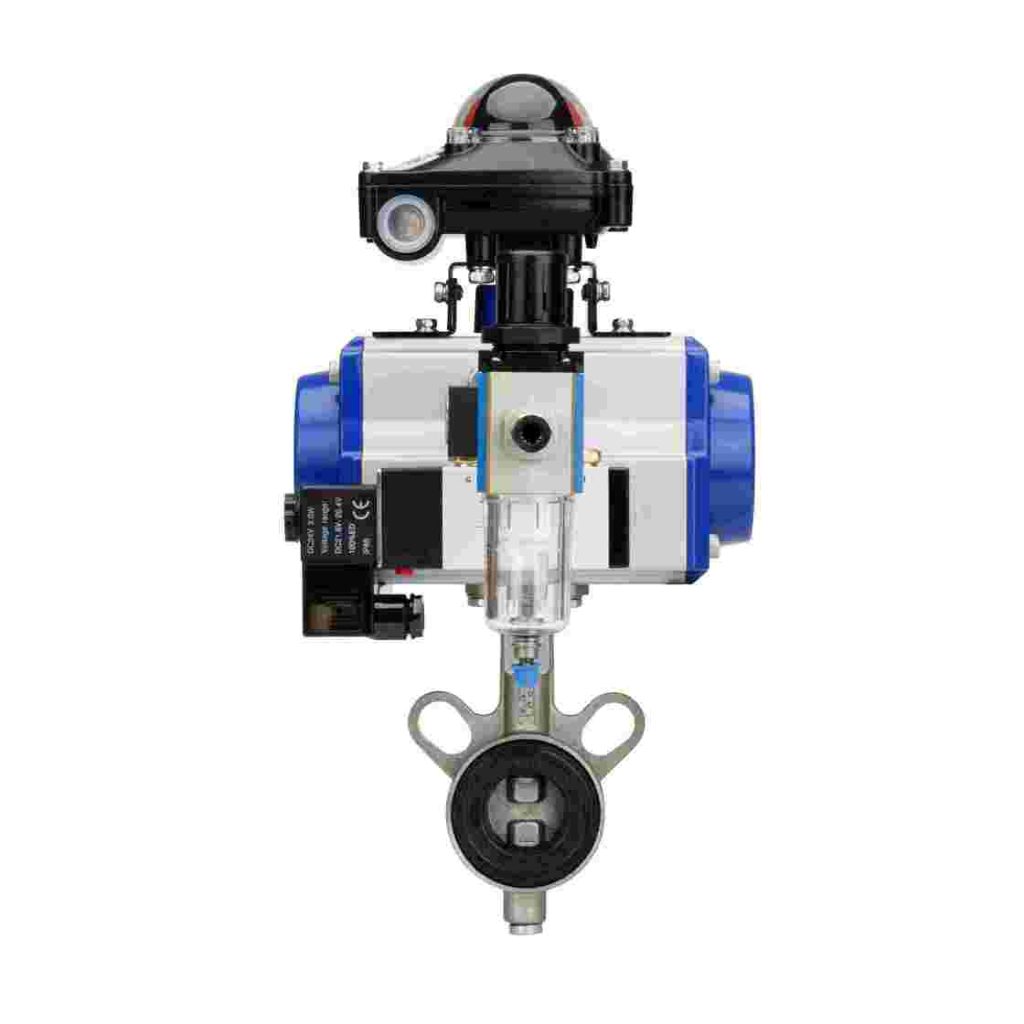
Hydrogen energy is recognized for its potential as a clean energy carrier, primarily because it produces water vapor when burned or used in fuel cells, eliminating harmful emissions. The process of hydrogen production can occur through various methods, including electrolysis of water, steam methane reforming, and gasification of biomass. As the production and utilization of hydrogen grow, the need for efficient, reliable, and safe infrastructure becomes paramount. The Importance of Pneumatic Butterfly Valves Pneumatic butterfly valves are essential components in the hydrogen energy sector, particularly in controlling the flow of hydrogen gas in pipelines, storage systems, and fuel cell applications. These valves consist of a circular disc (the butterfly) that rotates within a pipe to either allow or restrict the flow of fluid. When the valve is fully opened, the disc is parallel to the flow, minimizing resistance and pressure loss. Conversely, when the valve is closed, the disc is perpendicular to the flow, completely blocking it.