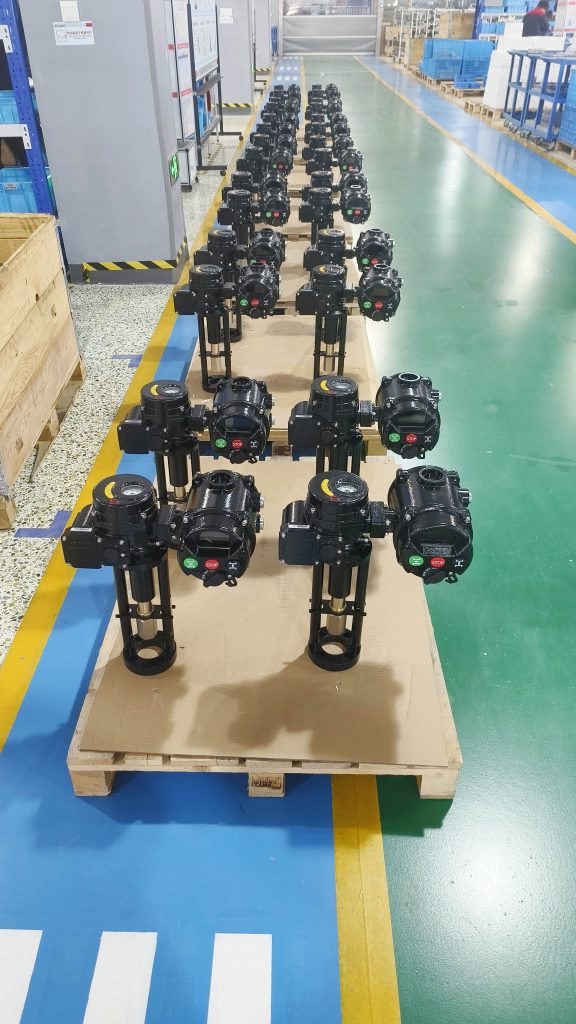
The evolution of automation technology has introduced numerous innovations aimed at improving efficiency, precision, and system integration. One of the most significant advancements in this field is the Intelligent Integrated Actuator (IIA). These actuators represent a major shift from traditional systems by integrating sensors, controllers, and actuators into a single compact unit. This integration offers a variety of benefits, including improved performance, reduced space requirements, and enhanced system reliability. This article explores the components, advantages, and applications of intelligent integrated actuators in modern automation systems.
What is an Intelligent Integrated Actuator?
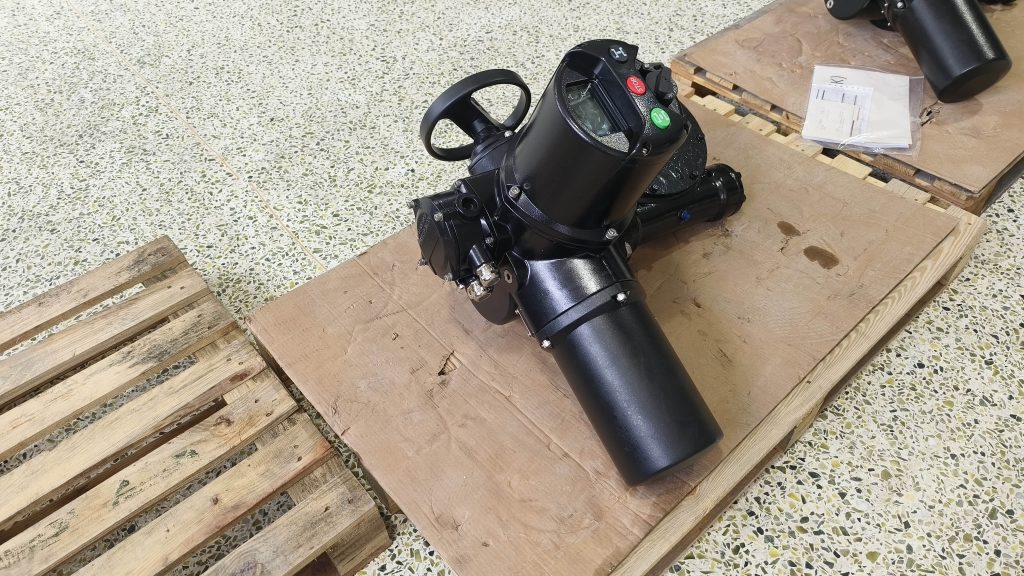
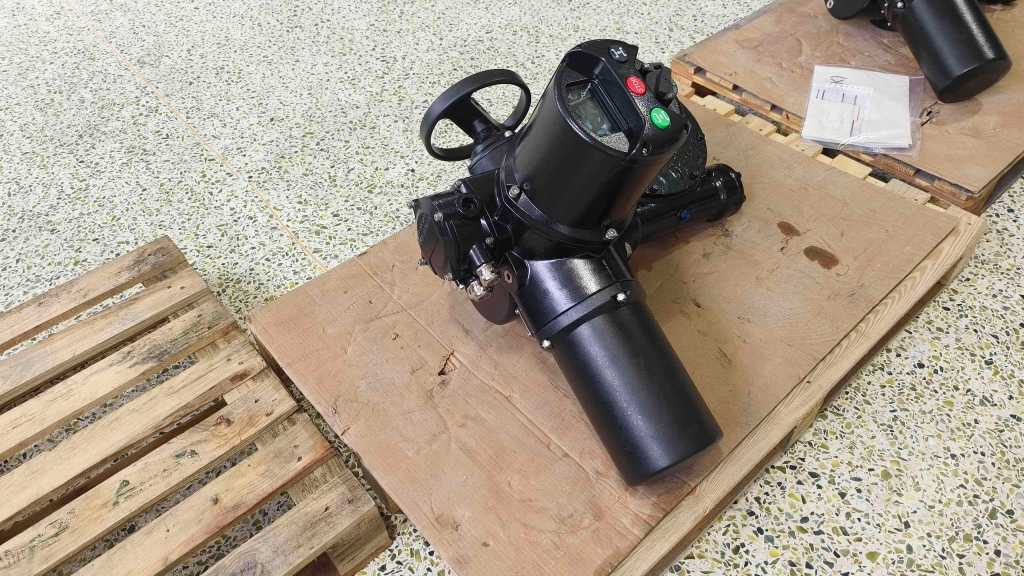
An intelligent integrated actuator is a system that combines multiple functions into one device. It typically integrates an actuator (which performs the mechanical movement), sensors (to monitor the system’s status), a control unit (to process information and send commands), and communication modules (for system integration). Unlike traditional actuators that require separate components for control and feedback, IIAs operate autonomously, adjusting their output based on real-time data from internal sensors.
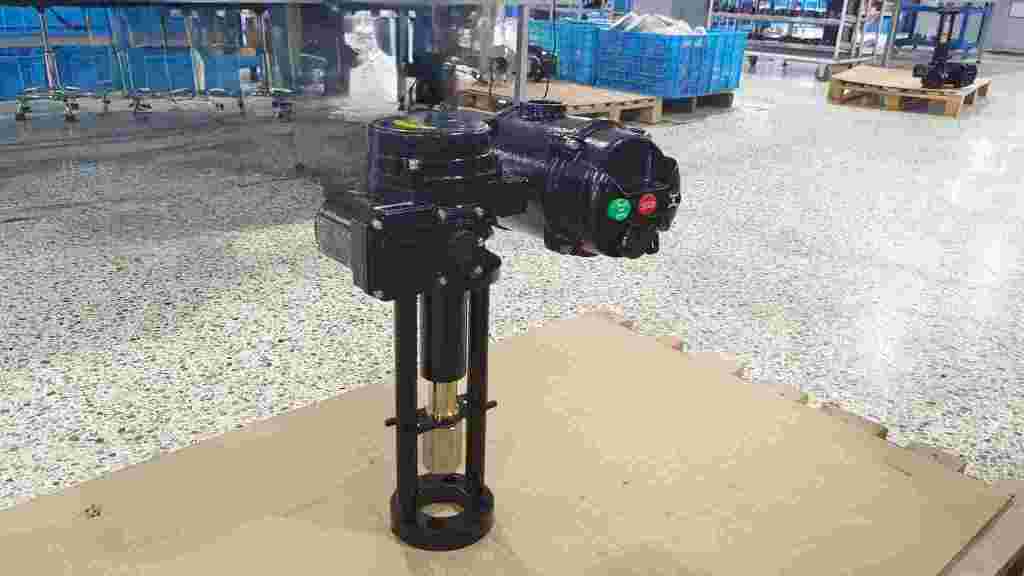
The key to an intelligent integrated actuator’s functionality is its ability to make real-time decisions. The integrated controller uses algorithms to process input from the sensors and adjusts the actuator’s movement accordingly. This feedback loop allows IIAs to adapt to changing conditions, making them highly flexible and capable of responding to varying system demands.
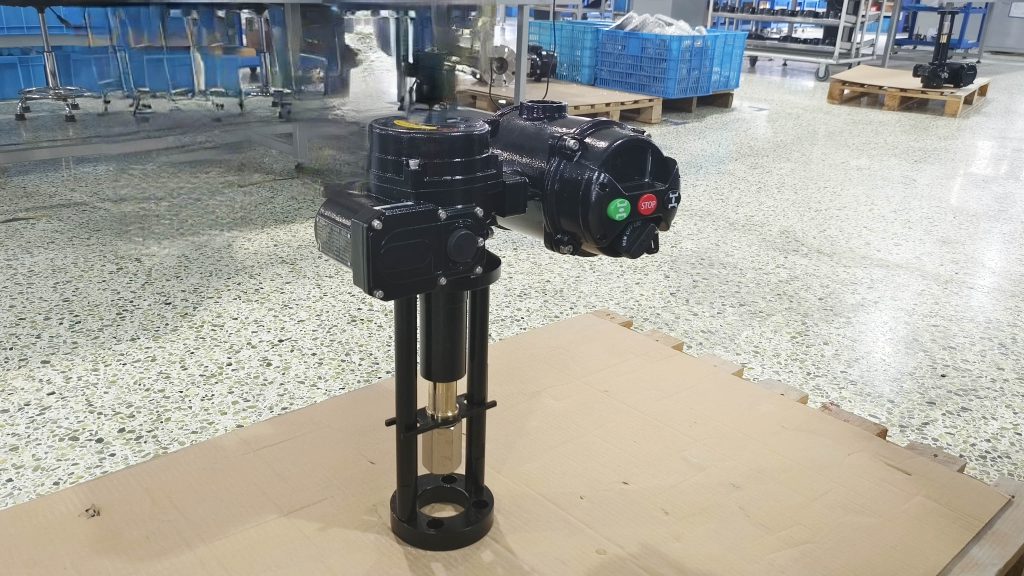
Key Components of Intelligent Integrated Actuators
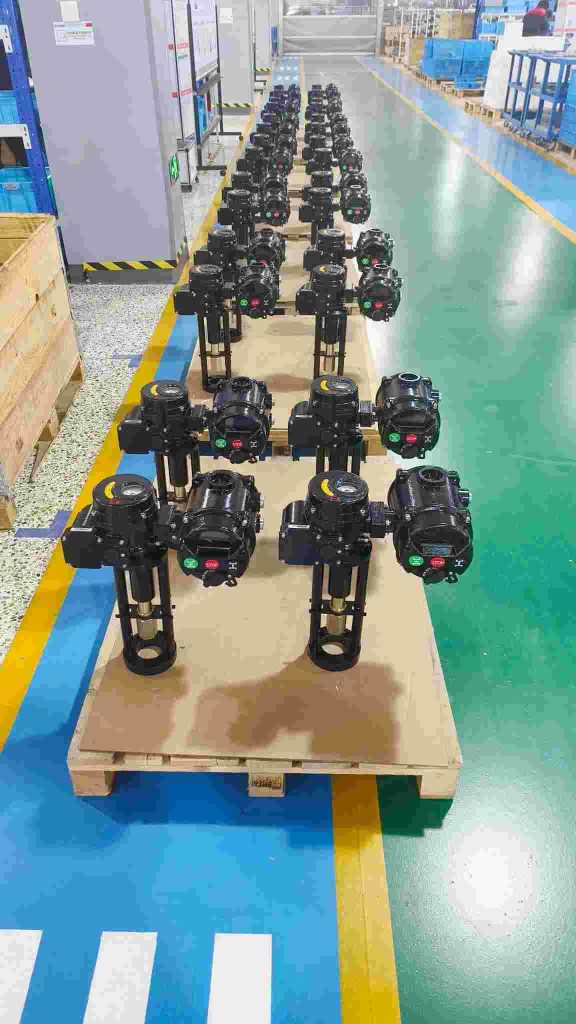
Actuator: The core component of an IIA is the actuator itself, which provides the mechanical output. These actuators can be electric motors, hydraulic cylinders, or pneumatic actuators, depending on the application. Sensors: Embedded sensors continuously monitor parameters such as position, velocity, temperature, and force. The sensor data helps the system maintain optimal performance and prevent failures. Controller: The controller processes data from the sensors and sends commands to the actuator. Often powered by advanced microcontrollers or digital signal processors, these controllers use pre-programmed algorithms to determine the most efficient response based on the data received.