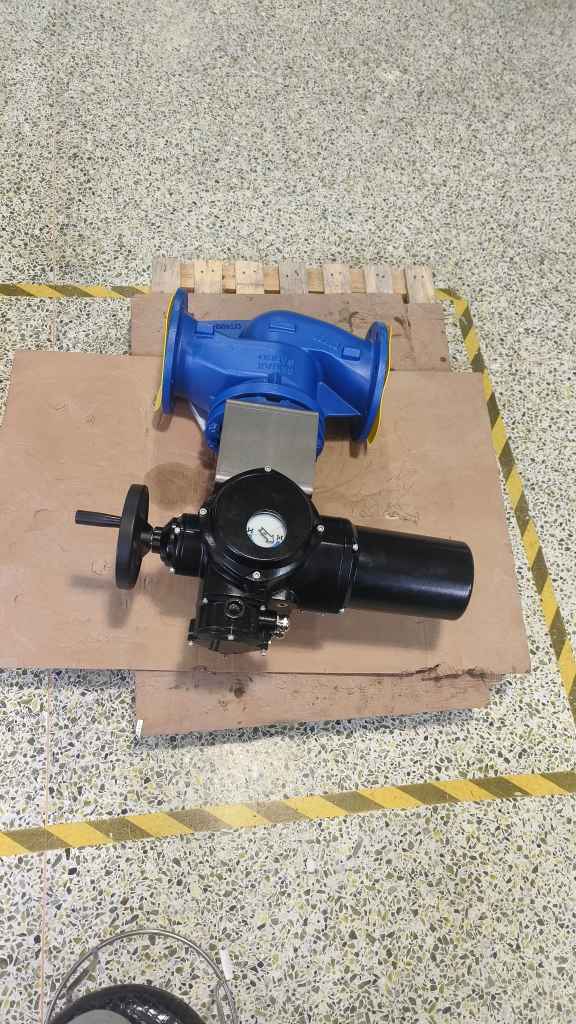
Hydrogen energy is increasingly recognized as a promising alternative to conventional fossil fuels, especially in the quest for sustainable and clean energy sources. As the global focus shifts toward reducing carbon emissions, hydrogen is poised to play a pivotal role in the energy sector. Among the essential components in hydrogen systems is the hydrogen energy electric shut-off valve. This specialized valve is crucial for the safe and efficient operation of hydrogen-based technologies, especially in hydrogen storage, fuel cells, and transportation. This article will delve into the function, significance, and application of the hydrogen energy electric shut-off valve.
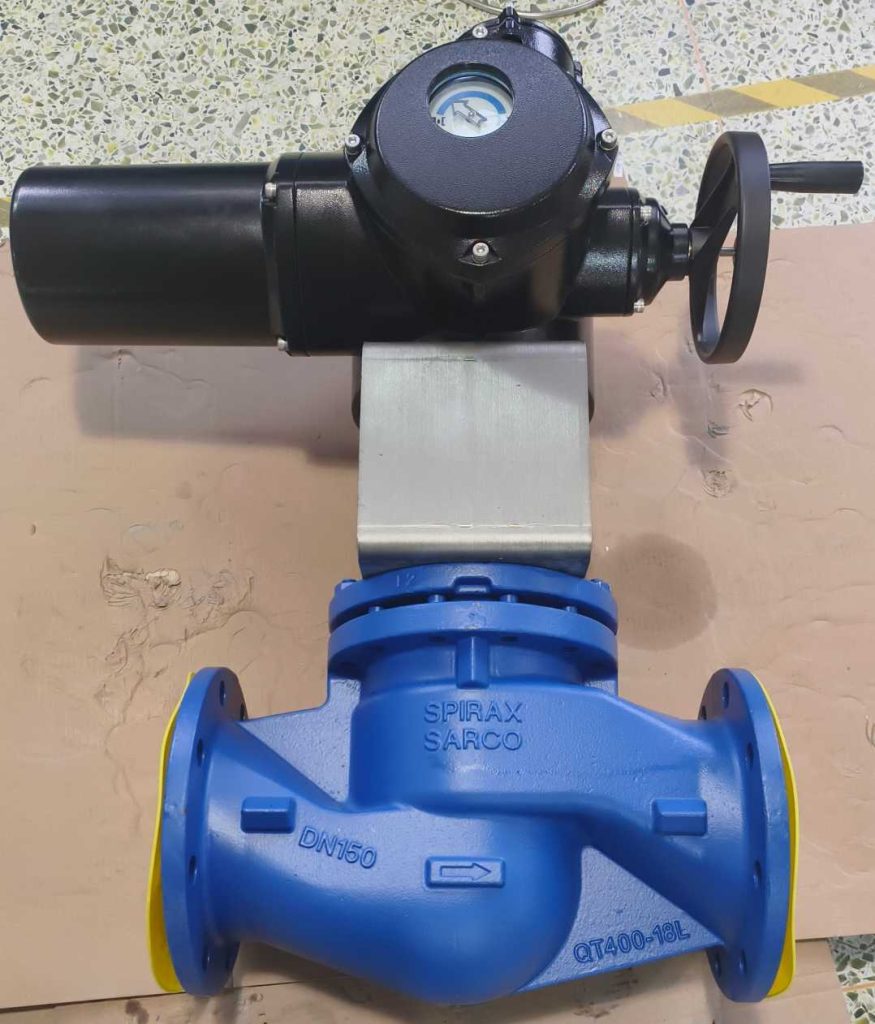
What is a Hydrogen Energy Electric Shut-Off Valve?
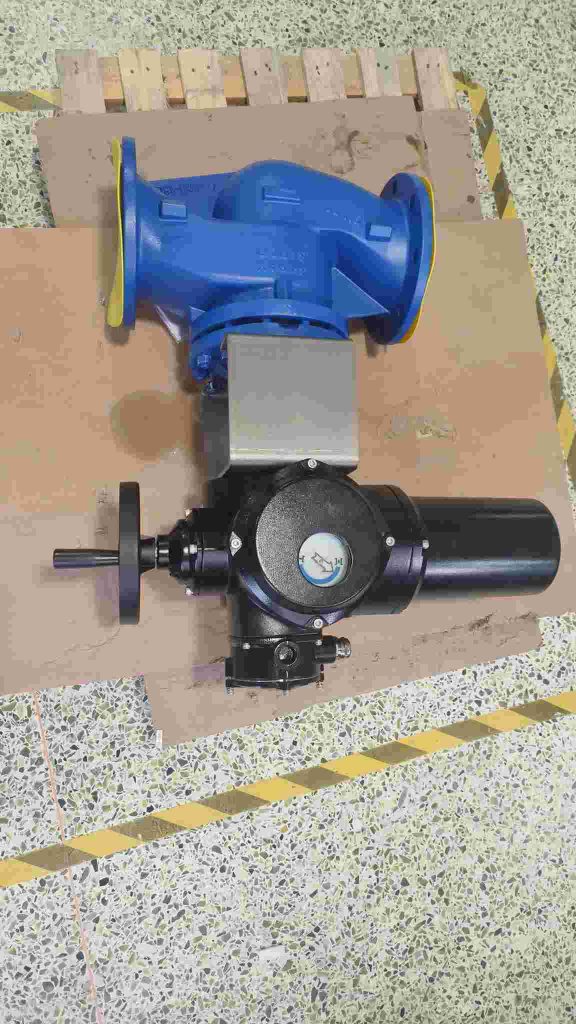
A hydrogen energy electric shut-off valve is a mechanical device designed to control the flow of hydrogen gas in a system. It is electronically actuated, meaning that the valve’s operation is controlled by an electric signal. The primary role of this valve is to prevent the accidental release or leakage of hydrogen, which can be hazardous due to its flammability and explosiveness under certain conditions. The valve consists of two main components: the valve body, which houses the mechanism that controls the flow of hydrogen, and the electric actuator, which opens or closes the valve based on electrical input. The actuator is typically connected to a control system that monitors and adjusts the flow of hydrogen as required.