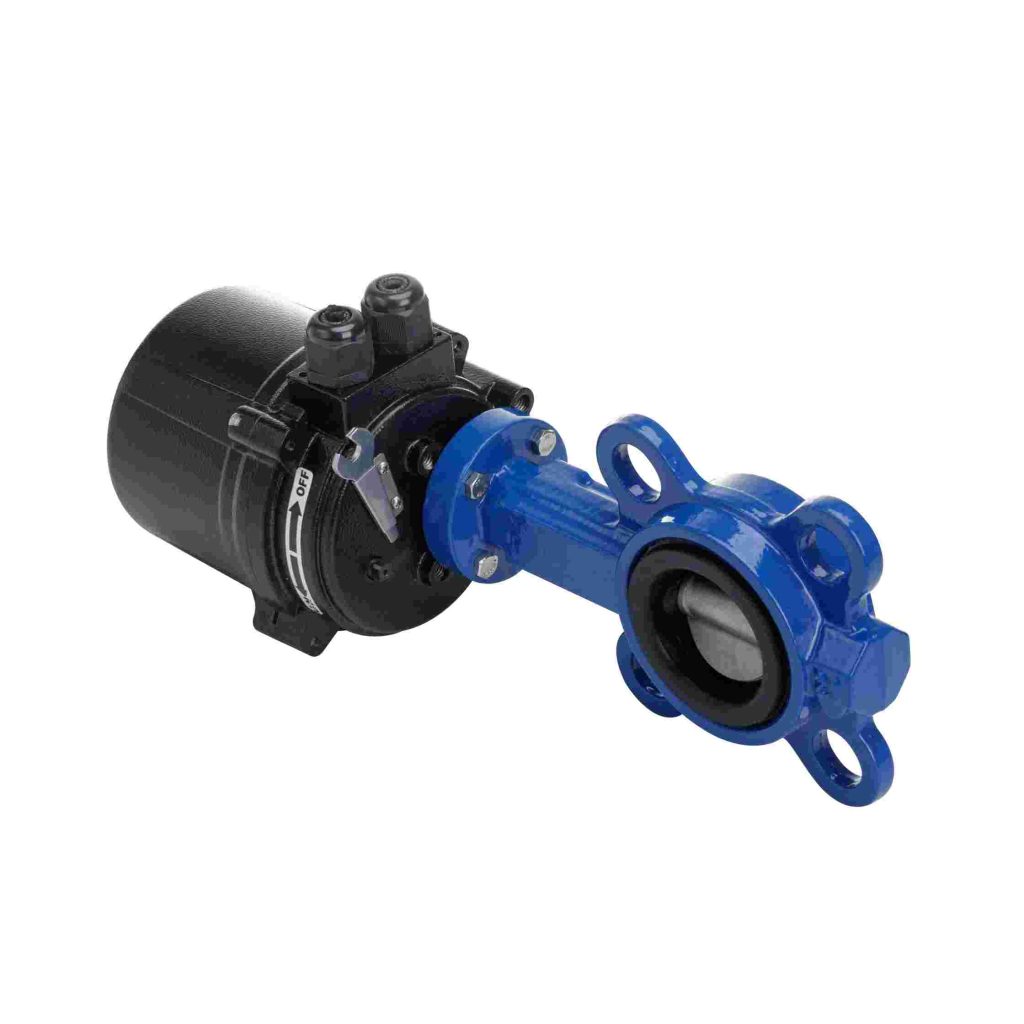
In recent years, the agricultural sector has increasingly adopted innovative technologies to enhance efficiency, reduce environmental impacts, and meet the growing global food demand. One such advancement that promises to revolutionize farming practices is the integration of hydrogen energy systems into irrigation technology. Specifically, the use of hydrogen energy electric butterfly valves for agricultural irrigation is emerging as a sustainable and efficient solution. This article explores how these valves work, their benefits in irrigation, and their potential impact on modern agriculture.
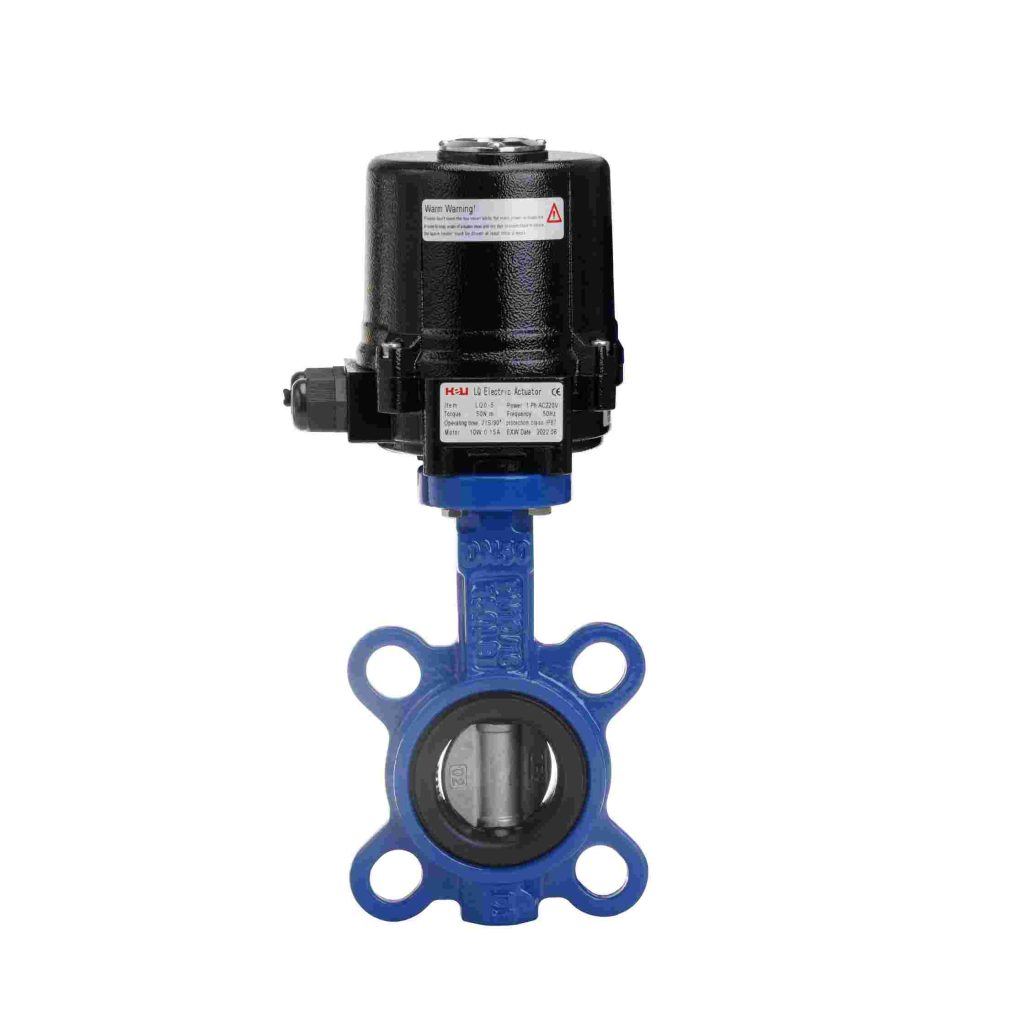
Understanding the Hydrogen Energy Electric Butterfly Valve
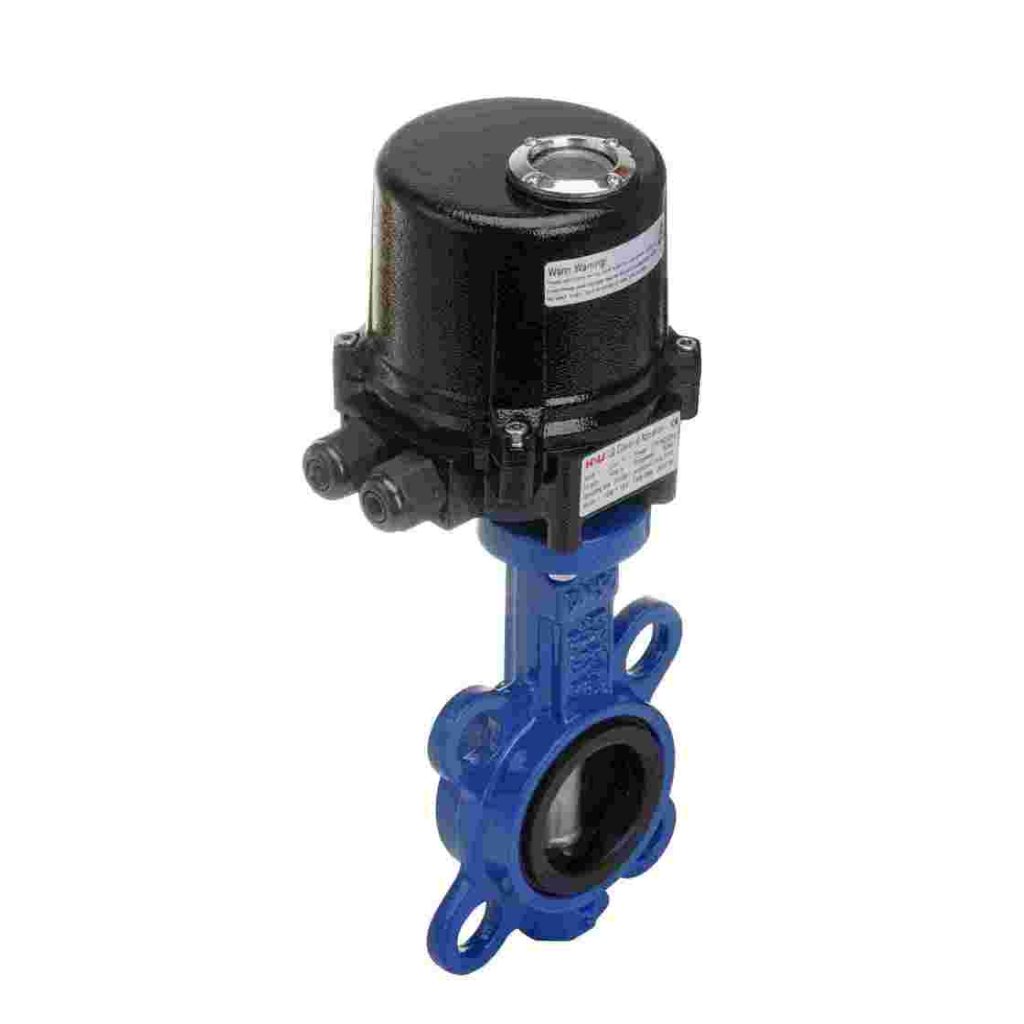
A butterfly valve is a type of flow control device that regulates the flow of liquids, gases, or slurries within a pipeline. Its design includes a rotating disc that either blocks or allows the passage of material based on its position within the pipe. These valves are highly valued for their simplicity, compact design, and low cost, making them ideal for a wide range of applications, including water and irrigation systems. The innovation of adding hydrogen energy and electric actuators to butterfly valves brings about new possibilities for agricultural irrigation systems. In this setup, hydrogen energy serves as the clean and renewable power source that drives the electric actuator, which in turn controls the opening and closing of the butterfly valve. By incorporating hydrogen energy into this system, it significantly reduces dependency on traditional, less eco-friendly power sources like fossil fuels.