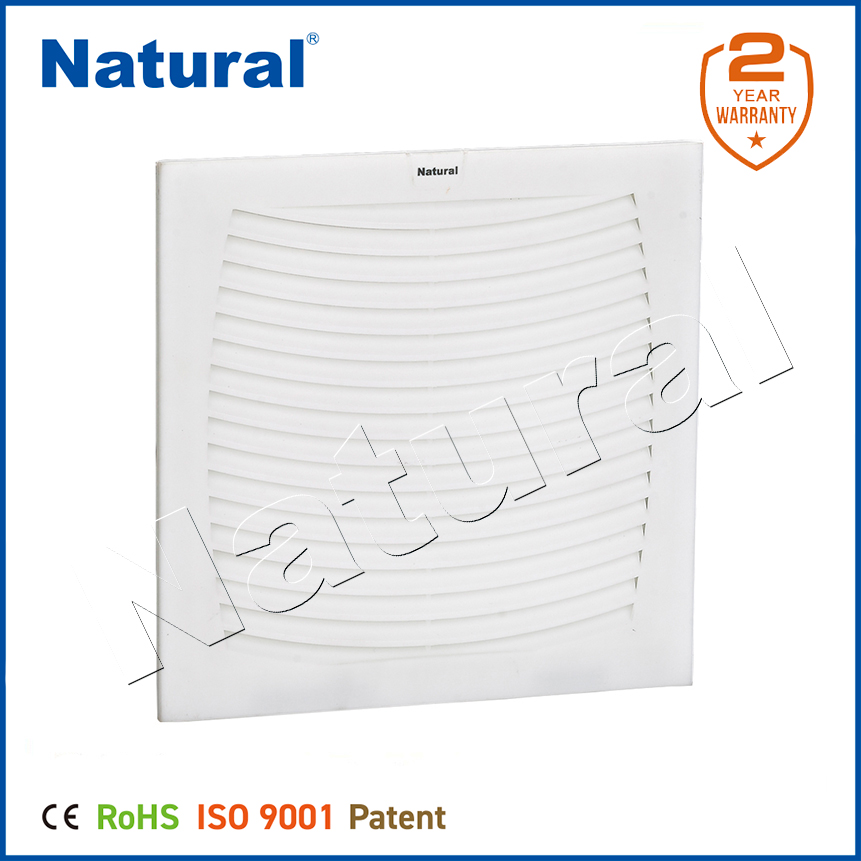
Electric fans are a staple in many households and workplaces, providing much-needed relief during hot weather and enhancing airflow in closed spaces. However, while these fans are great for circulating air, they may also blow dust, dirt, pollen, and other particles into the room, which could compromise indoor air quality. This is where an electric fan filter comes into play. An electric fan filter is designed to trap airborne contaminants before they are dispersed into the environment, ensuring cleaner and fresher air for those in the room. In this article, we will explore the benefits of electric fan filters, how they work, and why they should be considered for both residential and commercial spaces.
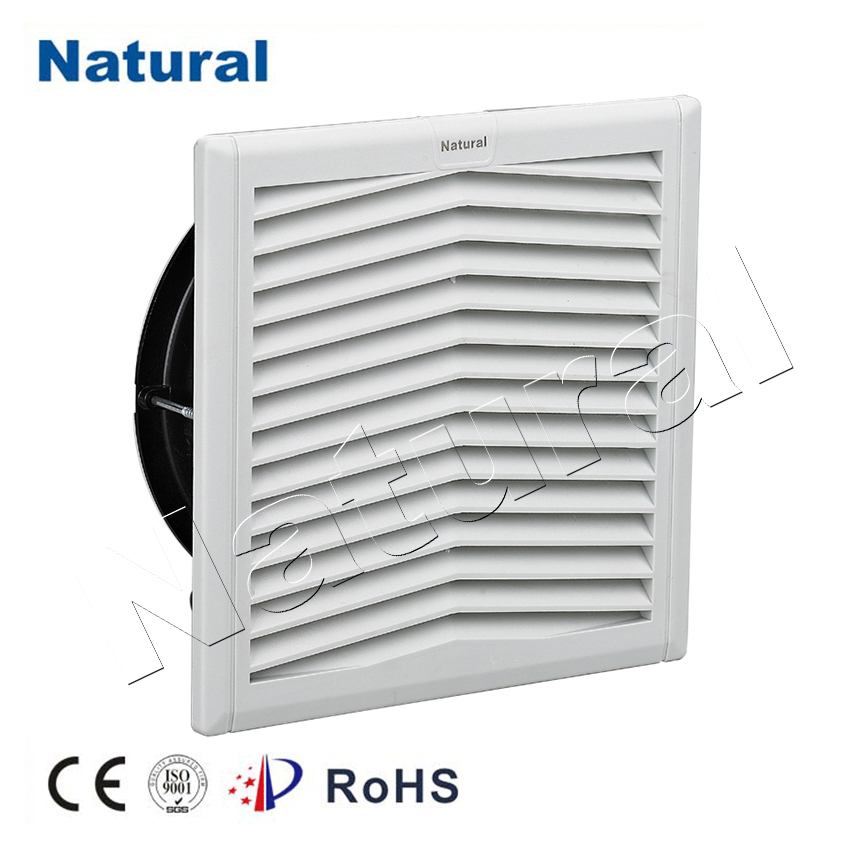
Understanding the Function of an Electric Fan Filter
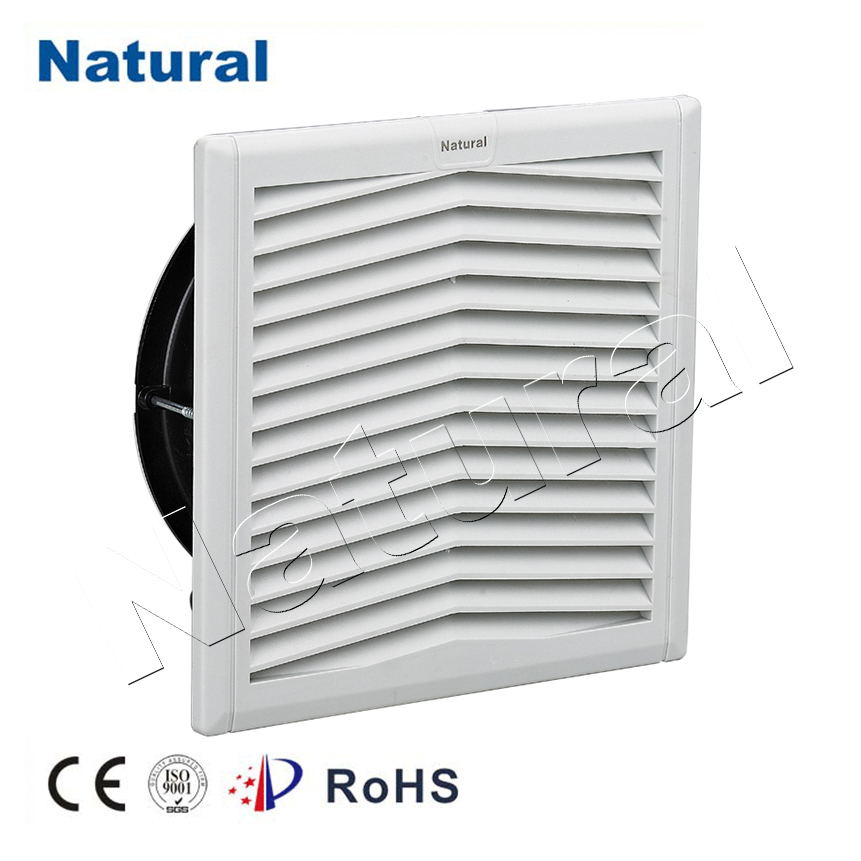
An electric fan filter functions as a protective barrier that captures airborne particles that could otherwise be circulated throughout a room by the fan. These filters are typically installed within or attached to the fan itself, and their main job is to purify the air before it is dispersed. Most electric fan filters are made with materials that can trap dust, pollen, pet dander, and even larger particles such as hair or debris. The filter works by using different filtration technologies such as HEPA (High-Efficiency Particulate Air) filters, carbon filters, or washable filters to remove impurities from the air. The air sucked in by the fan is passed through the filter, which captures the particles. The clean air is then pushed back into the room, reducing the presence of allergens and pollutants in the air.