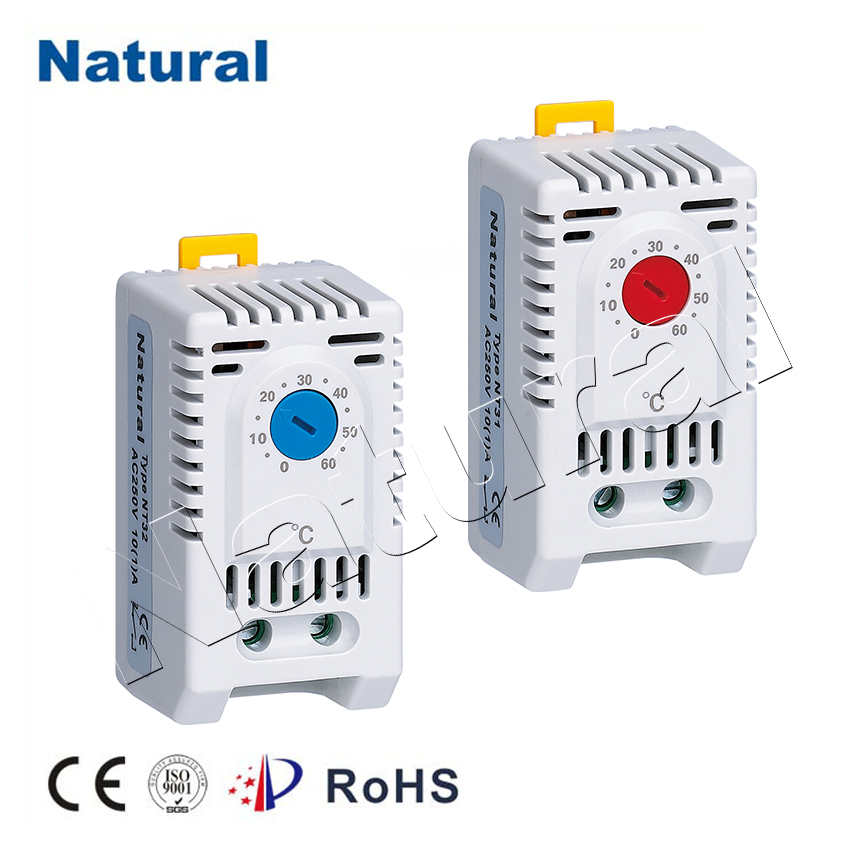
A DIN thermostat is an essential component in temperature control systems, widely used in various industrial and domestic applications. Adhering to the strict standards set by the Deutsches Institut für Normung (DIN), or the German Institute for Standardization, these thermostats ensure reliability, precision, and compatibility across different devices. This article explores the functionality, design features, and applications of the DIN thermostat, shedding light on its significance in modern temperature regulation.
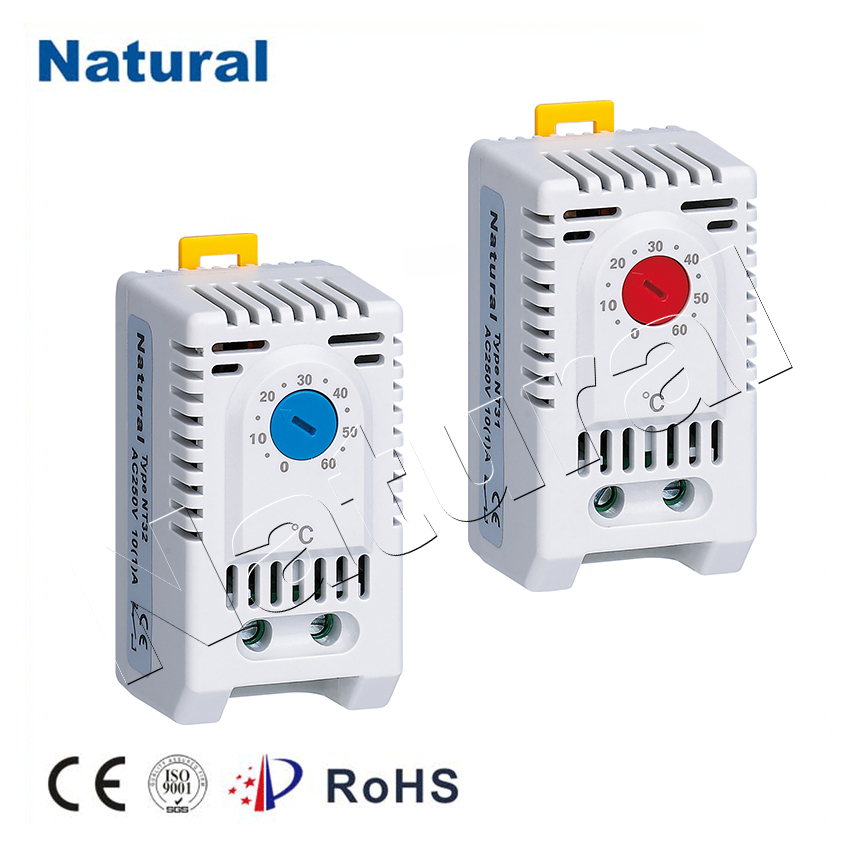
What is a DIN Thermostat?
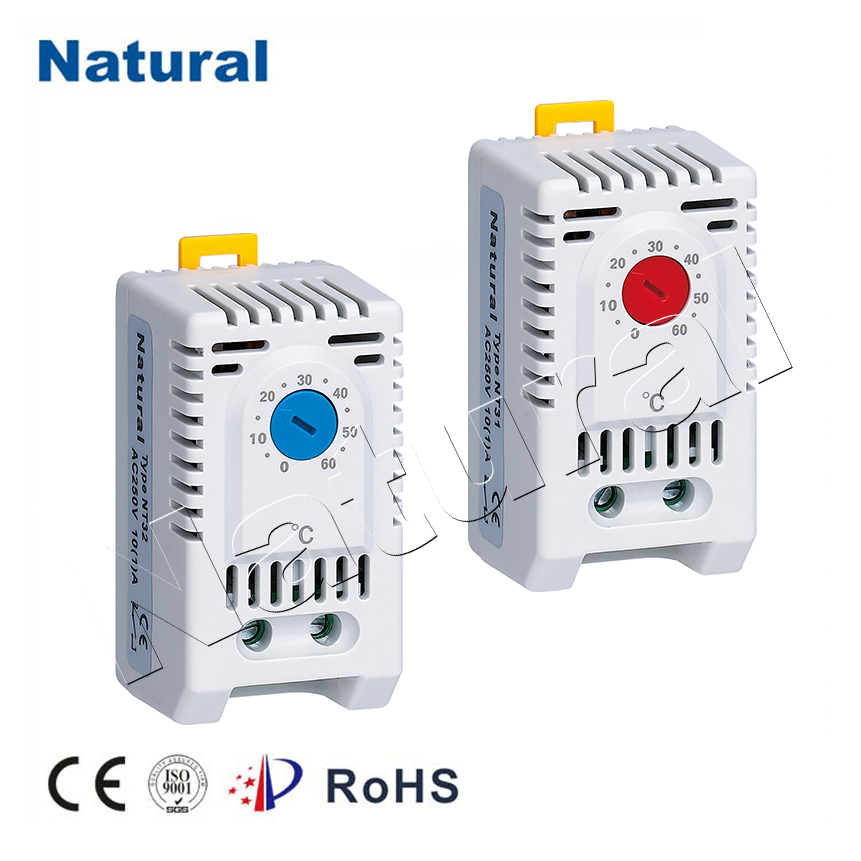
The term DIN thermostat refers to a type of temperature control device that conforms to the DIN standard, a set of norms established by Germany’s national standardization organization. The DIN standards cover a wide range of industrial, electrical, and mechanical products, ensuring consistent quality and compatibility across systems and regions. Specifically, DIN thermostats are temperature controllers that help maintain a predefined temperature by switching on or off heating or cooling systems based on the ambient temperature. Key Features of DIN Thermostats Standardized Design One of the primary benefits of DIN thermostats is their adherence to the DIN standard, which dictates specific design dimensions, interfaces, and performance parameters. This standardized design ensures that the thermostats are compatible with a wide variety of electrical and mechanical systems. Whether in domestic appliances like refrigerators or industrial machinery, the compatibility of DIN thermostats allows for seamless integration across different devices.