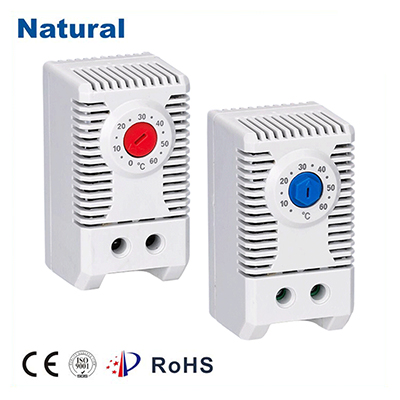
Bimetal thermostats are crucial devices widely used in various heating and cooling applications. They are instrumental in maintaining temperature control in systems ranging from household appliances to industrial machinery. This article aims to provide an in-depth look at bimetal thermostats, explaining their working principles, applications, advantages, and considerations for use.
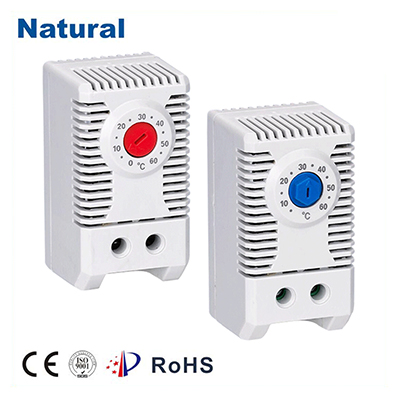
What is a Bimetal Thermostat?
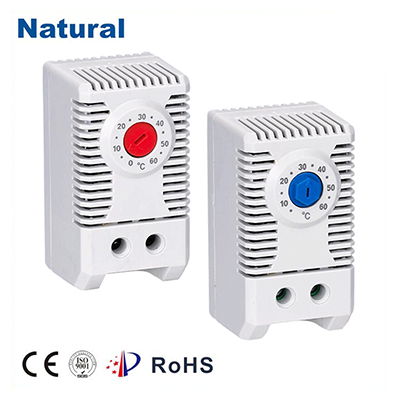
A bimetal thermostat operates on the principle of thermal expansion. It consists of two different metals bonded together, each having a different coefficient of expansion. When the temperature changes, the two metals expand at different rates, causing the bimetallic strip to bend. This bending motion is used to open or close an electrical circuit, thereby regulating the temperature of a system. The typical construction of a bimetal thermostat includes a bimetallic strip, a switch mechanism, and an adjustment feature. The bimetallic strip is usually enclosed in a protective casing that prevents environmental factors from affecting its performance. When the temperature reaches a predetermined threshold, the strip bends sufficiently to activate the switch, either turning on or off a heating or cooling system.