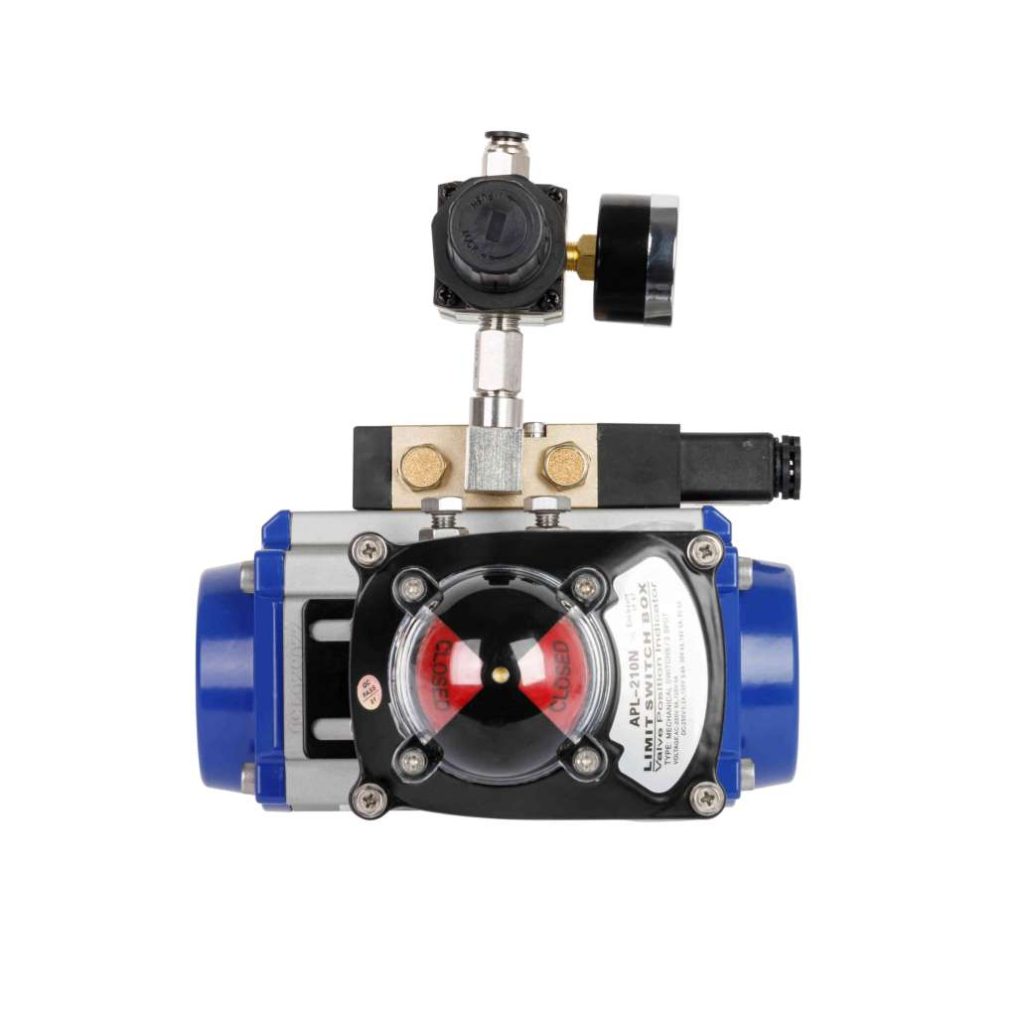
Pneumatic actuators are an essential component of many industrial automation systems, providing efficient, reliable, and cost-effective solutions for a wide range of applications. These devices convert compressed air into mechanical motion, offering simple yet effective actuation capabilities in systems ranging from manufacturing lines to complex robotic arms. With their diverse range of applications, pneumatic actuators are especially important in industries that require speed, precision, and versatility. One company at the forefront of leveraging pneumatic actuators in automation is Helix Automation, a key player in providing integrated solutions that drive the efficiency and productivity of modern systems.
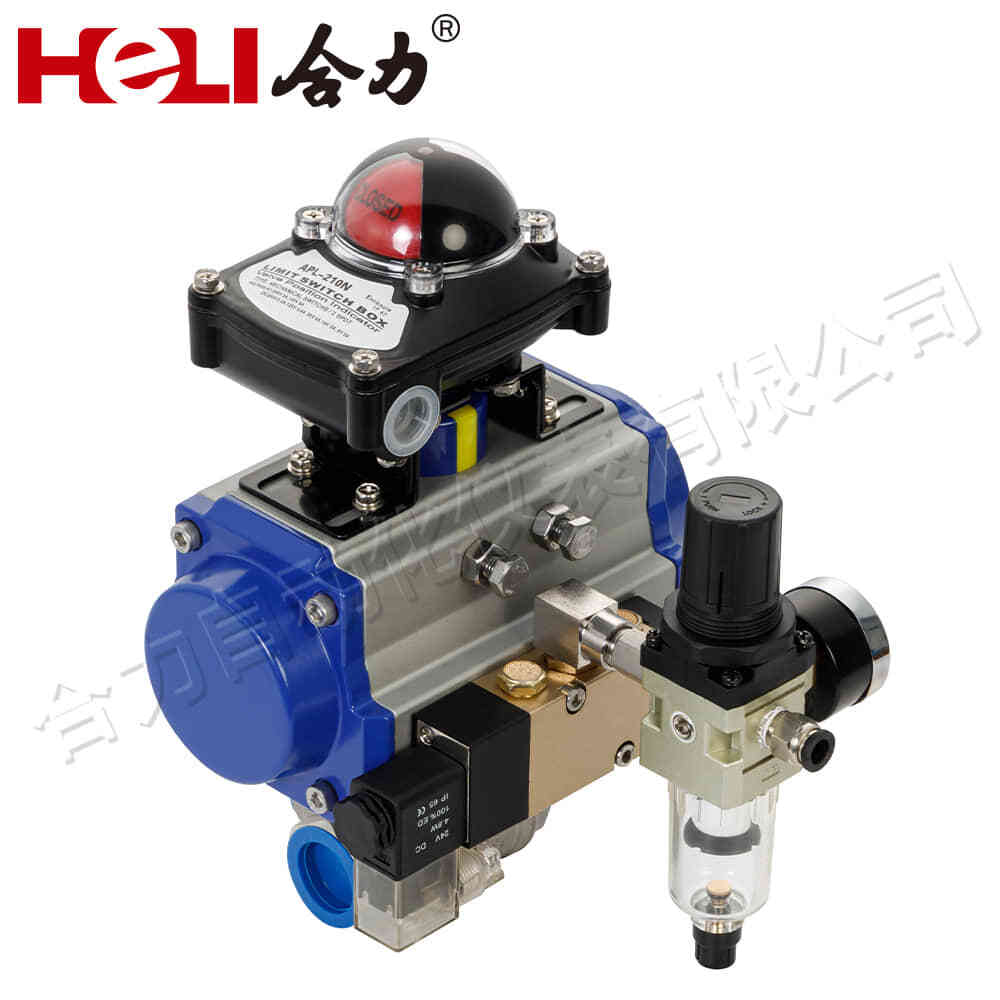
What are Pneumatic Actuators?
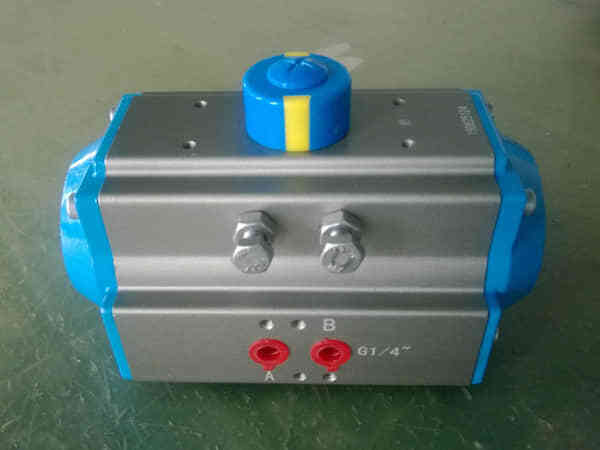
A pneumatic actuator is a device that uses compressed air to produce mechanical movement. This type of actuator typically consists of a cylinder that contains a piston connected to a rod. When compressed air enters the cylinder, it pushes the piston in one direction, creating linear motion. Depending on the design, pneumatic actuators can also be used to create rotary motion. They are widely used in automated processes to move or control machinery parts, such as valves, levers, and other mechanical systems. The primary advantage of pneumatic actuators is their simplicity and speed. They operate on air, which is a safe and cost-effective medium. In contrast to electric actuators, pneumatic actuators are less prone to overheating, and they can provide rapid responses to control signals, making them ideal for applications where speed is a critical factor. Furthermore, because pneumatic actuators rely on compressed air, they are inherently safe and do not pose the same risk of electrical hazards.