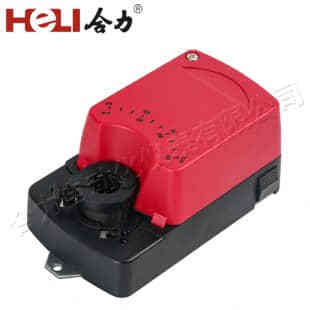
Damper actuators are crucial devices used in various industries to regulate airflow and optimize ventilation systems. Whether in heating, ventilation, and air conditioning (HVAC) systems, fire safety systems, or industrial applications, damper actuators play an essential role in controlling the movement of dampers, which in turn controls the air flow, temperature, and pressure within a system. This article will explore the workings, types, applications, and advantages of damper actuators, helping to understand why they are so critical in modern engineering systems.
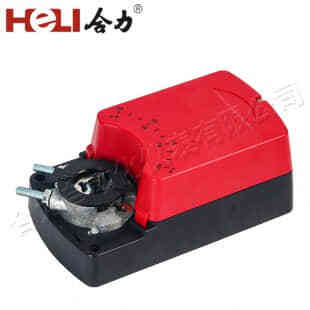
What is a Damper Actuator?
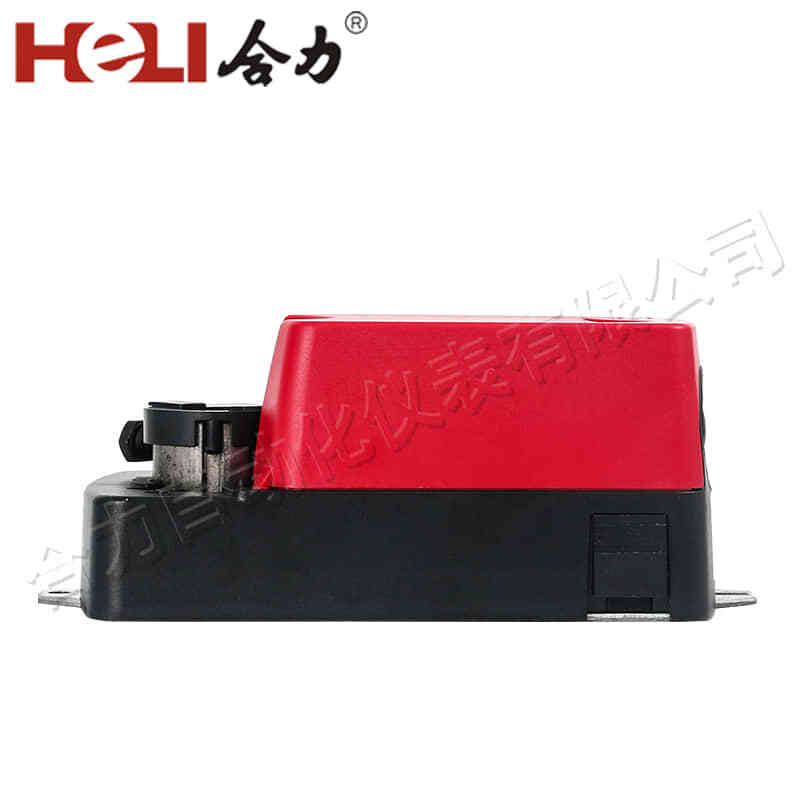
A damper actuator is a device that controls the movement of a damper—a type of valve or gate used to regulate airflow in ducts or vents. The actuator drives the damper to open or close, adjusting the air passage based on signals from a controller. These actuators are typically powered by electricity or compressed air and are designed to respond quickly and efficiently to ensure the optimal operation of the system they are a part of. Damper actuators are commonly used in HVAC systems, industrial ventilation, and environmental control systems. They help maintain the desired air pressure, temperature, and humidity, while ensuring the efficiency and safety of the system.