The Electric Two-Seat Regulating Valve is a crucial component in industrial fluid control systems, widely used in various industries for precise regulation of flow, pressure, and temperature. This type of valve combines the benefits of a dual-seat design with electric actuation, making it a reliable and efficient choice for demanding control applications. In this article, we will explore the working principles, features, advantages, and applications of the Electric Two-Seat Regulating Valve.
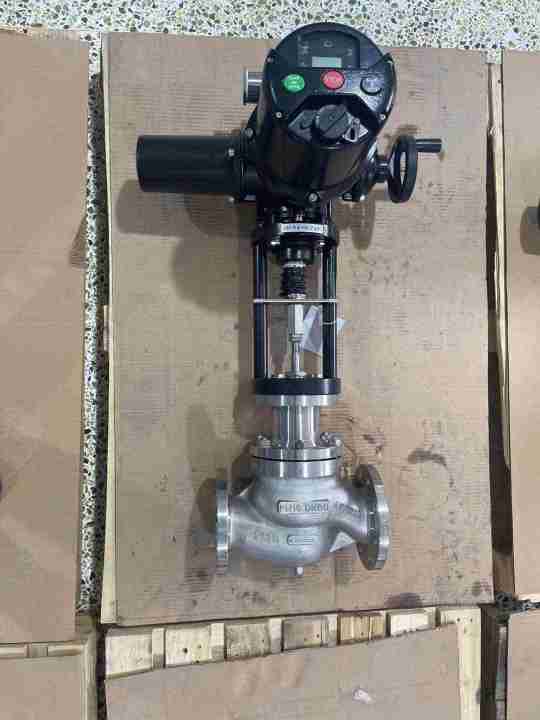
What is an Electric Two-Seat Regulating Valve? As the name suggests, the Electric Two-Seat Regulating Valve consists of two independent seats that work in tandem to control the flow of fluid through the valve. The dual-seat design allows for greater control over high-flow and high-pressure applications. The valve is driven by an electric actuator, which receives a control signal (such as 4-20mA or 0-10V) and adjusts the valve’s position accordingly to regulate the fluid flow. Key Features of Electric Two-Seat Regulating Valve Dual-Seat Design: The valve’s unique design features two seats, ensuring even distribution of fluid flow and better sealing. This is especially advantageous in applications where high flow rates or pressure differentials are involved.