Electric pinch valves are a vital component in modern fluid control systems, offering reliable and efficient solutions for regulating the flow of liquids, gases, and powders in various industrial applications. These valves are designed with simplicity and effectiveness in mind, making them an excellent choice for industries that require precise flow control and robust sealing. In this article, we will explore the working principles, advantages, applications, and maintenance of electric pinch valves.
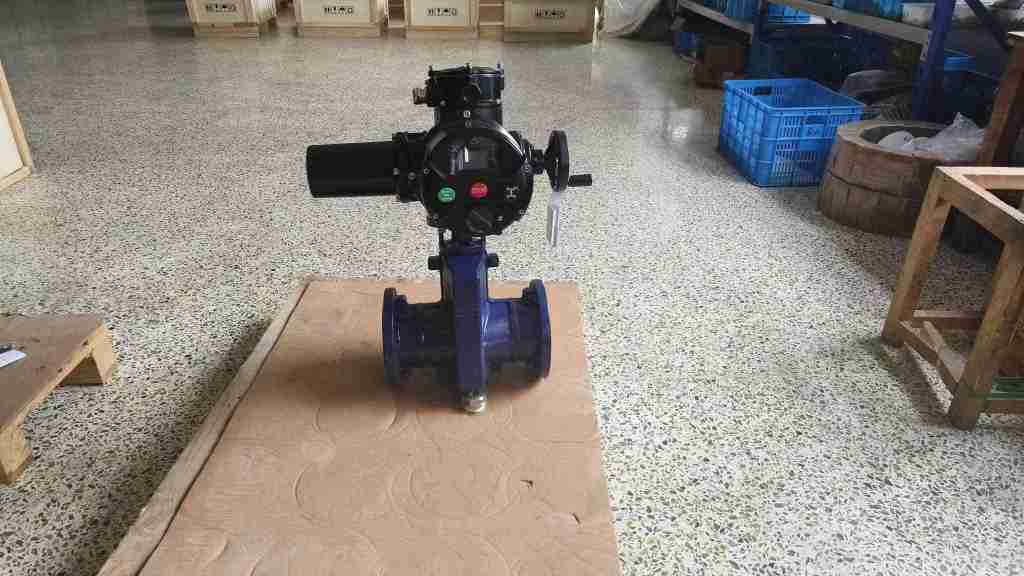
What is an Electric Pinch Valve? An electric pinch valve consists of a flexible tube or hose, typically made from rubber or similar materials, which is clamped or pinched by a mechanical mechanism controlled by an electric actuator. When the actuator is powered, it compresses the hose to restrict or block the flow of the medium inside. The electric actuator can be operated remotely, making the valve highly automated and convenient for applications requiring constant monitoring or control. The valve’s design is straightforward but highly effective. The pinching action on the flexible tube is highly reliable, and it allows for an excellent seal without the need for traditional mechanical seals that may wear out over time. This simple yet efficient mechanism makes electric pinch valves ideal for a range of challenging applications.