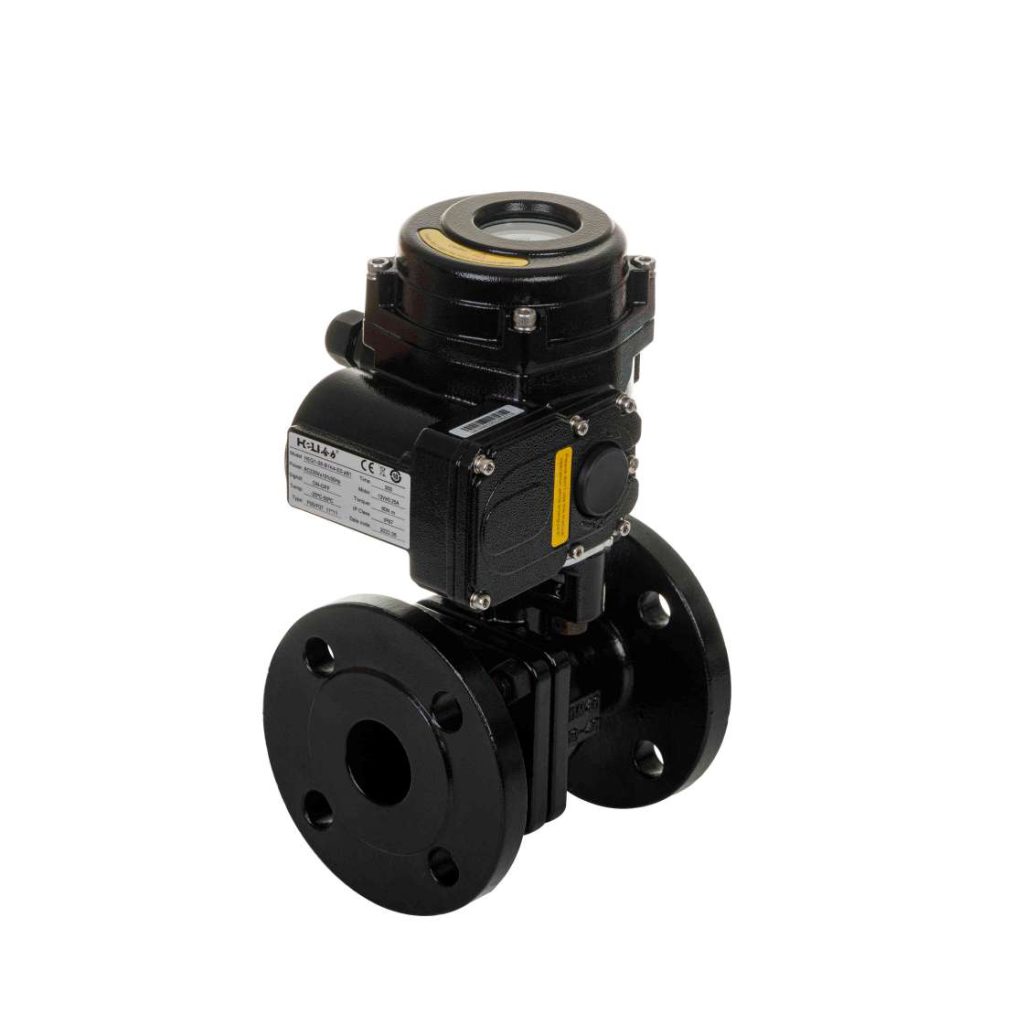
In industries that deal with potentially explosive or flammable materials, safety is paramount. One of the most critical safety components in such environments is the explosion-proof electric valve, specifically the WCB (Water-Cooled Bronze) Explosion-Proof Electric Valve. These valves play an essential role in regulating fluid flow while ensuring that the surrounding environment remains safe from hazardous situations. This article explores the design, functionality, applications, and importance of WCB explosion-proof electric valves in industrial processes.
What is a WCB Explosion-Proof Electric Valve?
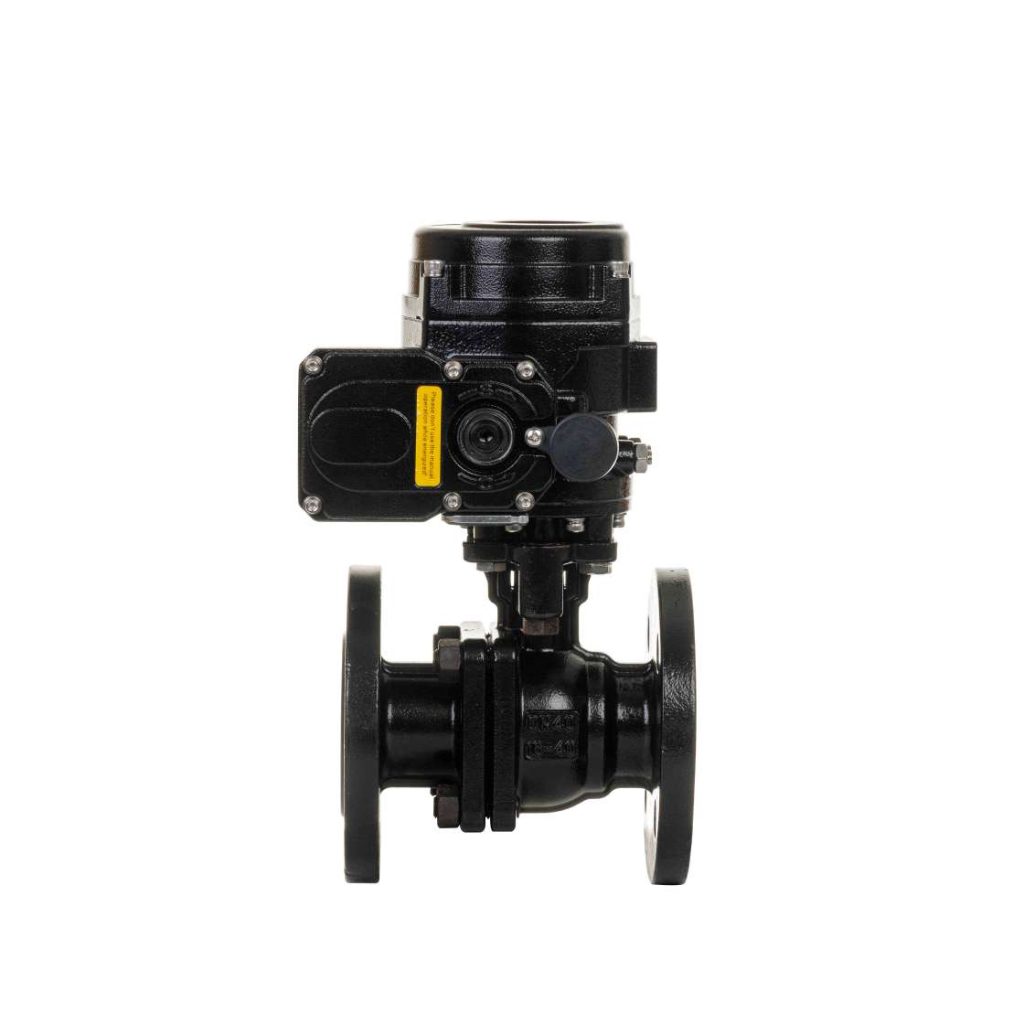
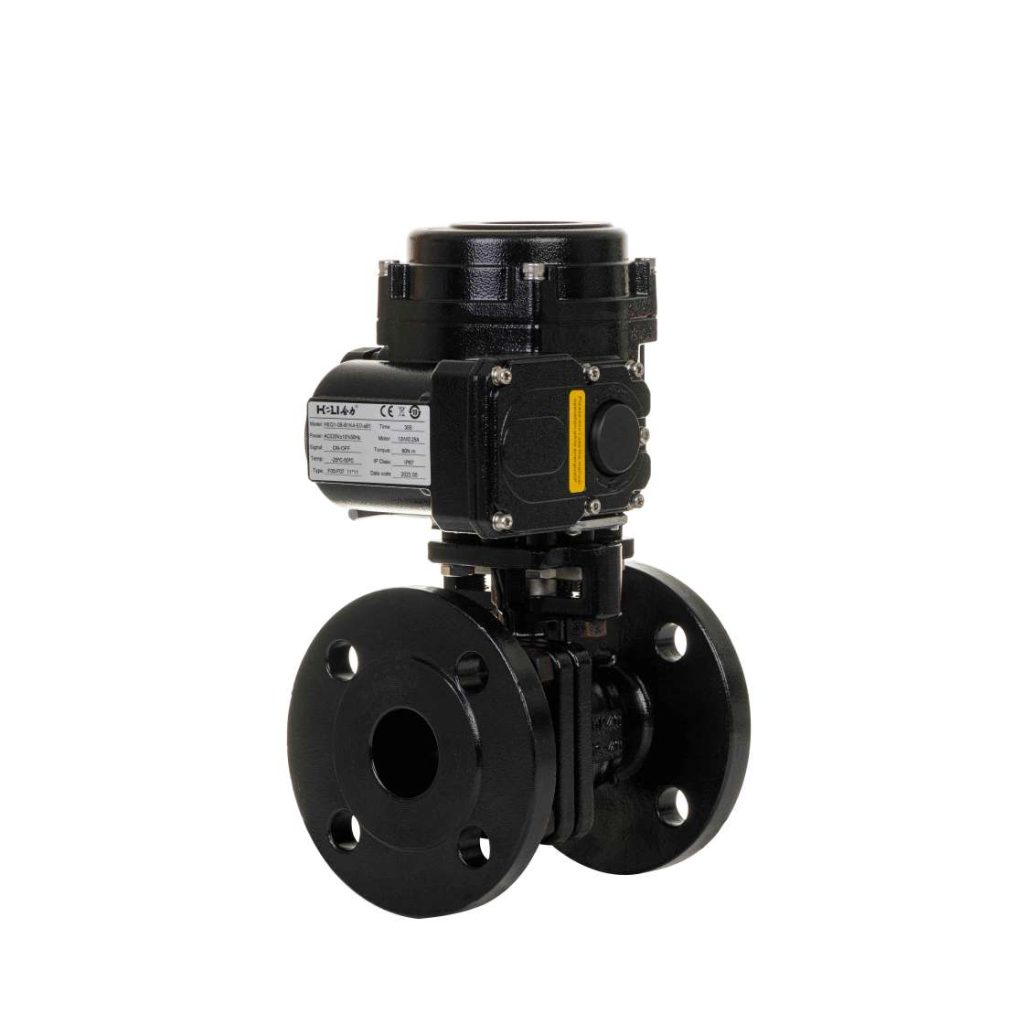
A WCB explosion-proof electric valve is a type of valve designed to control the flow of liquids or gases in hazardous environments while preventing the risk of an explosion. The term “WCB” refers to the material used in the valve’s body, which is typically water-cooled bronze. This material is known for its durability, resistance to corrosion, and excellent heat dissipation properties, making it ideal for use in high-temperature and explosive environments. The “explosion-proof” designation means that these valves are constructed to contain any sparks, heat, or other ignition sources that could potentially cause an explosion in flammable atmospheres. Electric valves, as opposed to manual ones, offer the advantage of automated control, which is crucial for precision and operational efficiency in complex industrial systems.