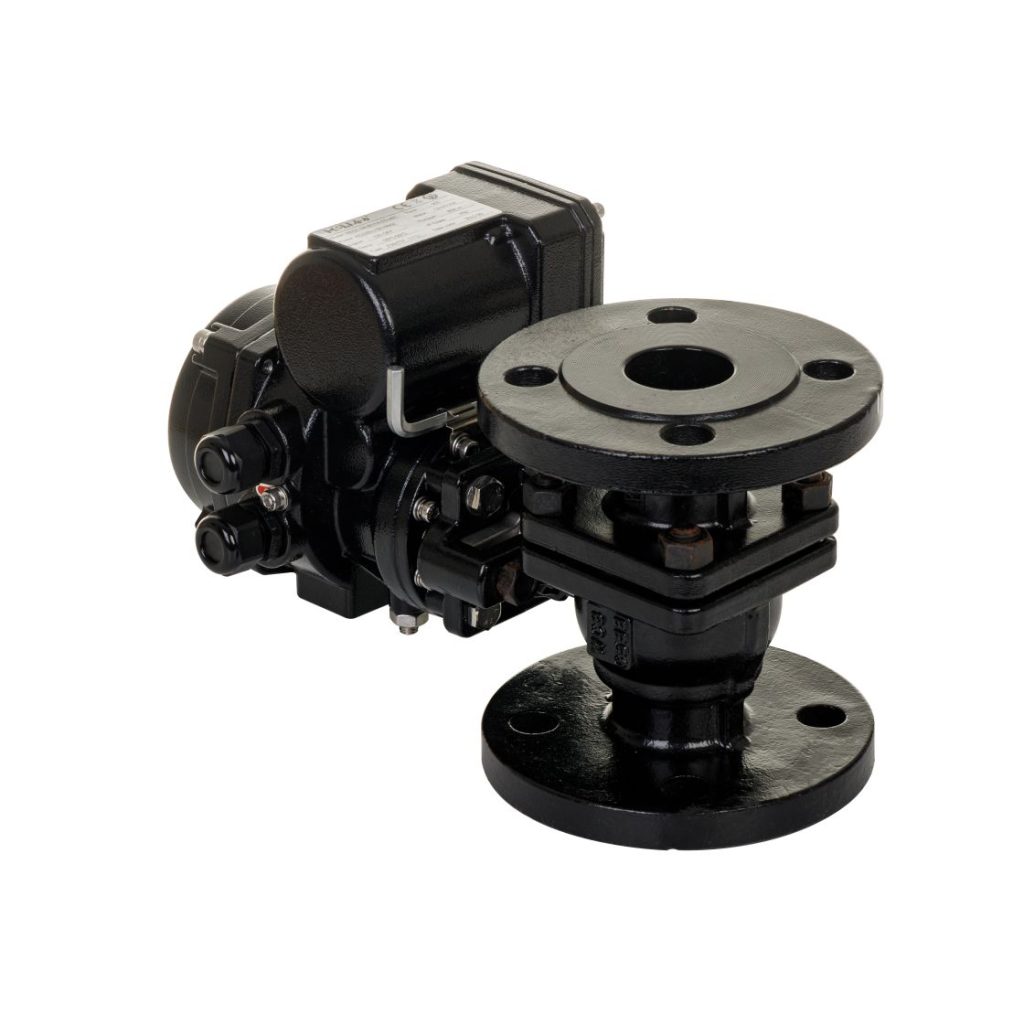
The development of hydrogen energy as a clean and sustainable alternative to traditional fossil fuels has spurred advancements in various technologies, one of which is the hydrogen energy electric flange ball valve. These valves play a crucial role in the transportation, storage, and regulation of hydrogen in industrial and energy systems. With hydrogen’s unique characteristics, such as its small molecular size, high diffusivity, and potential for embrittling certain materials, specialized valves are required to handle its distinct properties. The hydrogen energy electric flange ball valve is designed to address these challenges, offering a reliable and efficient solution for controlling hydrogen flow in modern energy infrastructures.
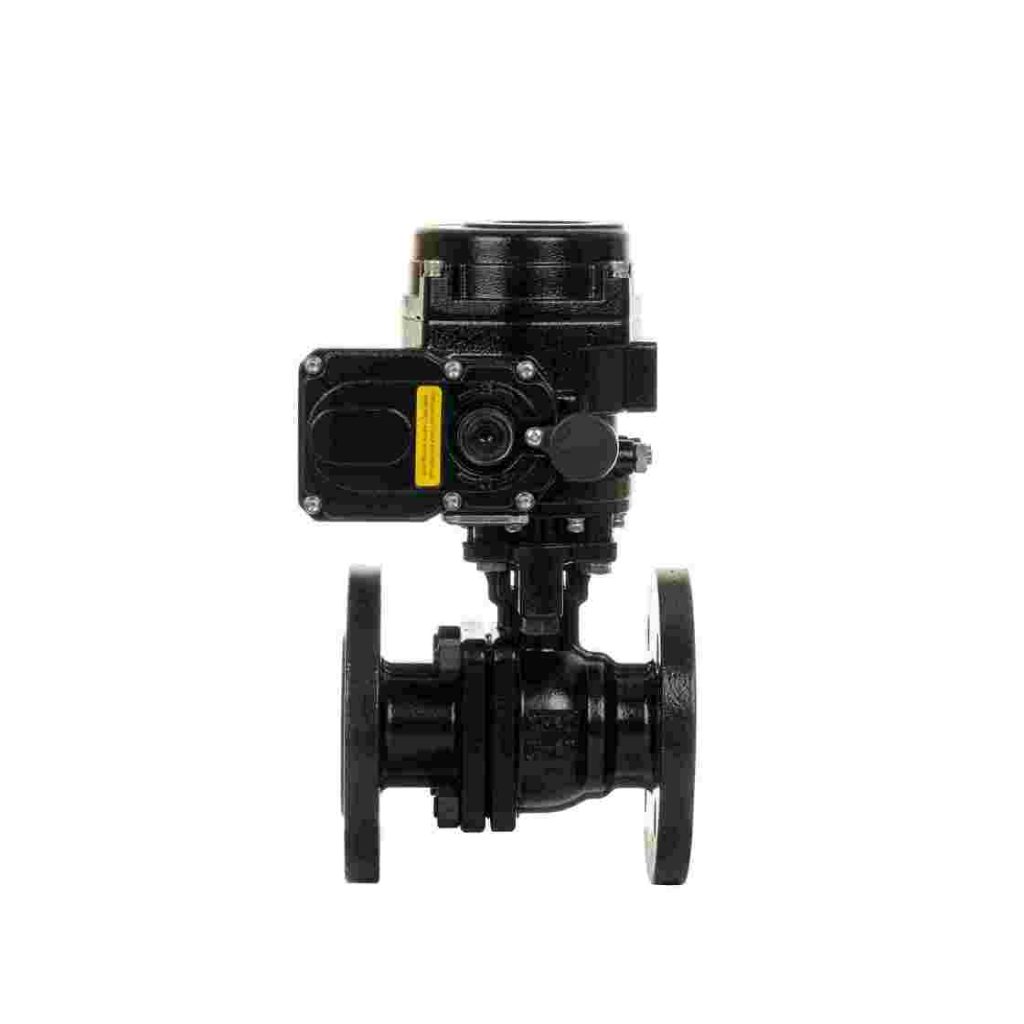
What is a Hydrogen Energy Electric Flange Ball Valve?
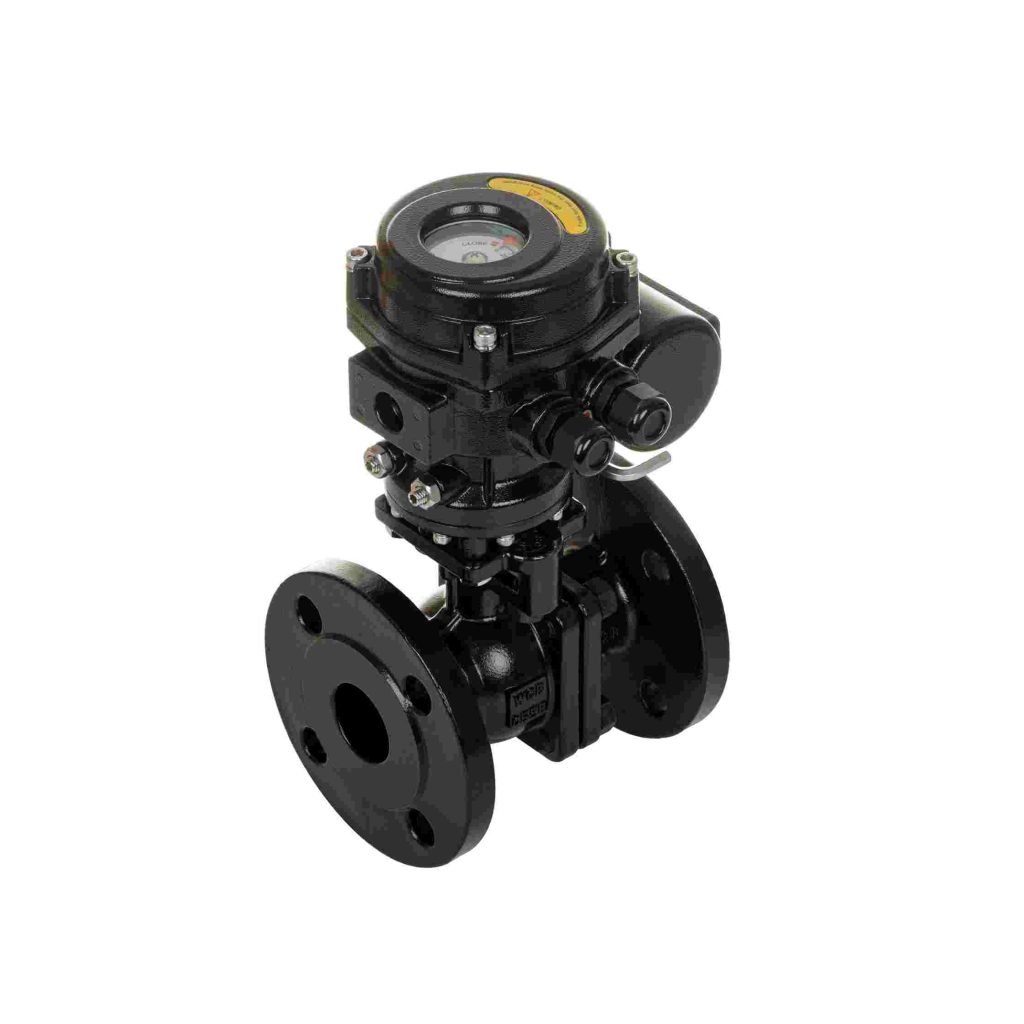
A hydrogen energy electric flange ball valve is a type of valve specifically designed for use in hydrogen energy systems. It combines the functionality of a traditional ball valve, which controls the flow of gases or liquids, with an electric actuator that allows for remote or automated operation. This type of valve is particularly suitable for applications involving hydrogen, as it ensures a leak-tight seal, precise control, and compatibility with high-pressure systems commonly used in hydrogen storage and distribution. The flange design refers to the way the valve is connected to the pipework using flanged ends, which are widely used in industrial settings for easy installation and maintenance. This connection type also provides enhanced sealing capabilities, crucial for preventing hydrogen leakage, which could otherwise result in significant safety risks.