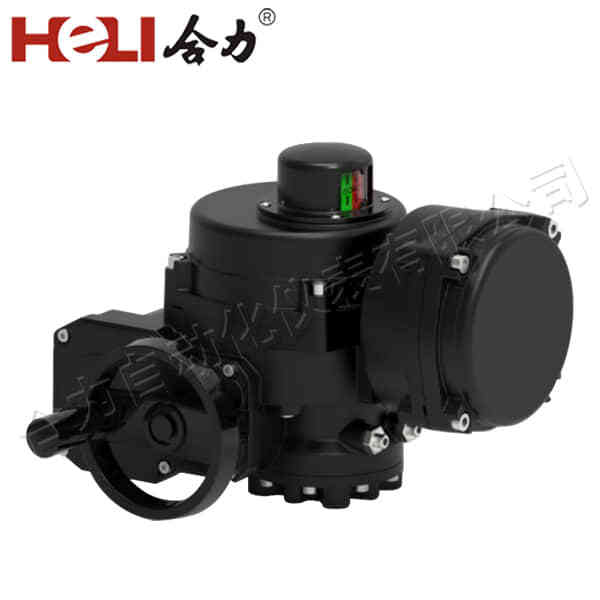
Electric actuators for valves are essential components in modern industrial systems, providing precise and reliable control over the flow of fluids and gases. Whether in the energy sector, water treatment plants, or manufacturing processes, these devices have become a cornerstone in automation and control systems. This article explores the working principles, types, applications, and benefits of electric actuators, shedding light on how they contribute to the efficiency and safety of industrial processes.
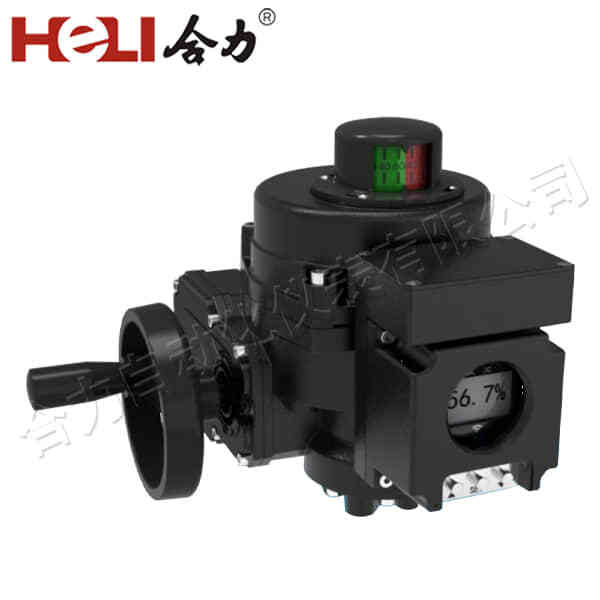
Introduction
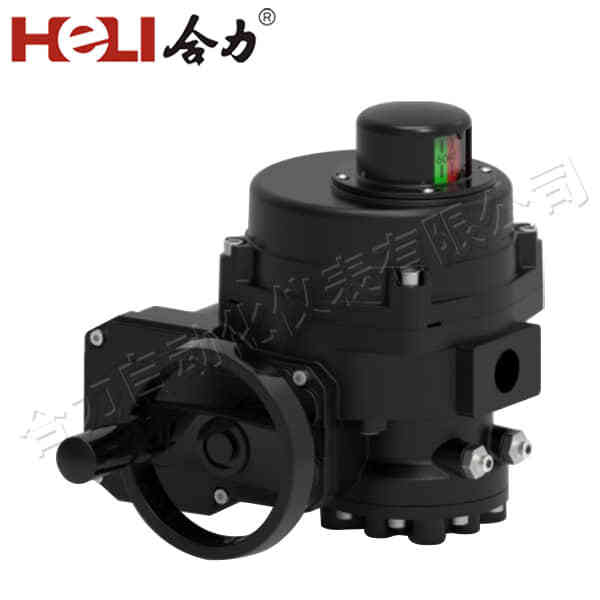
Electric actuators are devices that convert electrical energy into mechanical motion to control the operation of valves in various industrial systems. They are widely used in automation to control the position of valves, ensuring precise regulation of fluid or gas flow. With the increasing demand for efficiency, safety, and remote monitoring, electric actuators have become indispensable tools in industries ranging from oil and gas to water treatment and HVAC systems. Working Principle of Electric Actuators At the core of an electric actuator is an electric motor that drives a mechanical linkage connected to the valve stem. The actuator receives electrical signals, which can be either analog or digital, to move the valve to the desired position. Depending on the actuator type, the electric motor either opens, closes, or adjusts the valve to control the flow rate, pressure, or temperature of the medium being regulated.