Electric single seat regulating valves are essential components in modern industrial automation, offering precise flow control for a variety of fluids such as liquids, gases, and steam. These valves are used to regulate critical process variables like flow rate, pressure, and temperature in numerous industries, including chemical, pharmaceutical, food and beverage, HVAC, and energy. Their ability to provide accurate and reliable performance has made them a popular choice in many control systems.
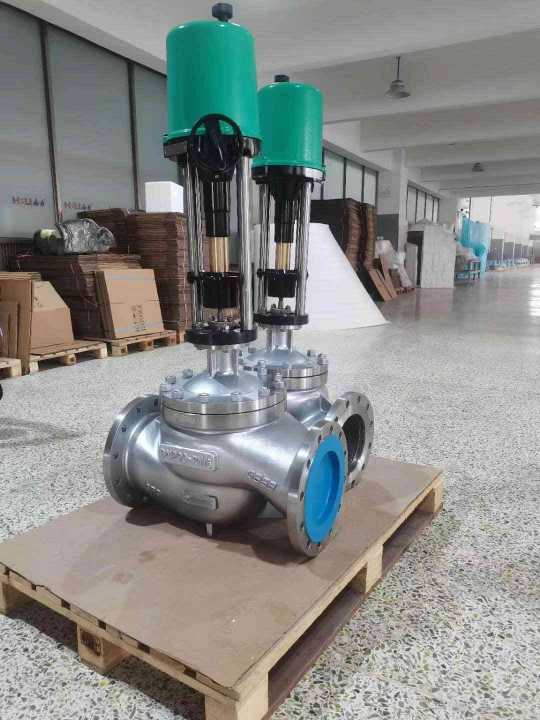
What is an Electric Single Seat Regulating Valve? An electric single seat regulating valve consists of two main components: a valve body with a single seat and an electric actuator. The valve’s seat design refers to the configuration where only a single seating surface is used to control the flow of fluid. The actuator is powered by an electric motor and adjusts the valve’s opening in response to control signals, allowing for fine control of flow rates. The electric actuator is typically paired with a positioner, which ensures that the valve’s position corresponds precisely to the control signal it receives. Common control signals include 4-20mA or 0-10V, which correspond to the flow control requirements. This system enables the electric single seat valve to maintain accuracy over time, making it ideal for applications that require precision and reliability.