Lithium-ion batteries have become the cornerstone of modern energy storage and power supply systems, especially in electric vehicles (EVs), renewable energy storage, and portable electronics. With their high energy density, long cycle life, and relatively low self-discharge rate, lithium batteries are ideal for a wide range of applications. However, one of the critical challenges in managing these batteries is ensuring their safety, reliability, and performance under varying conditions. One technology that plays an important role in improving battery management systems is the Lithium Battery Power Off Reset Valve.
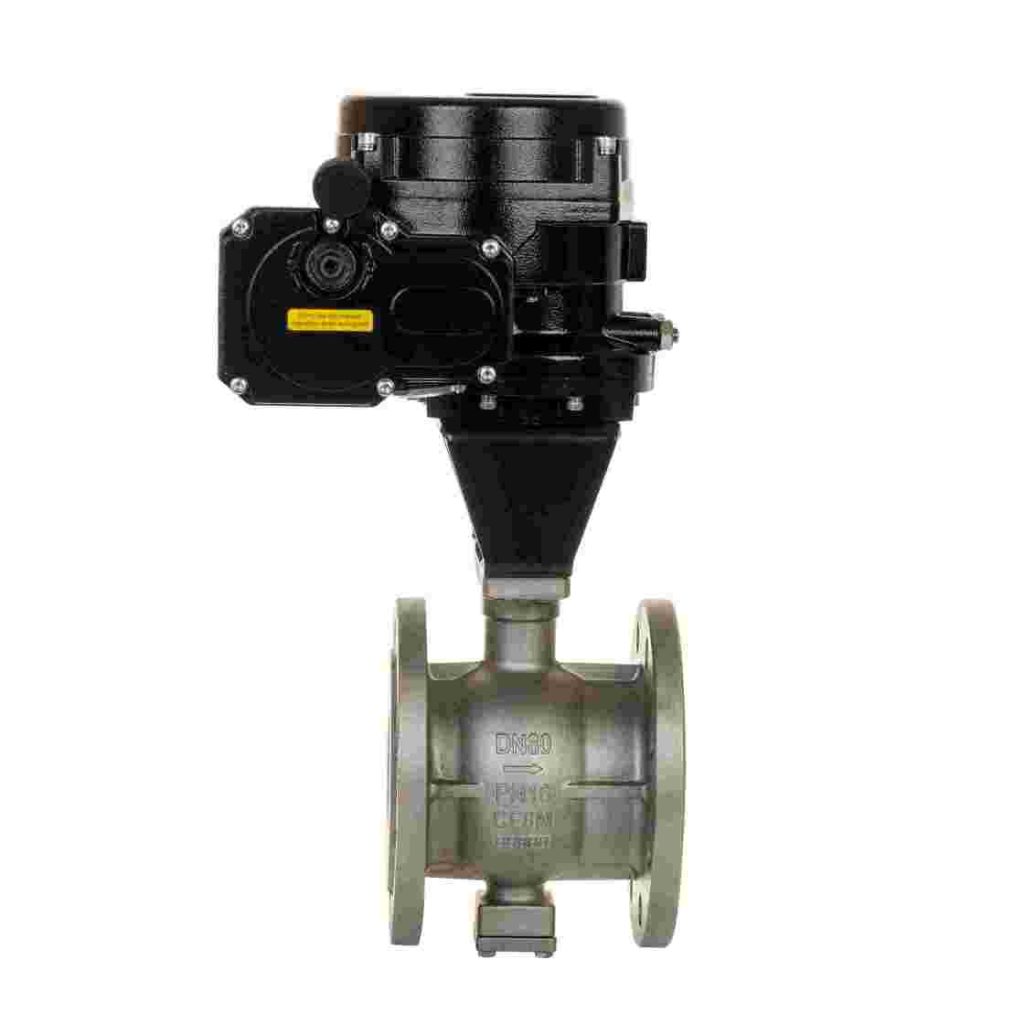
What is the Lithium Battery Power Off Reset Valve?
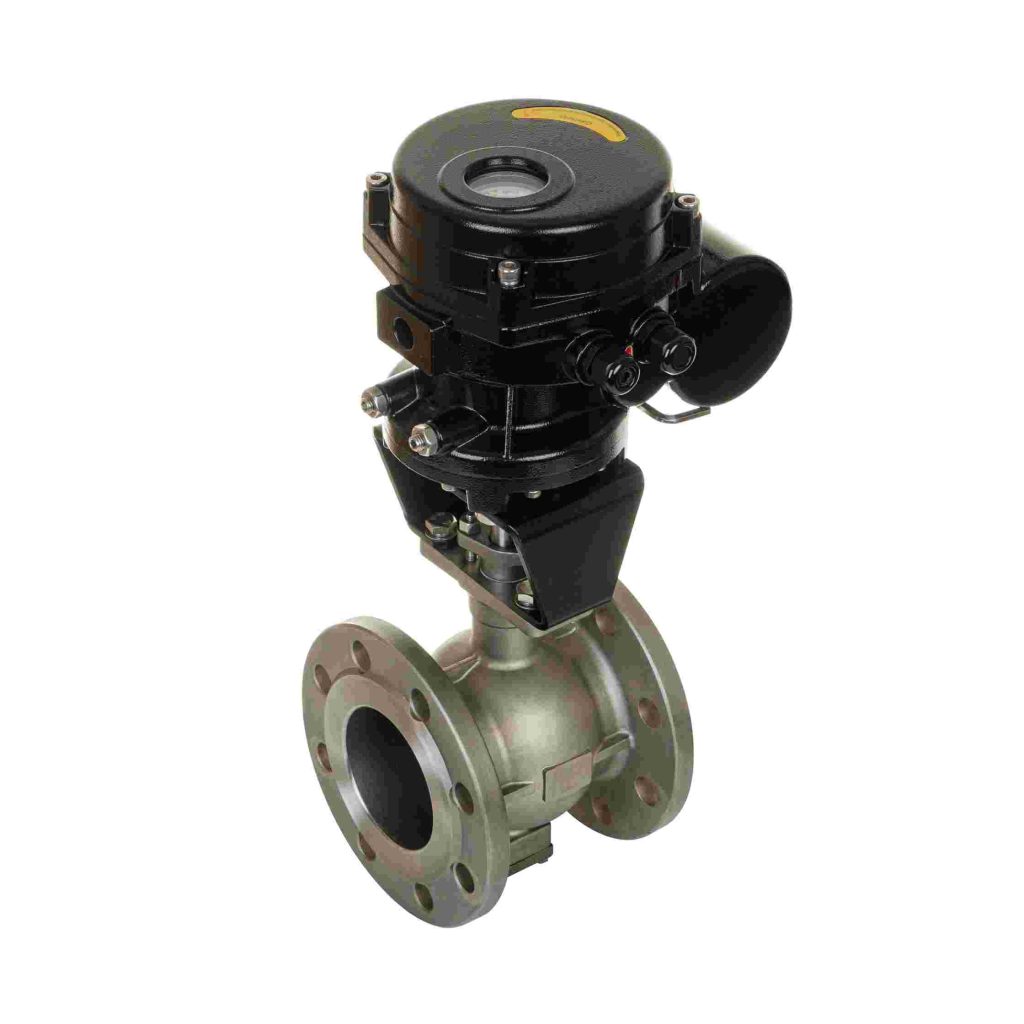
The Lithium Battery Power Off Reset Valve is a safety component designed to prevent over-pressurization within lithium-ion battery cells, which can occur due to internal failures or environmental factors such as high temperatures or short circuits. These valves are integrated into the battery pack or module and act as a safety release mechanism. Their primary function is to reset or release the pressure inside the battery when it exceeds a set threshold, thereby preventing potential damage, overheating, or even catastrophic failures like fires or explosions. When the battery reaches critical levels of internal pressure—usually as a result of thermal runaway, a chemical reaction, or excessive charging—the valve activates. The reset function allows the valve to “reset” and re-seal itself once the conditions that caused the overpressure are resolved, offering a safer environment for the battery to continue functioning normally. This design prevents the need for a full system shutdown, ensuring that the battery can return to a safe operating state.