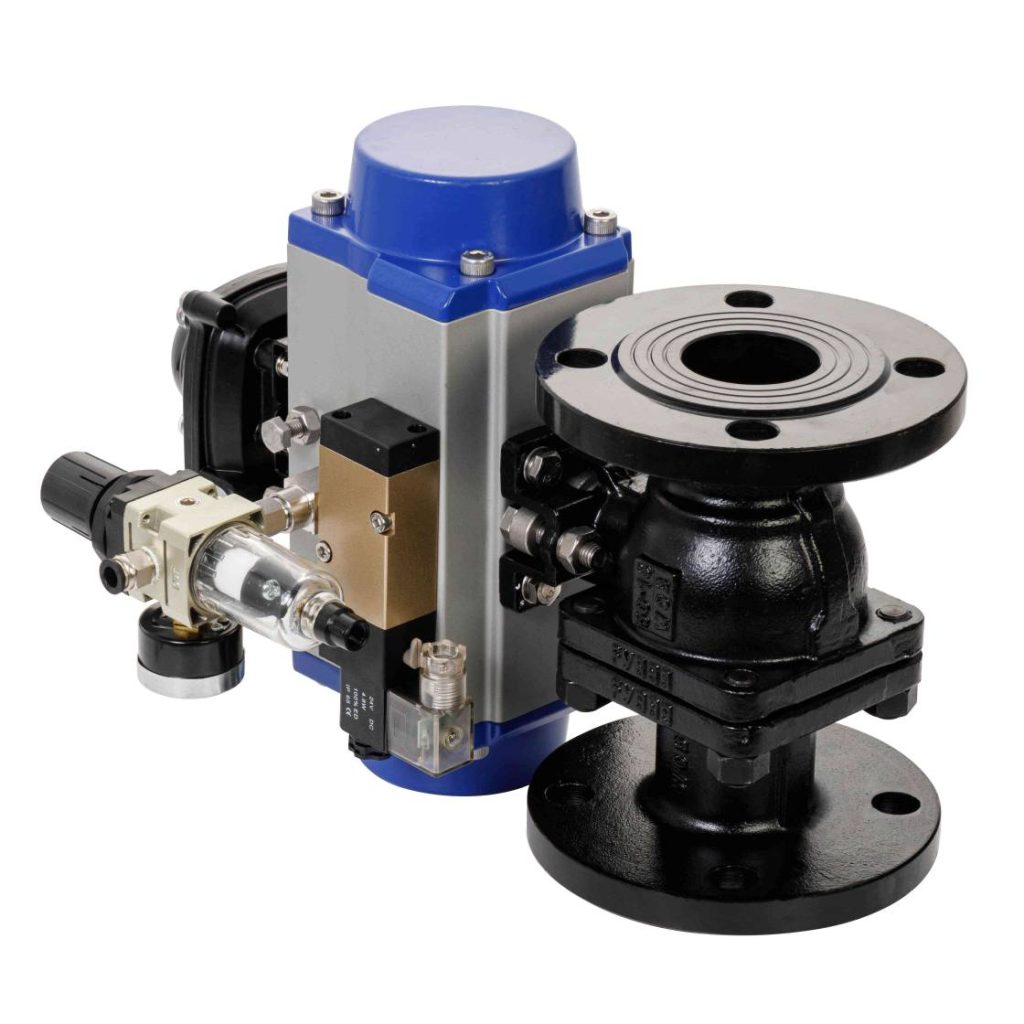
Pneumatic ball valves are essential components in many industrial applications, where precise and reliable control of fluid flow is crucial. These valves are driven by compressed air, and they offer a combination of quick response times, safety features, and ease of integration into automated systems. In this article, we will explore the working principle, key advantages, and applications of pneumatic ball valves.
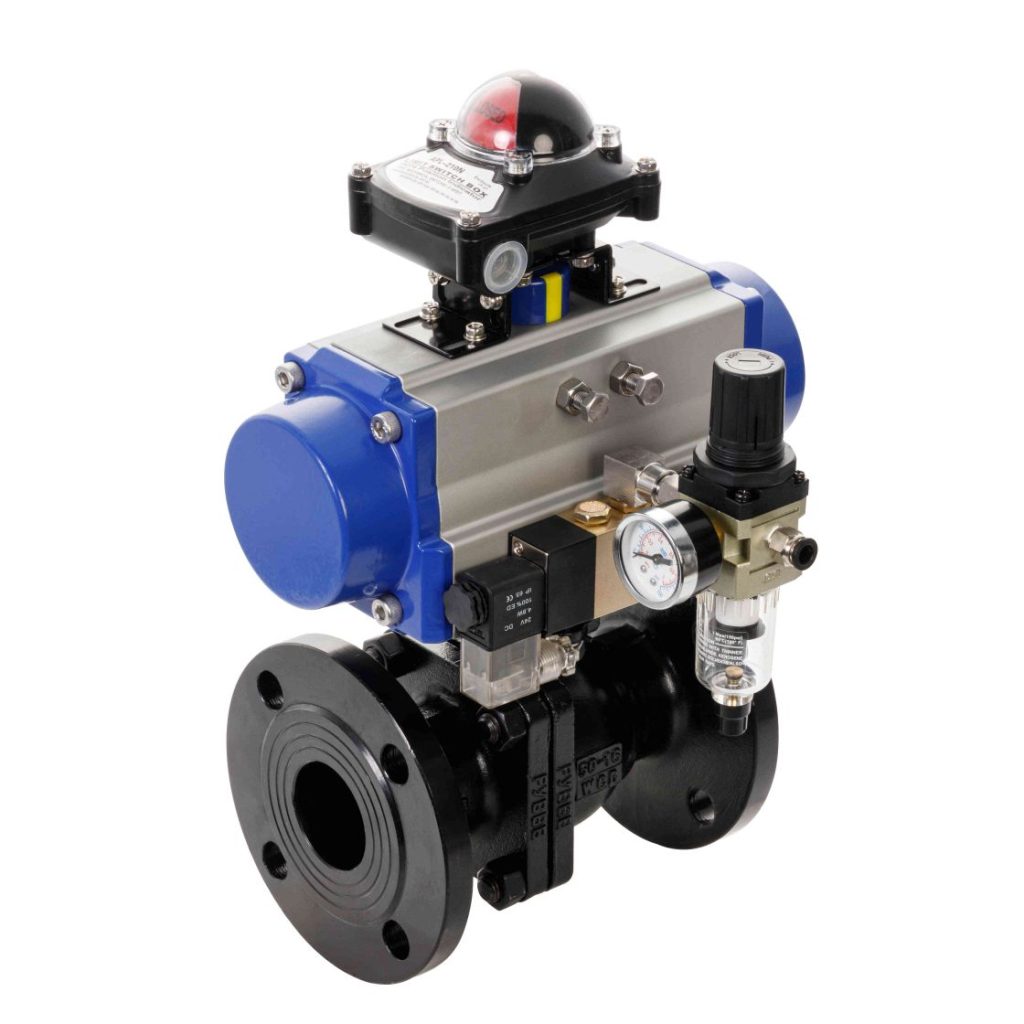
Working Principle of Pneumatic Ball Valves
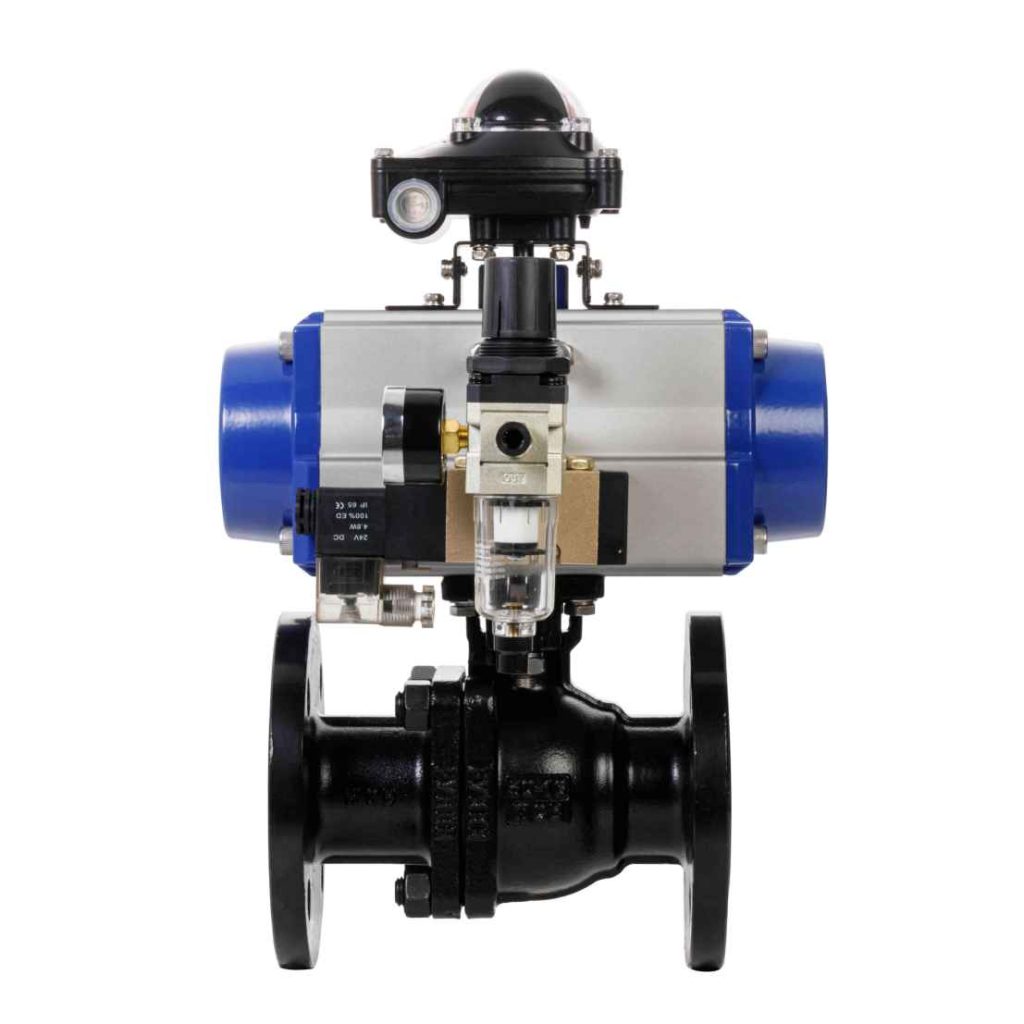
At its core, a pneumatic ball valve consists of a spherical ball with a hole through the center, known as the port. The position of this ball determines whether the valve is open or closed. When the ball is aligned with the pipe, fluid can pass through, and the valve is considered open. Conversely, when the ball rotates 90 degrees to block the flow, the valve is closed. The rotation of the ball is controlled by a pneumatic actuator. This actuator uses compressed air to rotate the valve stem, which in turn moves the ball inside the valve. Pneumatic actuators are divided into two types: single-acting and double-acting.