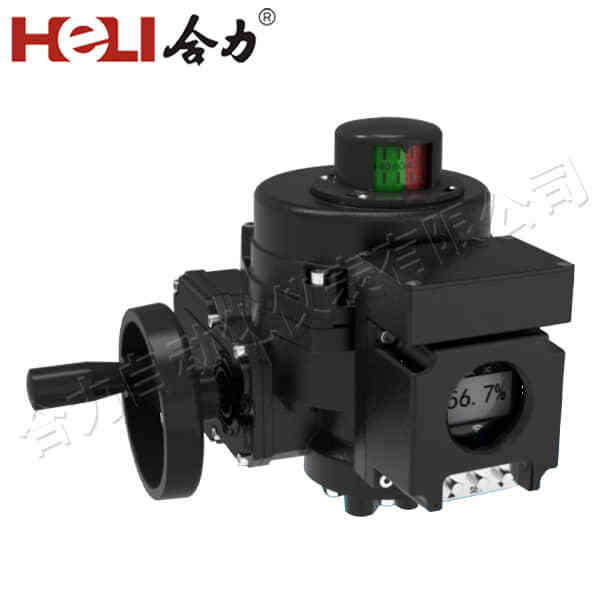
In the fast-evolving landscape of industrial automation, the importance of electric actuators cannot be overstated. These devices, which convert electrical energy into mechanical motion, are integral to a wide array of applications across various industries. From regulating valves in a chemical plant to controlling the position of solar panels in the energy sector, electric actuators play a crucial role in ensuring efficient, precise, and reliable operations. As a result, the demand for high-quality electric actuators has led to the rise of specialized manufacturers focused on providing these advanced solutions.
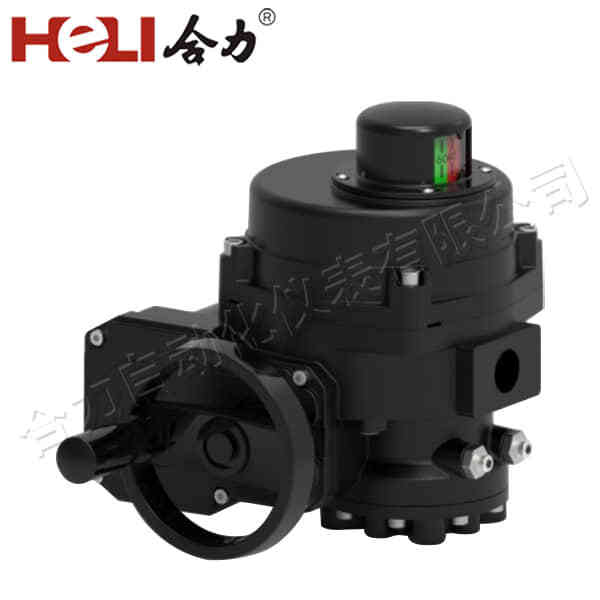
The Core Functionality of Electric Actuators
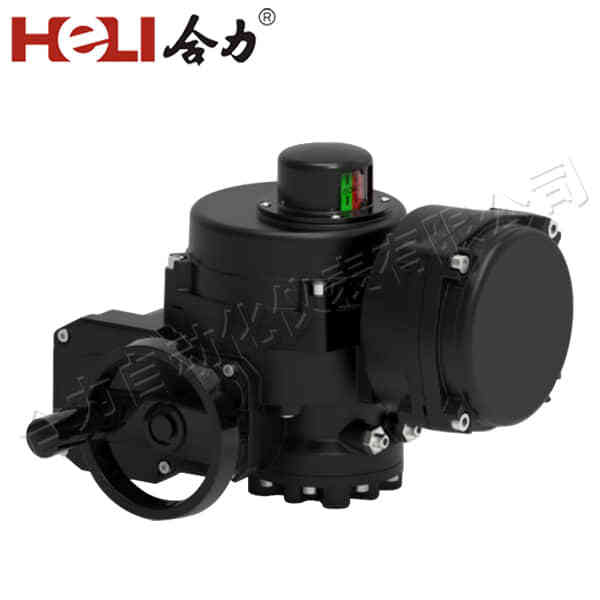
An electric actuator is a device that uses electrical energy to produce mechanical movement, which can be linear or rotational. The linear actuators create straight-line motion, often used for applications like valve operation or pushing/pulling tasks. Rotational actuators, on the other hand, produce rotational motion and are typically used for controlling the position of valves, gates, or other similar devices. Electric actuators are often chosen over pneumatic or hydraulic actuators due to their precision, ease of control, and adaptability to different environments. They are widely employed in industries such as manufacturing, oil and gas, power generation, automotive, and building automation. The increasing focus on energy efficiency and automation in these sectors has further driven the growth of the electric actuator market.