Lithium-ion batteries have become a cornerstone of modern energy storage solutions, powering everything from portable electronics to electric vehicles. As the demand for these energy-dense batteries increases, ensuring their safety becomes paramount. One crucial component that plays a significant role in maintaining battery safety is the valve, specifically the WCB Lithium Battery Valve. This article delves into the importance of the WCB valve, its functionality, and how it enhances the safety and performance of lithium battery systems.
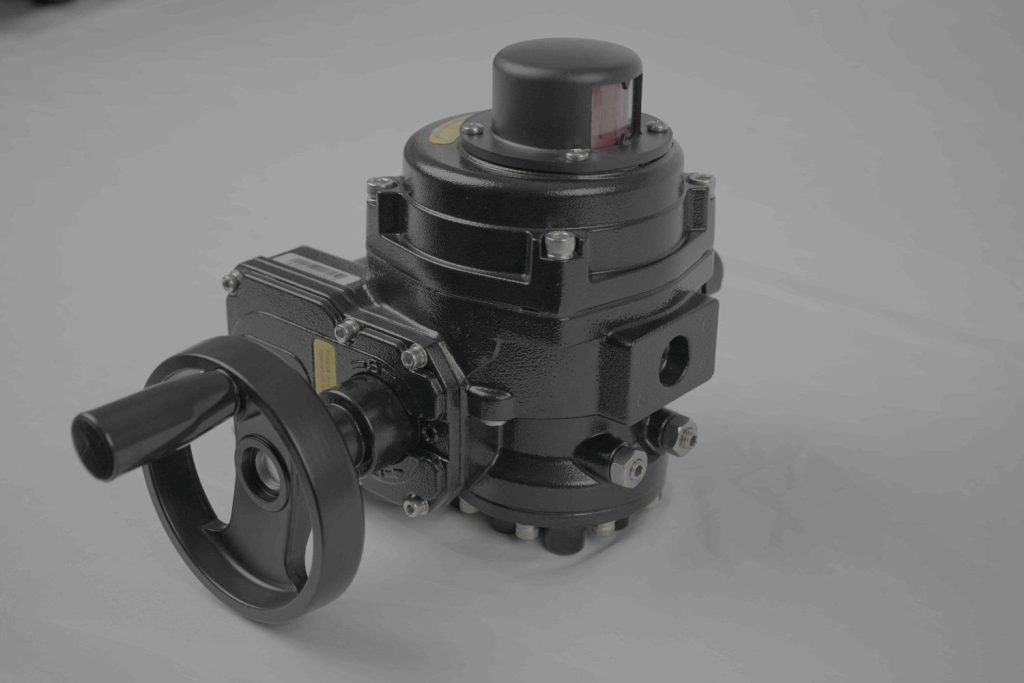
The Role of the WCB Lithium Battery Valve The WCB Lithium Battery Valve is designed to regulate and control the internal pressure and temperature of a lithium battery. In lithium-ion batteries, particularly those used in high-capacity applications, managing internal conditions is critical for preventing safety hazards such as overheating, leakage, or even thermal runaway—a dangerous condition that can lead to fires or explosions. One of the primary functions of the WCB Lithium Battery Valve is to act as a pressure relief valve. In the event of an abnormal increase in pressure—often caused by excessive charging, short-circuiting, or thermal stress—the valve opens to release the built-up pressure. This prevents the battery from rupturing or bursting, which could lead to catastrophic consequences. The WCB valve thus serves as a vital safeguard against potential damage and injury.