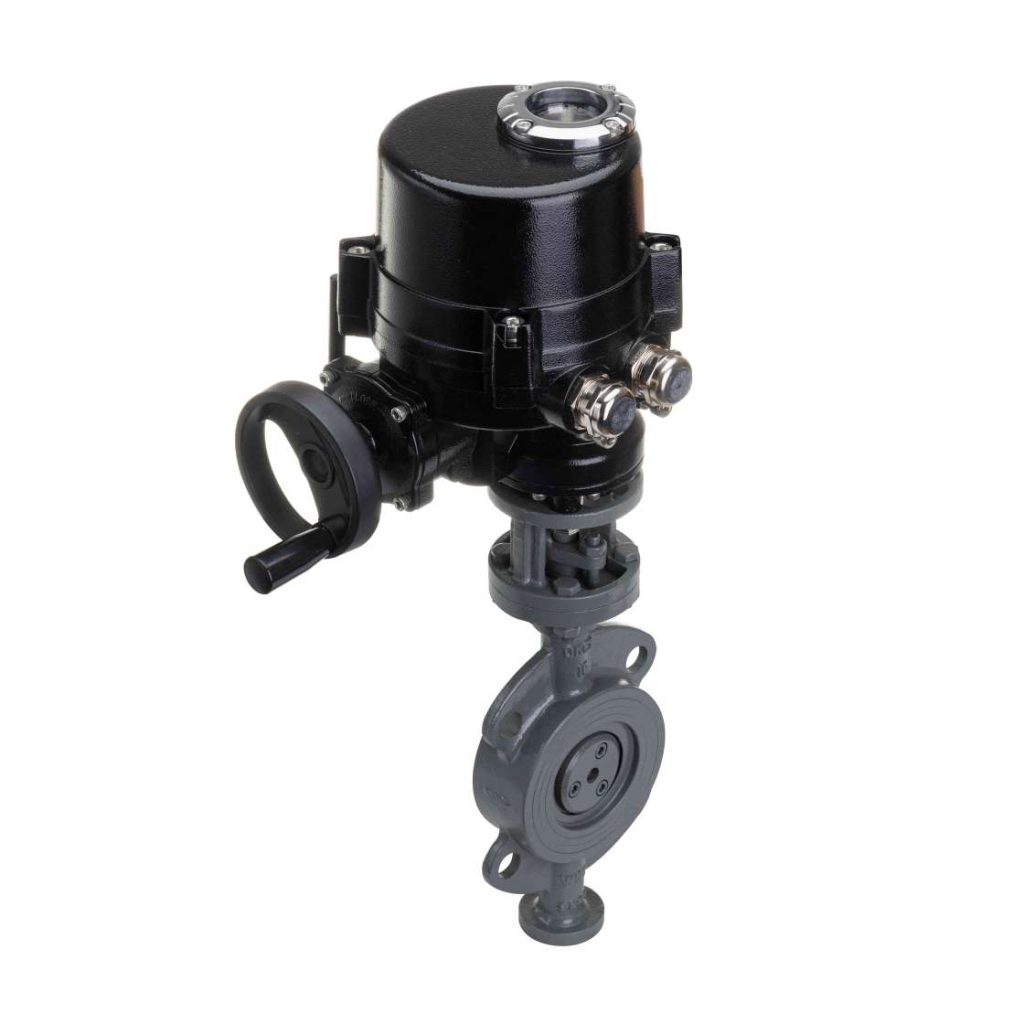
The marine industry, particularly in shipbuilding and operations, relies heavily on high-quality and efficient components to ensure smooth functioning. One such vital component is the Marine Electric Butterfly Valve. This valve is crucial in various fluid control systems on board vessels, from cargo ships to luxury yachts. In this article, we will explore the features, functions, and advantages of Marine Electric Butterfly Valves and their significance in modern marine engineering.
What is a Marine Electric Butterfly Valve?
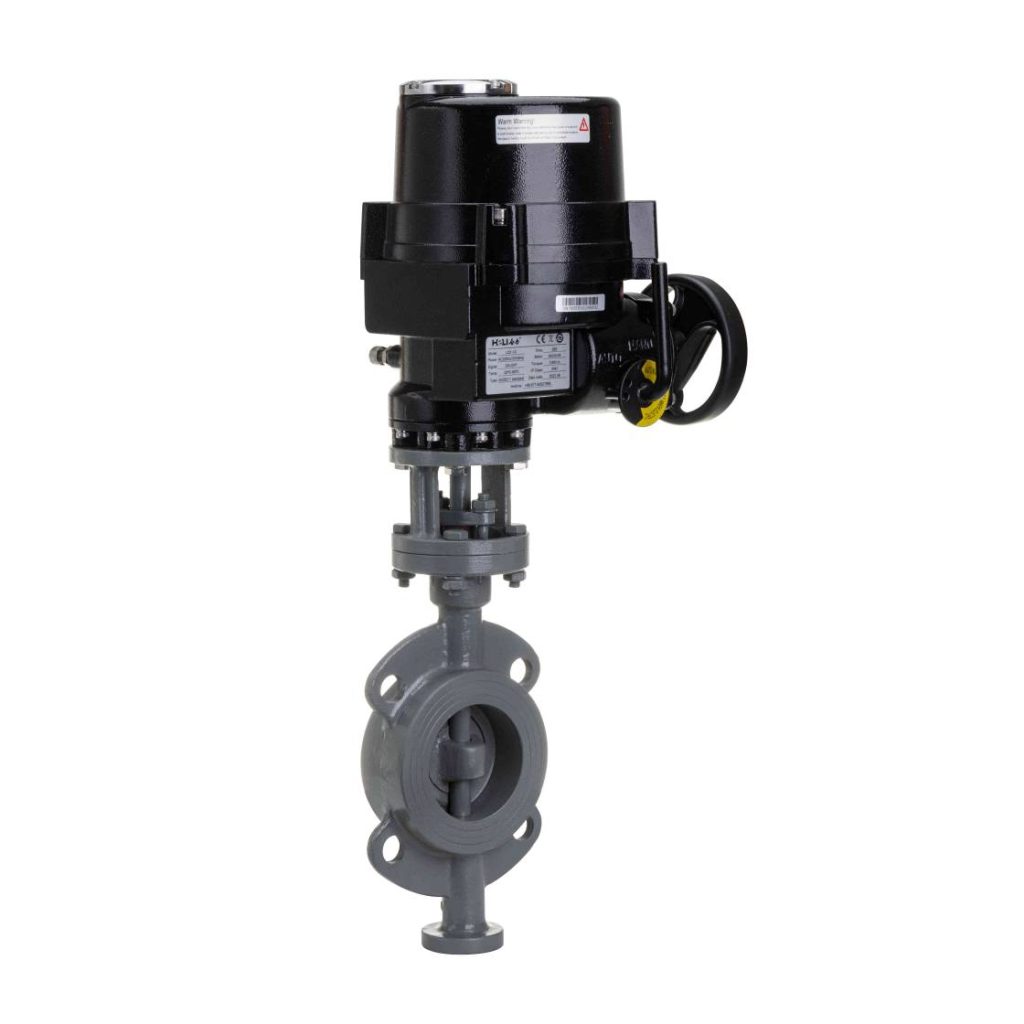
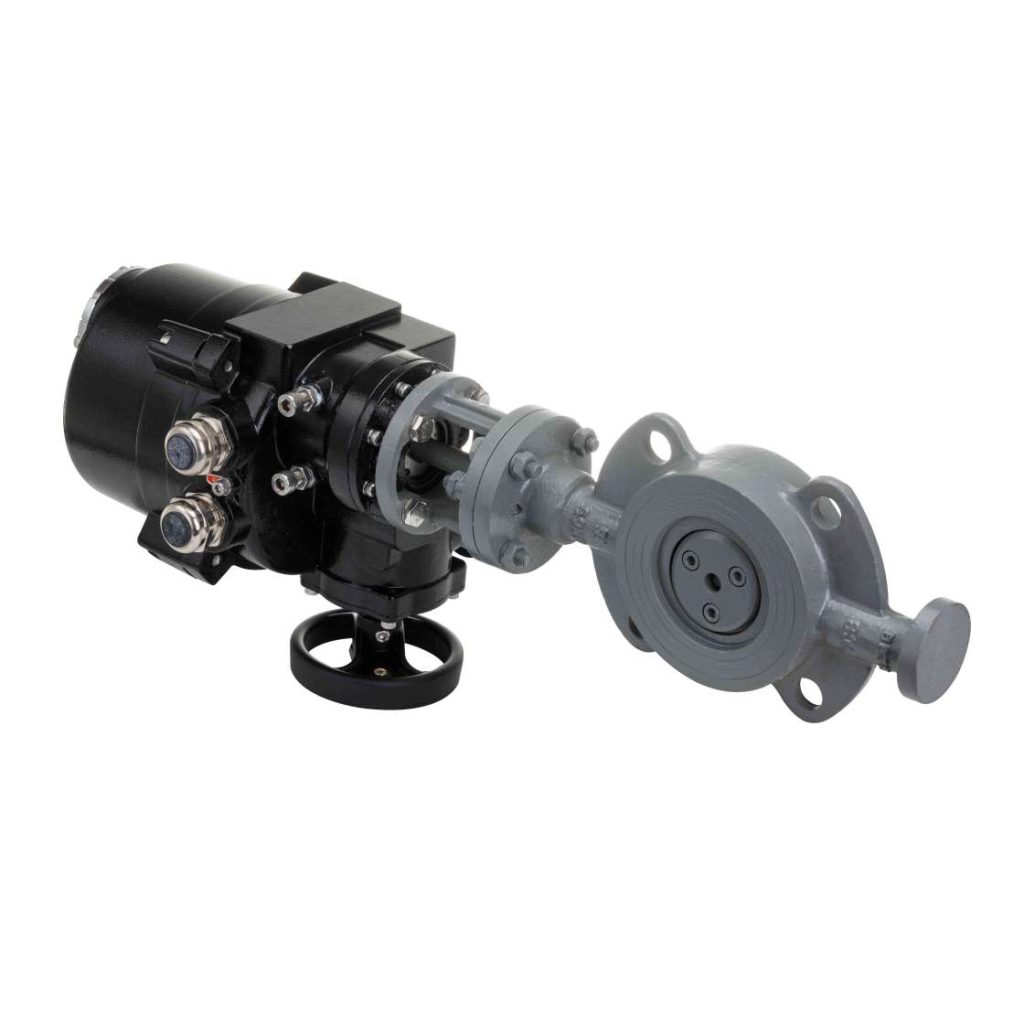
A Marine Electric Butterfly Valve is a mechanical device used to regulate the flow of fluids or gases in a piping system aboard marine vessels. It consists of a circular disc mounted on a shaft, which rotates to either open or close the valve. The “butterfly” refers to the valve’s disk shape, which resembles a butterfly’s wings when open. The “electric” aspect refers to the motorized actuator that drives the rotation of the valve’s disc, making it easy to control remotely. The electric actuator is powered by the vessel’s electrical system and can be operated by control systems, sensors, or manual overrides. These valves are designed to operate effectively in harsh marine environments, ensuring reliable performance and long-lasting durability even under extreme conditions such as saltwater exposure, humidity, and high-pressure systems.