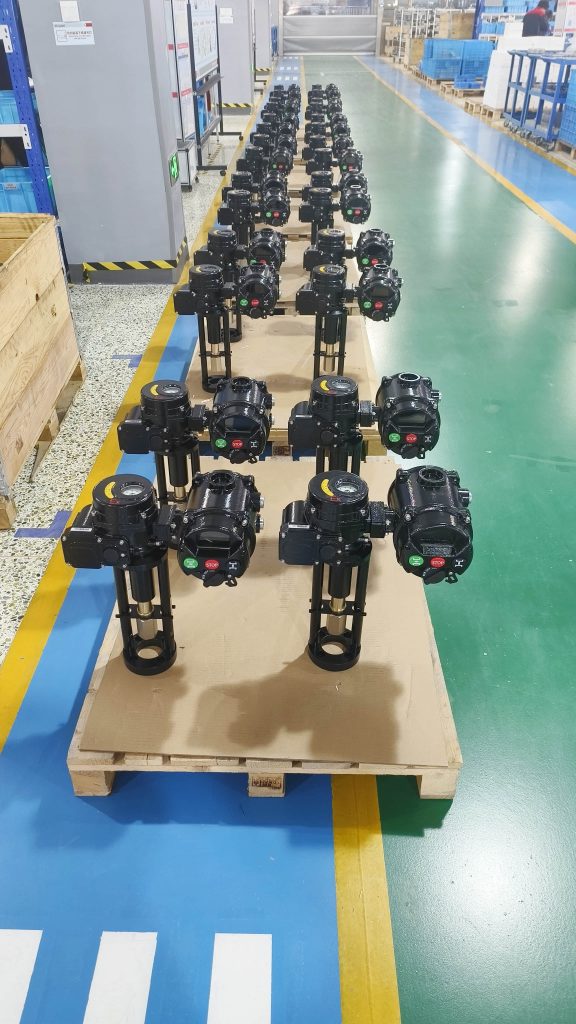
In the realm of modern automation and control systems, the Intelligent Integrated Electric Actuator (IIEA) stands out as a critical innovation. This advanced device combines the functionality of electric actuators with sophisticated control and communication systems, offering numerous benefits to industries across the globe. With its high integration, precision, and adaptability, the IIEA is revolutionizing various sectors, from industrial automation to robotics and aerospace. This article explores the evolution, components, advantages, and diverse applications of Intelligent Integrated Electric Actuators.
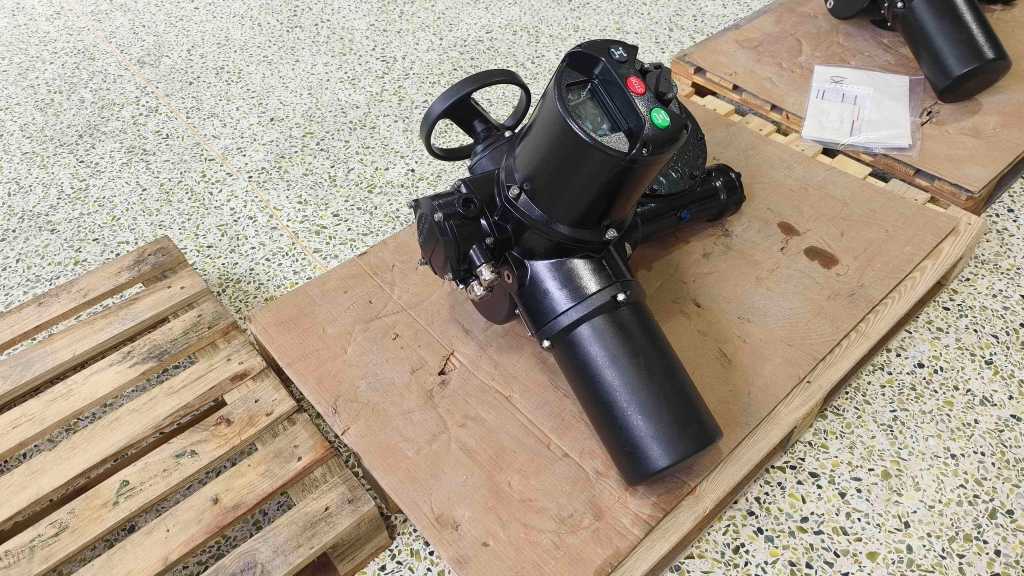
What is an Intelligent Integrated Electric Actuator?
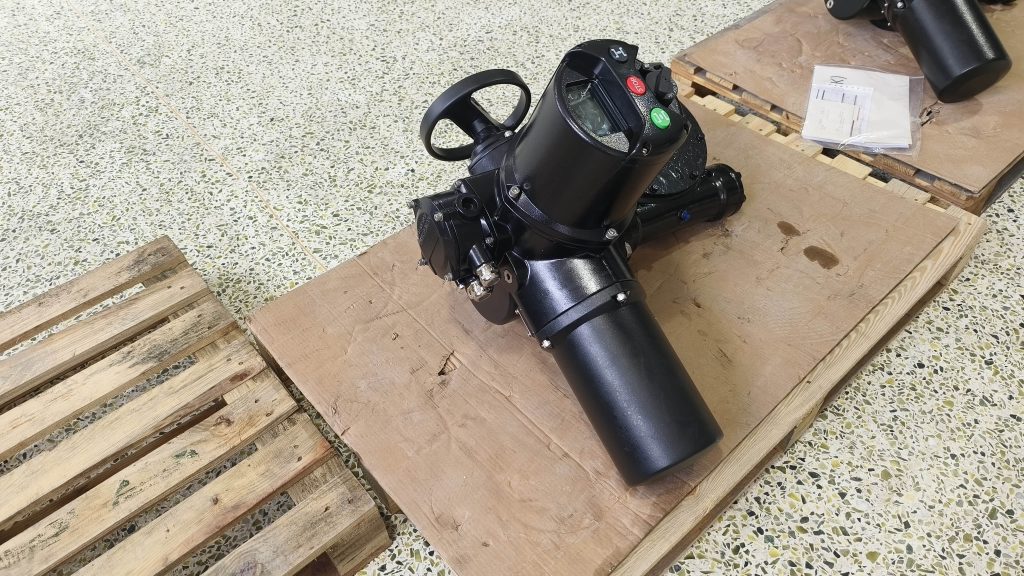
An Intelligent Integrated Electric Actuator is an electromechanical device that converts electrical energy into mechanical motion, specifically designed for tasks requiring precise control. Unlike traditional actuators, which rely on separate components like motors, controllers, and sensors, the IIEA integrates these elements into a single, compact unit. This integration allows for more efficient, reliable, and flexible operation, with built-in intelligence for real-time performance monitoring and adaptation.
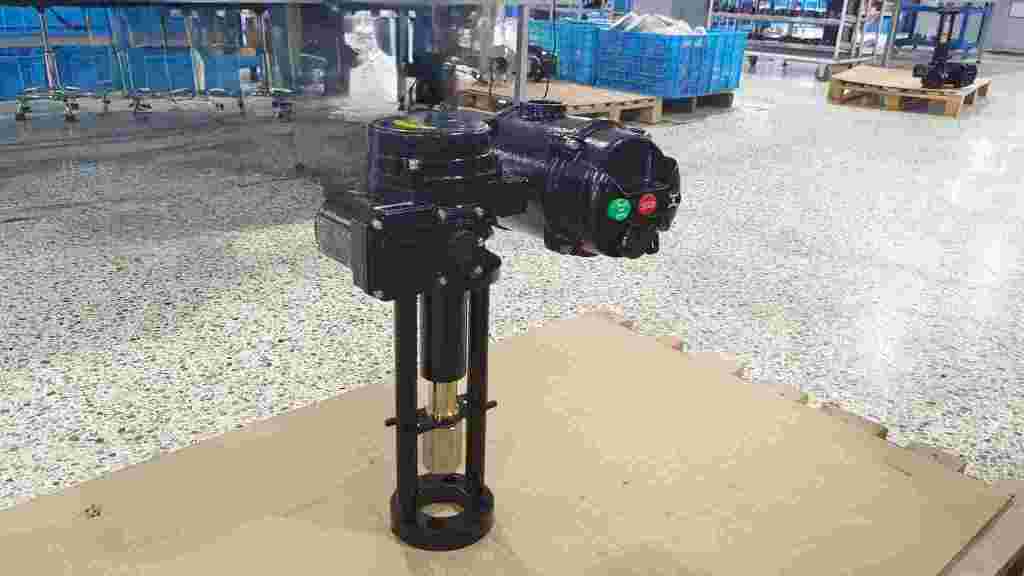
Key Components of the Intelligent Integrated Electric Actuator
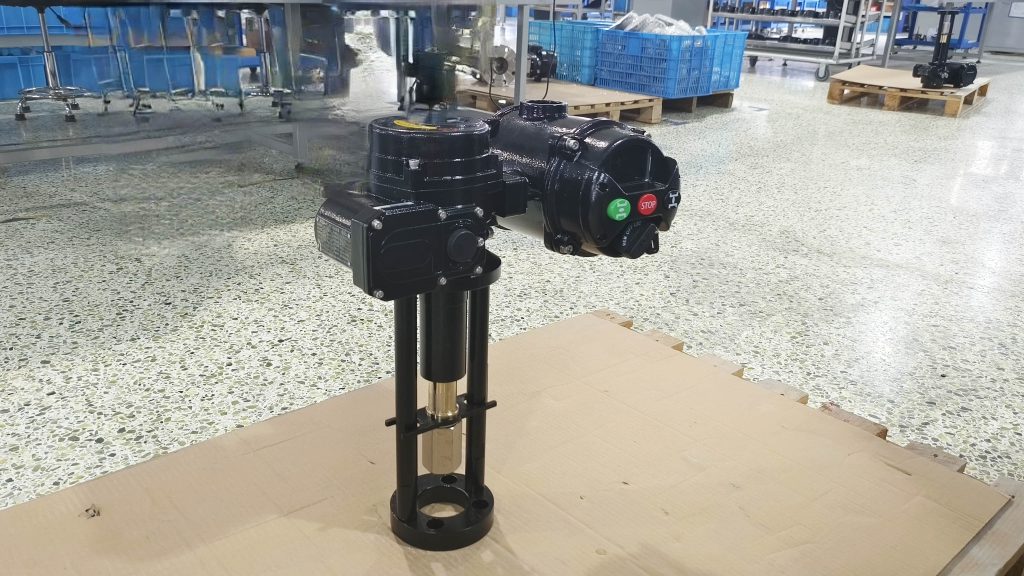
The core functionality of an IIEA arises from its integrated components, which typically include:
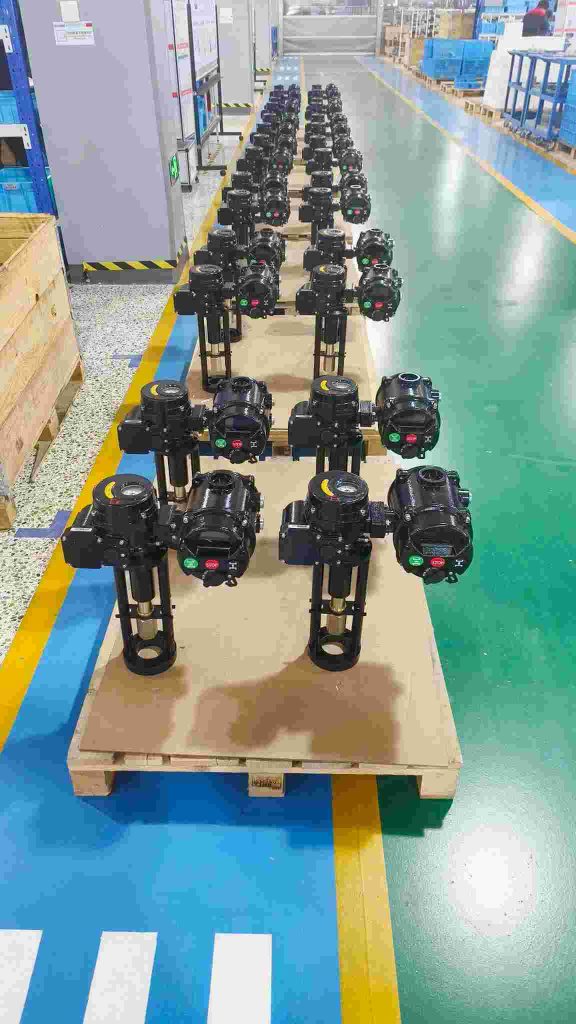
Electric Motor: The motor drives the mechanical movement by converting electrical energy into motion. Controller: A microcontroller or embedded system that interprets input signals and determines the appropriate output to the actuator, providing intelligence to the system. Sensors: These monitor key parameters such as position, speed, torque, and temperature, ensuring the actuator operates within optimal conditions. Communication Interface: Most IIEAs feature a communication protocol such as CAN bus, Modbus, or Ethernet, enabling seamless integration with other automation systems and providing remote monitoring and diagnostics.