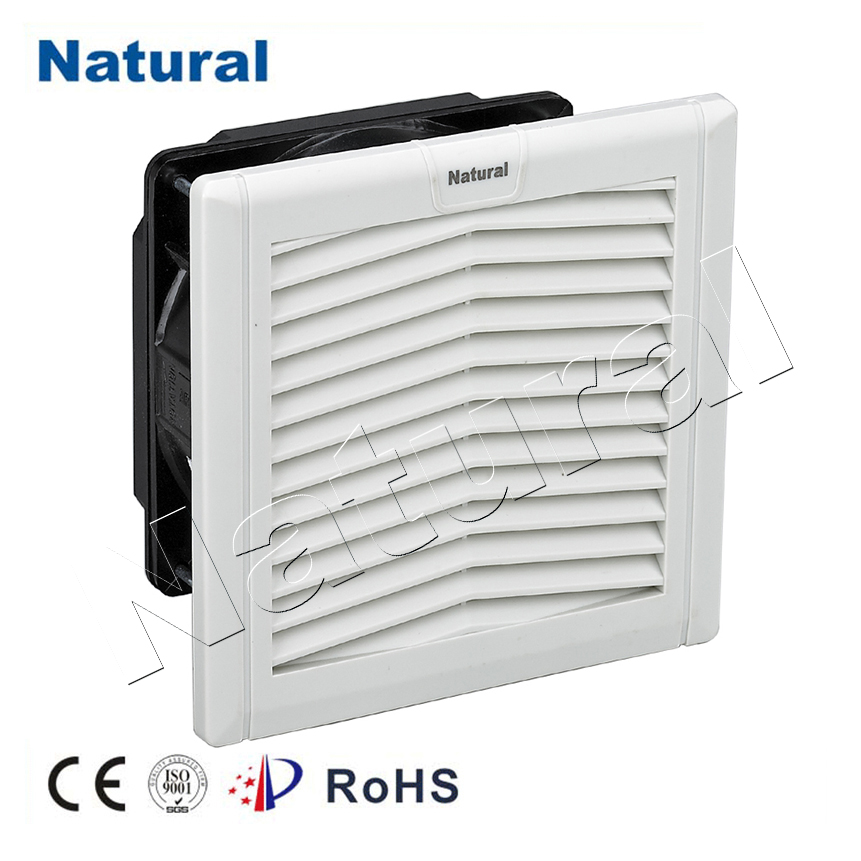
Cooling fan filters are integral components in maintaining the longevity and efficiency of cooling systems. In a wide variety of applications—from computer systems and home appliances to industrial machinery and electronic devices—cooling fans play a crucial role in dissipating heat. However, the effectiveness of these cooling systems can be compromised by dirt, dust, and debris that accumulate over time. Cooling fan filters are specifically designed to address this problem by preventing particles from entering the fan or the equipment it cools. This article explores the importance, types, and benefits of cooling fan filters, shedding light on how they contribute to the overall performance and lifespan of electronic systems.
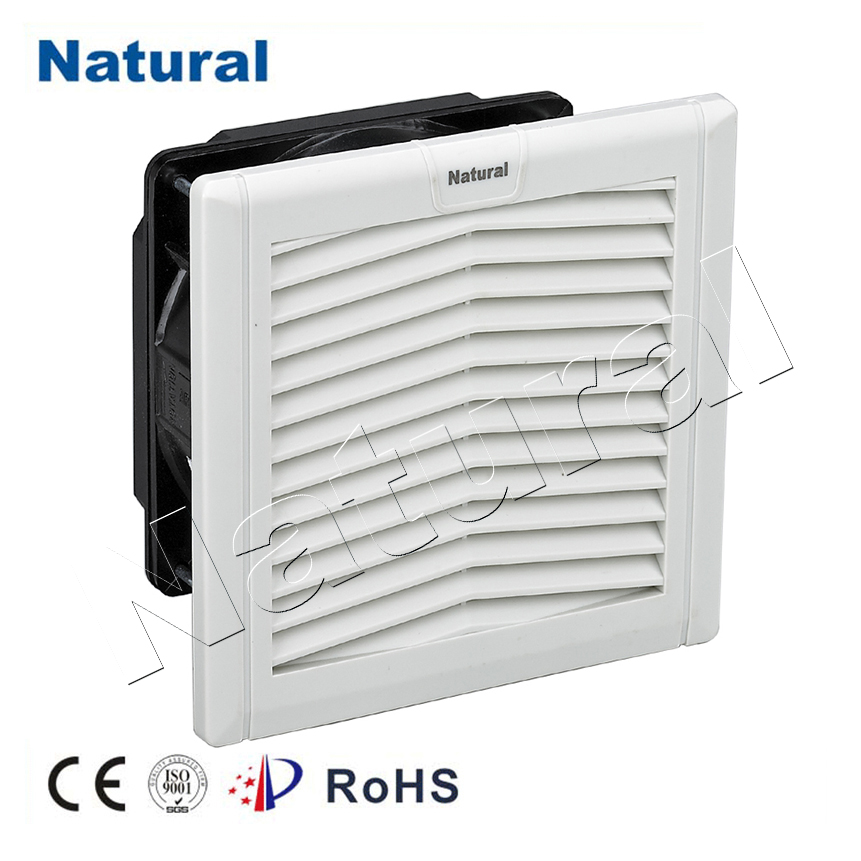
The Role of Cooling Fan Filters
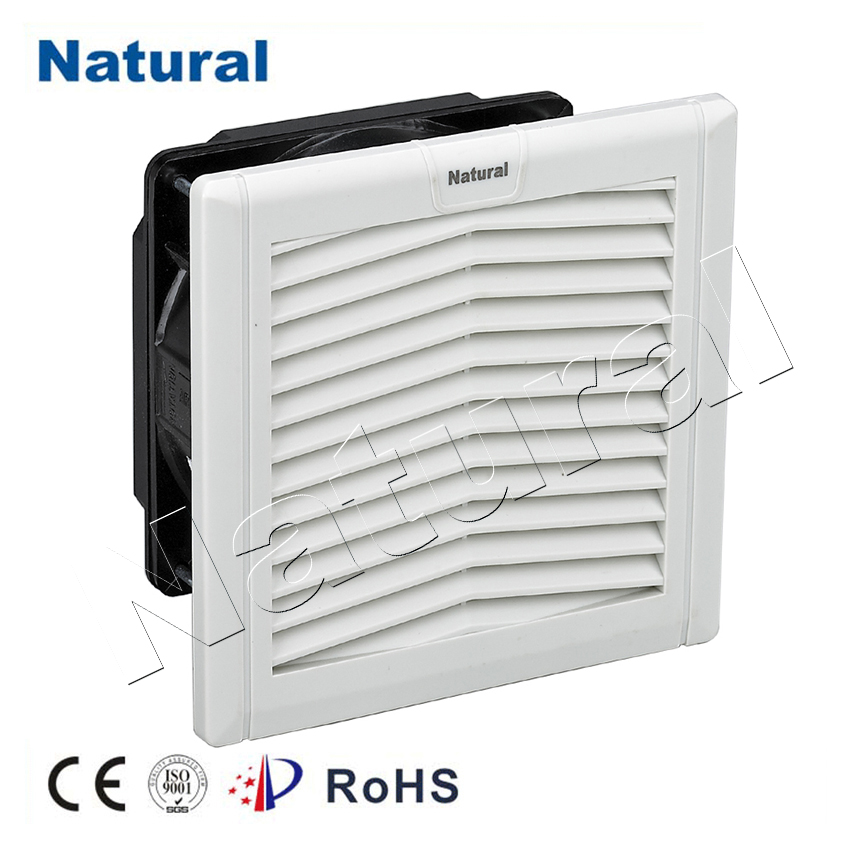
Cooling systems rely on fans to move air through equipment, thereby reducing the internal temperature of devices. However, without a cooling fan filter, air moving through the fan could bring along unwanted particles, such as dust, dirt, and pet hair. These particles can clog the fan blades, reduce airflow efficiency, and even cause permanent damage to sensitive internal components. In high-performance applications like servers, computers, or industrial machinery, these issues can lead to overheating, equipment failure, and decreased system performance. Cooling fan filters effectively mitigate these risks by trapping particles before they can enter the fan or the cooling system. As a result, these filters ensure that only clean air circulates within the system, enhancing the fan’s ability to cool and prolonging the lifespan of the equipment.