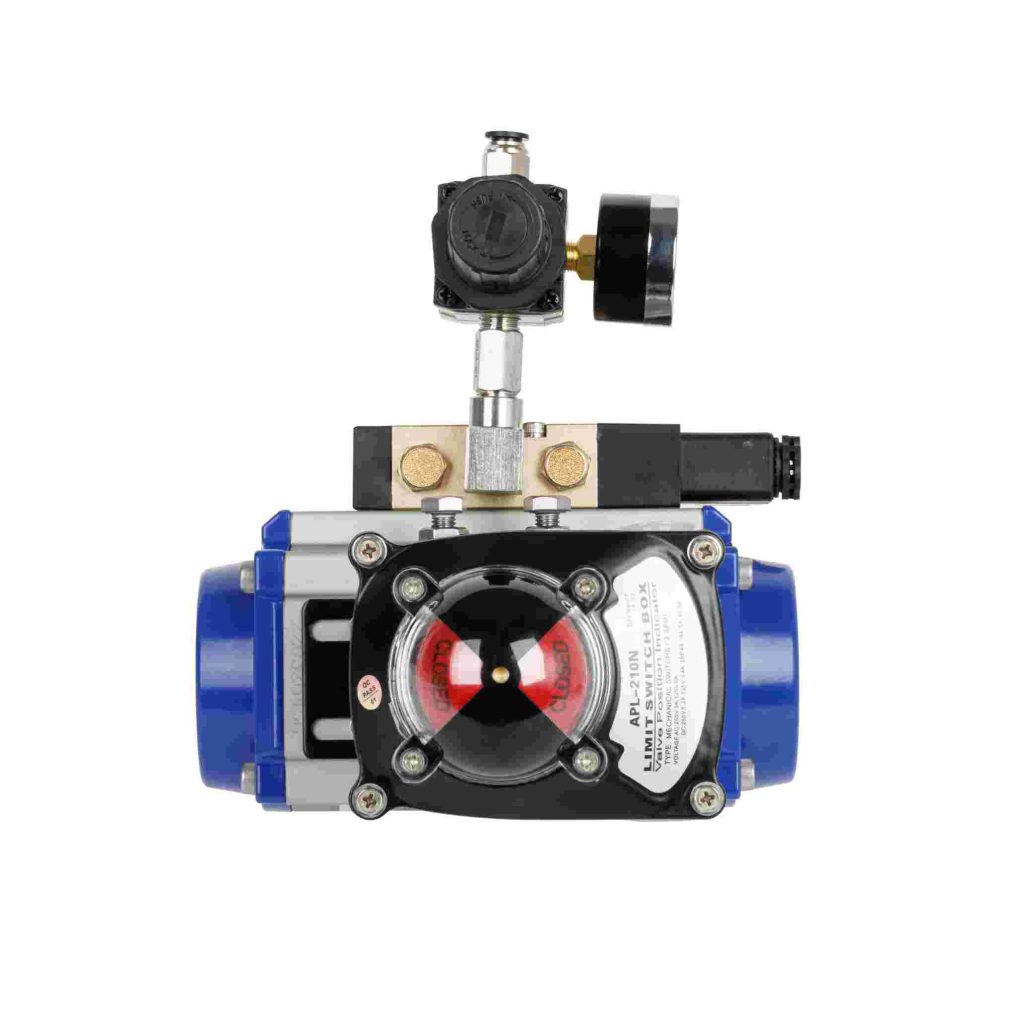
Hydrogen energy has emerged as one of the most promising alternatives to fossil fuels in the quest for cleaner and more sustainable power sources. Among the innovative applications of hydrogen energy, hydrogen-powered pneumatic actuators are gaining attention for their potential to revolutionize industries by offering an efficient, eco-friendly alternative to traditional energy sources. This article explores the concept of hydrogen energy pneumatic actuators, their operation, benefits, challenges, and potential applications.
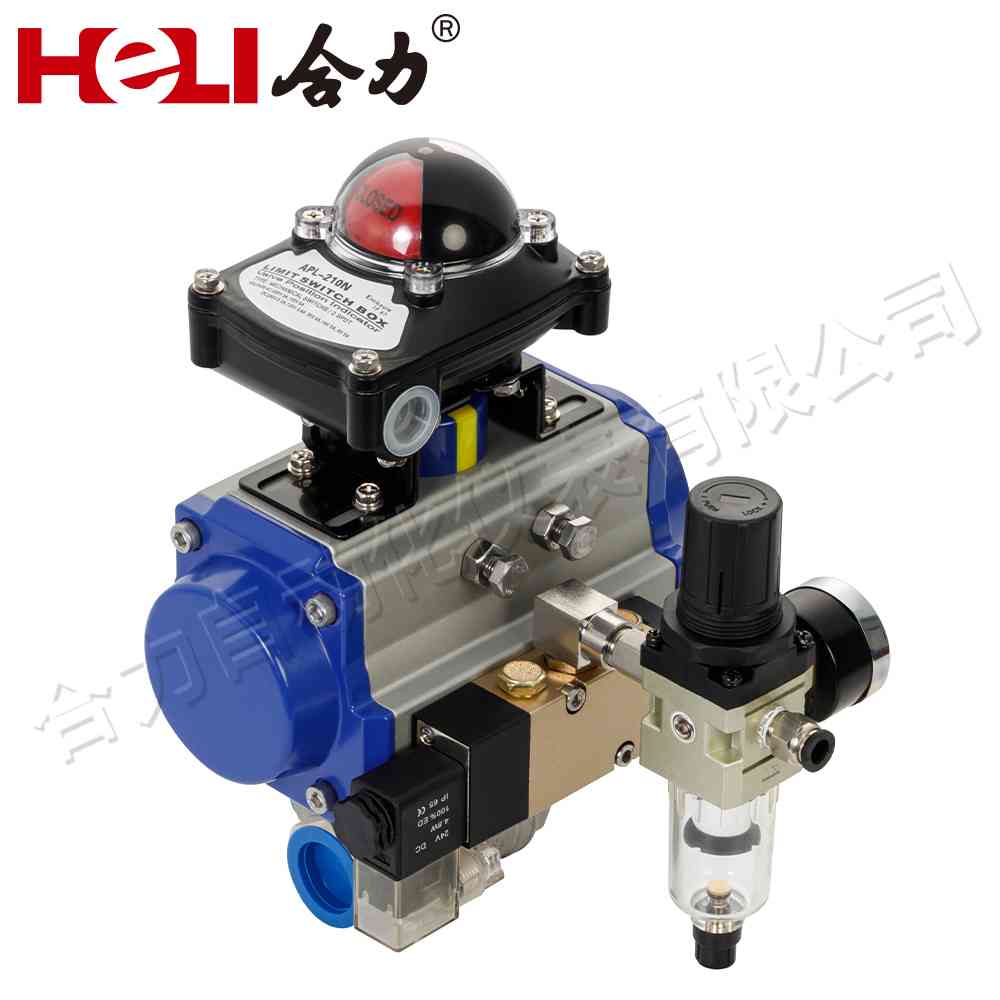
What is a Hydrogen Energy Pneumatic Actuator?
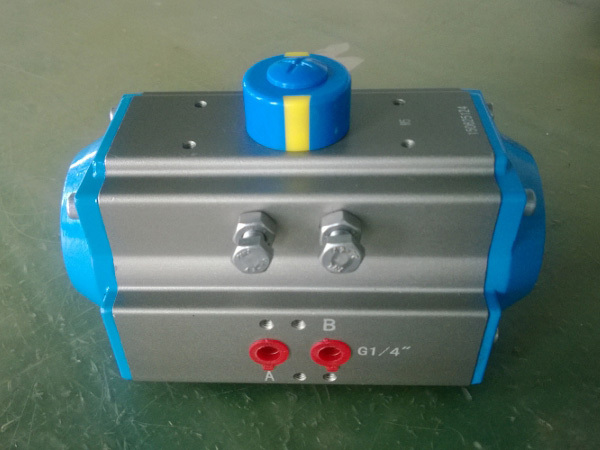
A pneumatic actuator is a device that uses compressed air or gas to create mechanical movement, typically by pushing or pulling a piston within a cylinder. The innovation behind hydrogen energy pneumatic actuators lies in replacing traditional compressed air with hydrogen gas as the energy source. In this system, compressed hydrogen gas is used to generate motion, converting chemical energy stored in the gas into mechanical work. Hydrogen, when used as an energy carrier, offers several advantages over traditional sources such as compressed air or electricity. The high energy density of hydrogen allows these actuators to generate more power in a smaller and lighter package. Additionally, hydrogen is a clean energy source, emitting only water vapor when it undergoes combustion or reacts with oxygen.