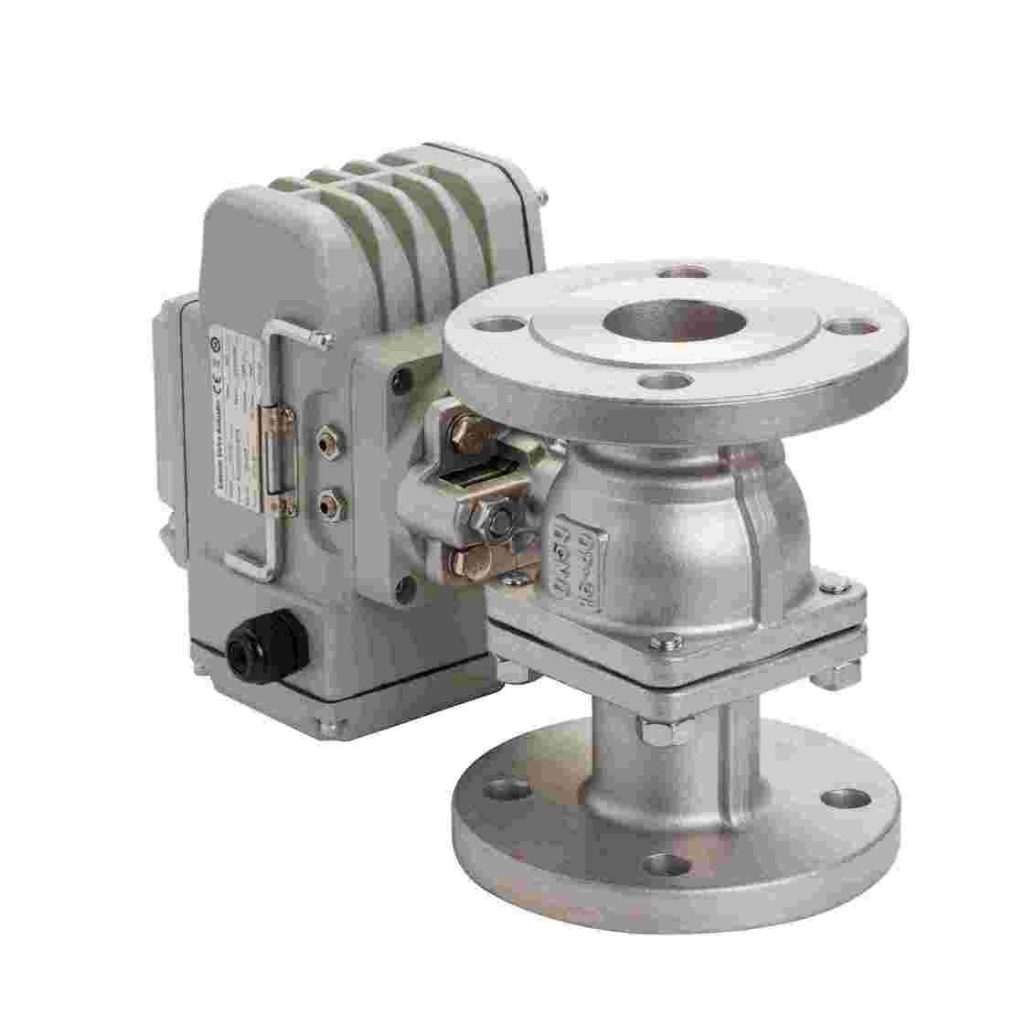
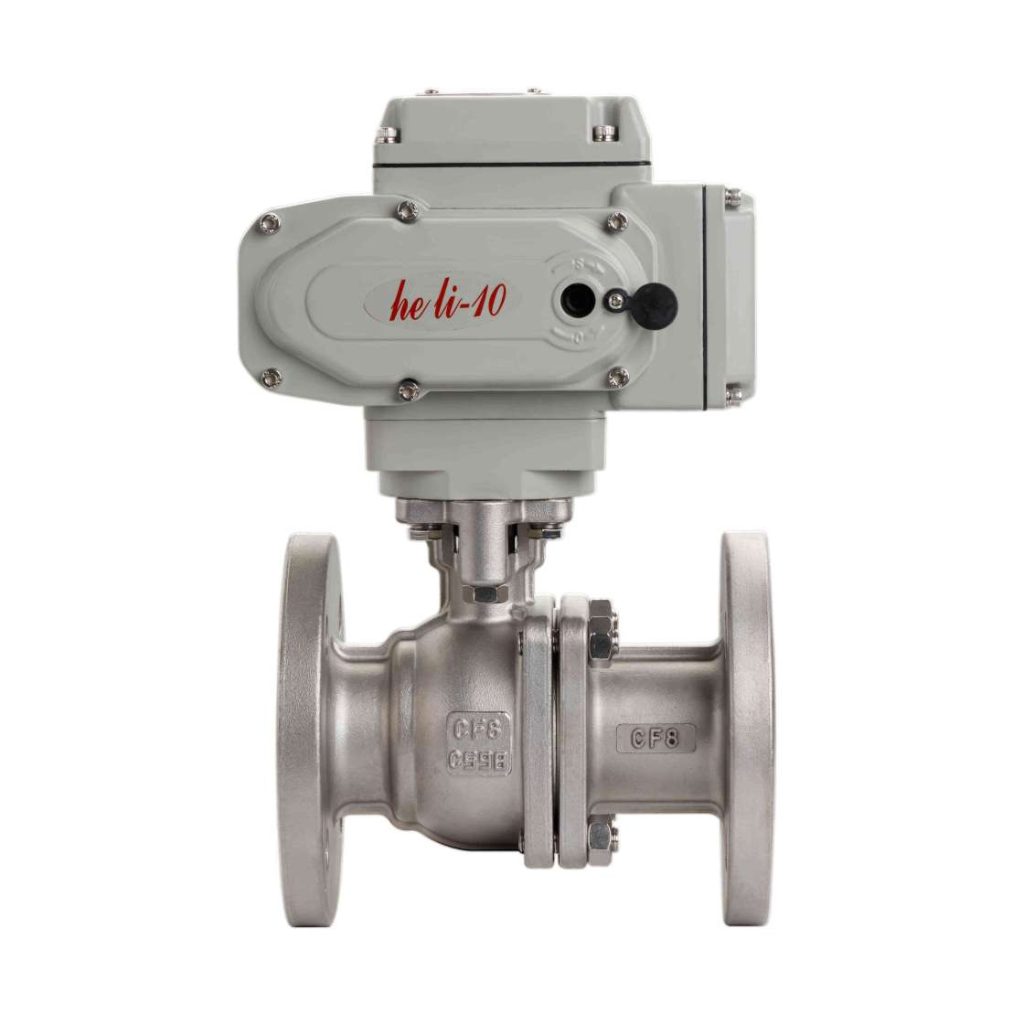
The Electric Stainless Steel Flange Ball Valve is a remarkable piece of engineering designed to offer efficient fluid control in various industrial applications. This valve, as its name suggests, combines the strength of stainless steel with the flexibility of electric operation, making it a highly versatile component in numerous systems that require precise and reliable flow management. From water treatment plants to oil and gas pipelines, the electric stainless steel flange ball valve has become an essential part of fluid control infrastructure due to its durability, precision, and ease of integration.
What is an Electric Stainless Steel Flange Ball Valve?
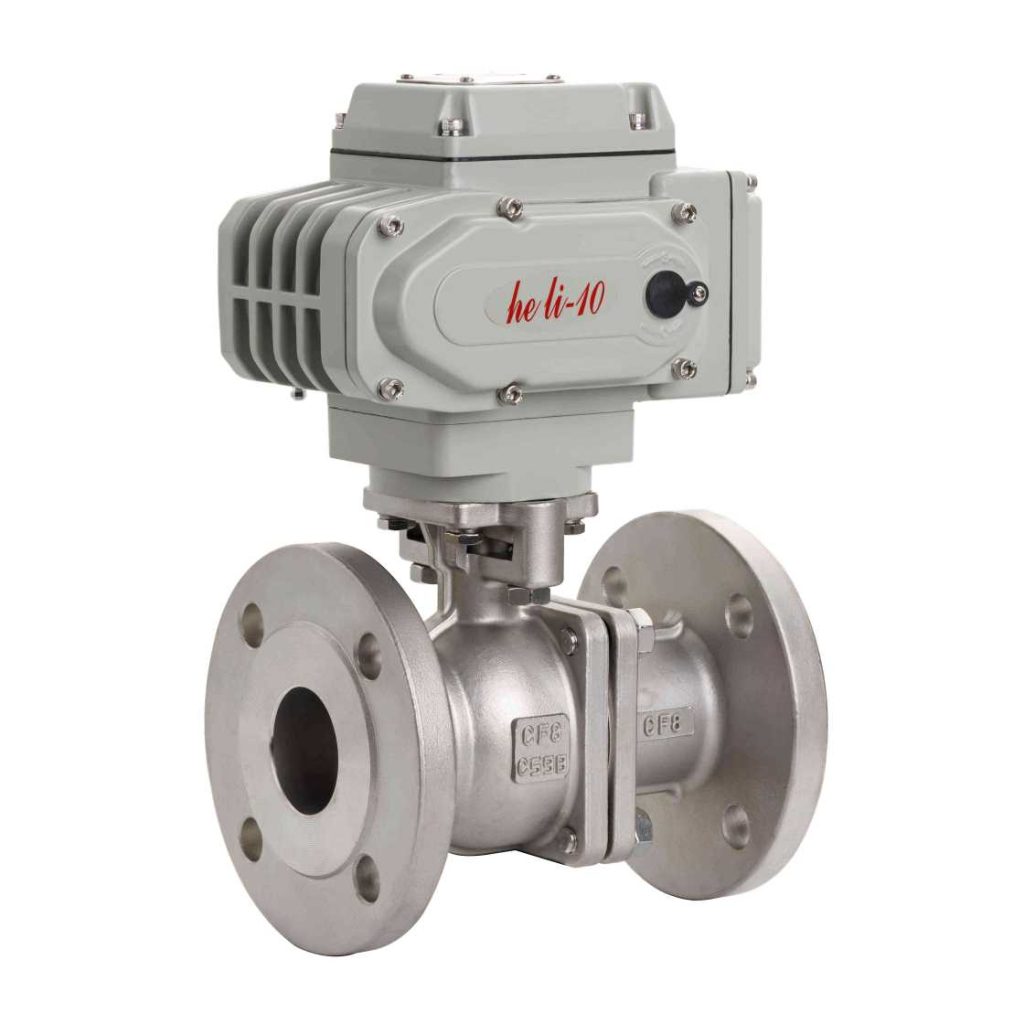
A ball valve is a type of valve that uses a spherical ball to control the flow of liquids or gases through a pipe. The ball has a hole in the middle, and when the valve is opened, the hole aligns with the pipe, allowing the fluid to pass through. Conversely, when the valve is closed, the ball rotates, blocking the flow. This mechanism is both simple and highly effective for controlling fluid flow. The “electric” part of the electric stainless steel flange ball valve refers to the actuator that operates the valve. Unlike traditional manual valves, which require human intervention to open or close, electric actuators allow for remote or automatic operation of the valve. This enhances the valve’s usability, especially in environments where manual operation may be cumbersome or dangerous. The flange design refers to the way the valve is connected to the pipeline: it is equipped with flanges at both ends, which are bolted to the piping system, ensuring a secure and leak-proof connection.