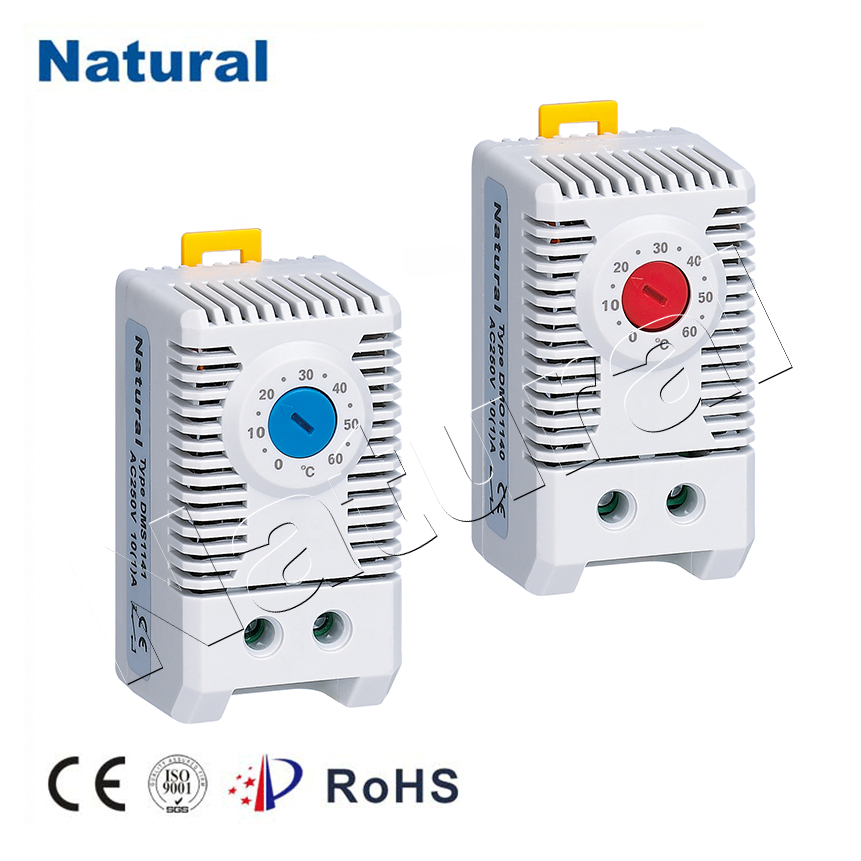
In today’s modern world, efficient temperature control is vital for both residential and commercial environments. One essential component that ensures the optimal functioning of heating, ventilation, and air conditioning (HVAC) systems is the thermostat. Among the various types of thermostats available, the 24V DC thermostat has gained significant popularity due to its versatility and reliability. This article aims to provide a comprehensive understanding of the 24V DC thermostat, its working principles, benefits, installation process, and applications.
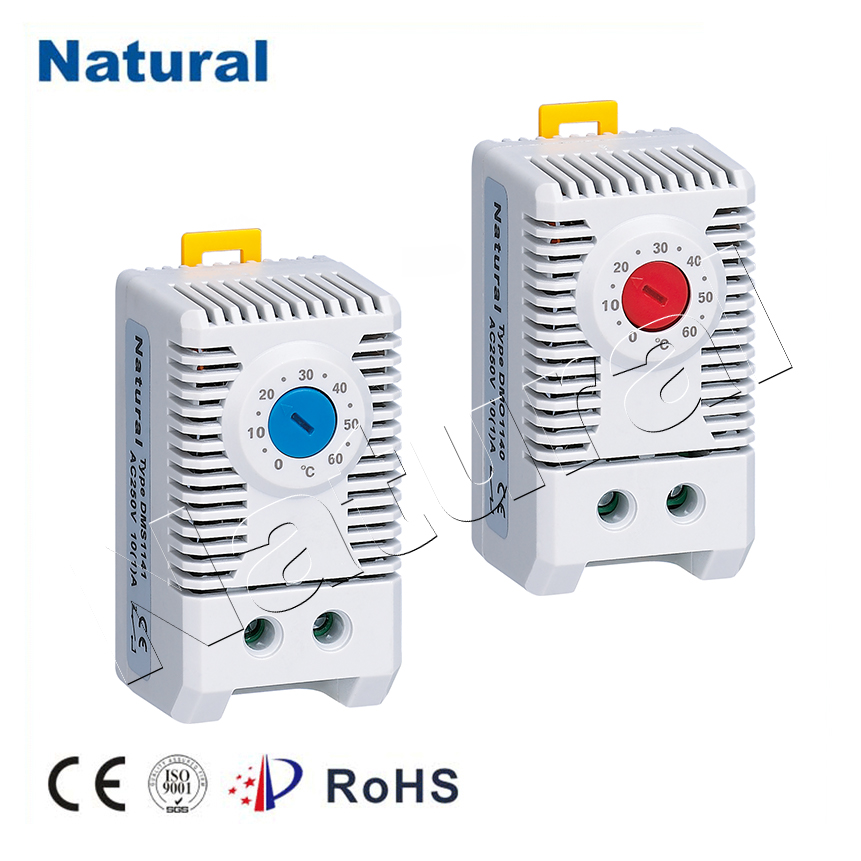
What is a 24V DC Thermostat?
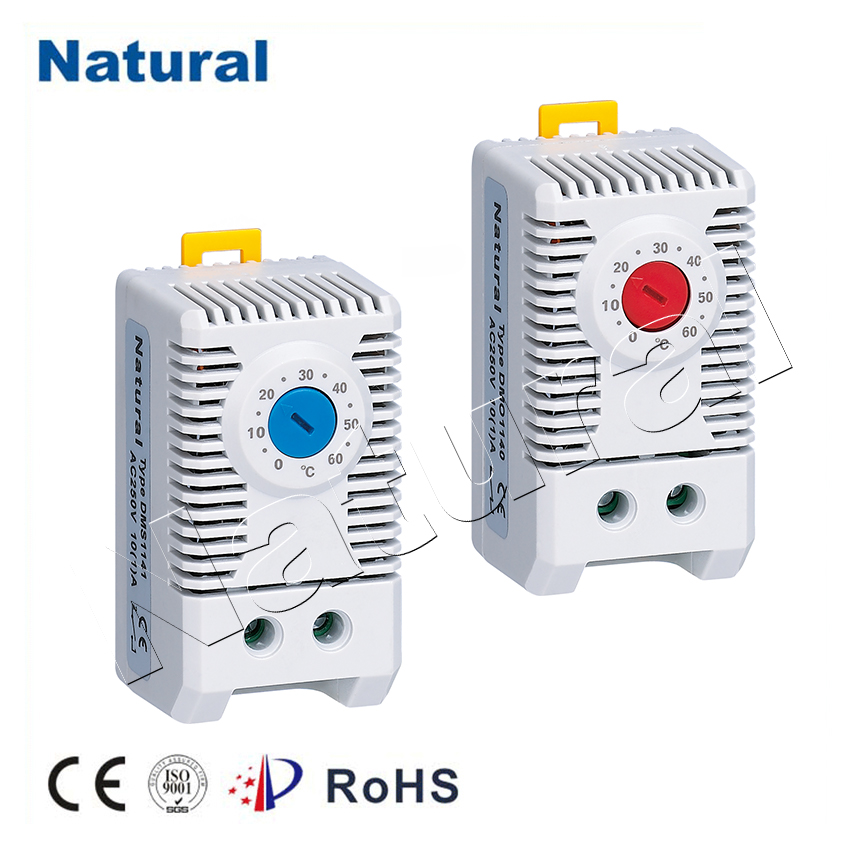
A 24V DC thermostat is a temperature control device that operates on a 24-volt direct current power supply, commonly used in HVAC systems. Unlike standard thermostats that may work with line voltage (typically 120V or 240V AC), the 24V DC thermostats function at a lower voltage, which is safer and often more efficient, especially in residential settings. These thermostats are equipped with sensors that detect the ambient temperature and compare it to the desired setpoint defined by the user. Working Principles The working mechanism of a 24V DC thermostat is relatively simple. When the ambient temperature falls below the setpoint, the thermostat sends a signal to the HVAC system to heat the space. Conversely, if the temperature exceeds the setpoint, the thermostat activates the cooling system. This on-and-off cycling helps maintain a stable and comfortable temperature in the environment.