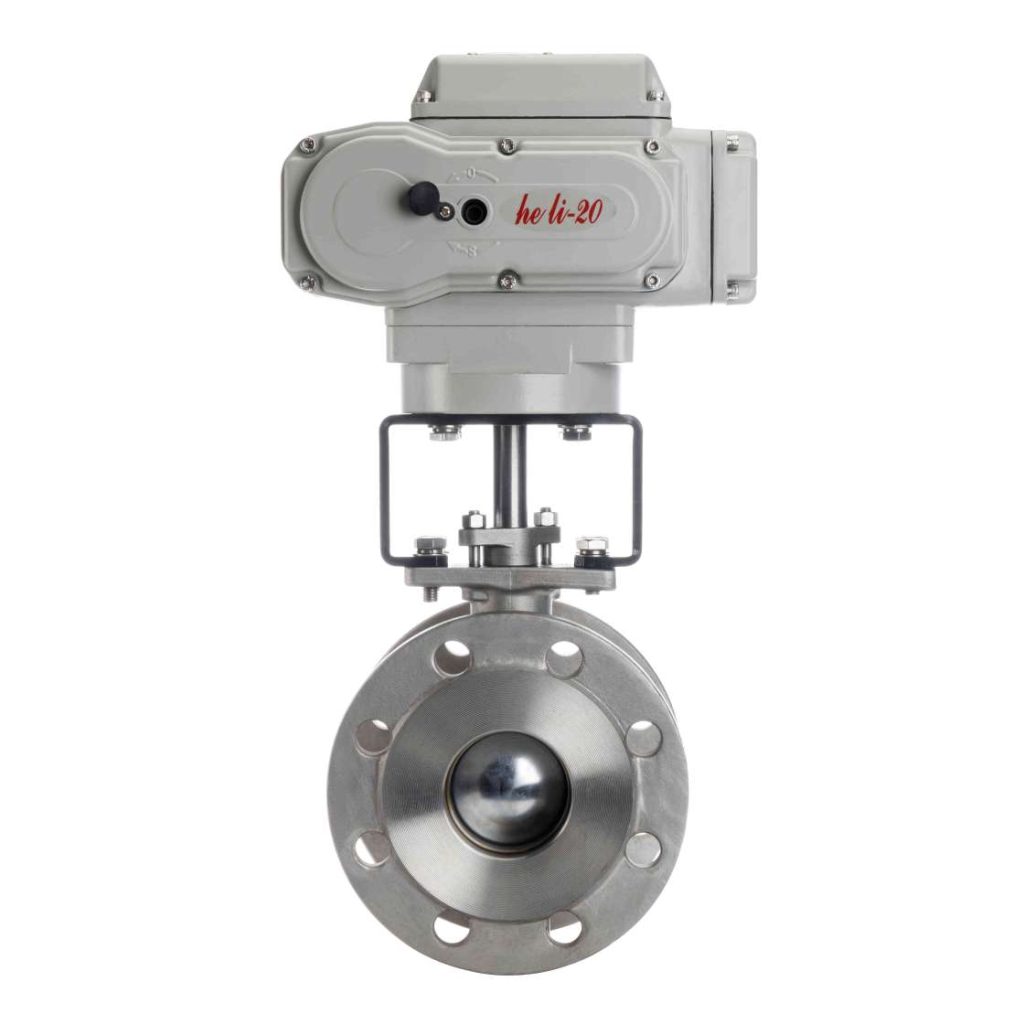
In industrial systems where precise control over fluid flow is crucial, the Electric V-ball Valve has proven to be an invaluable component. This valve type combines the mechanical advantage of the V-shaped ball design with the automation capabilities of an electric actuator. As industries evolve toward more advanced and automated systems, the Electric V-ball Valve plays a significant role in ensuring efficiency, precision, and reliability in fluid control processes.
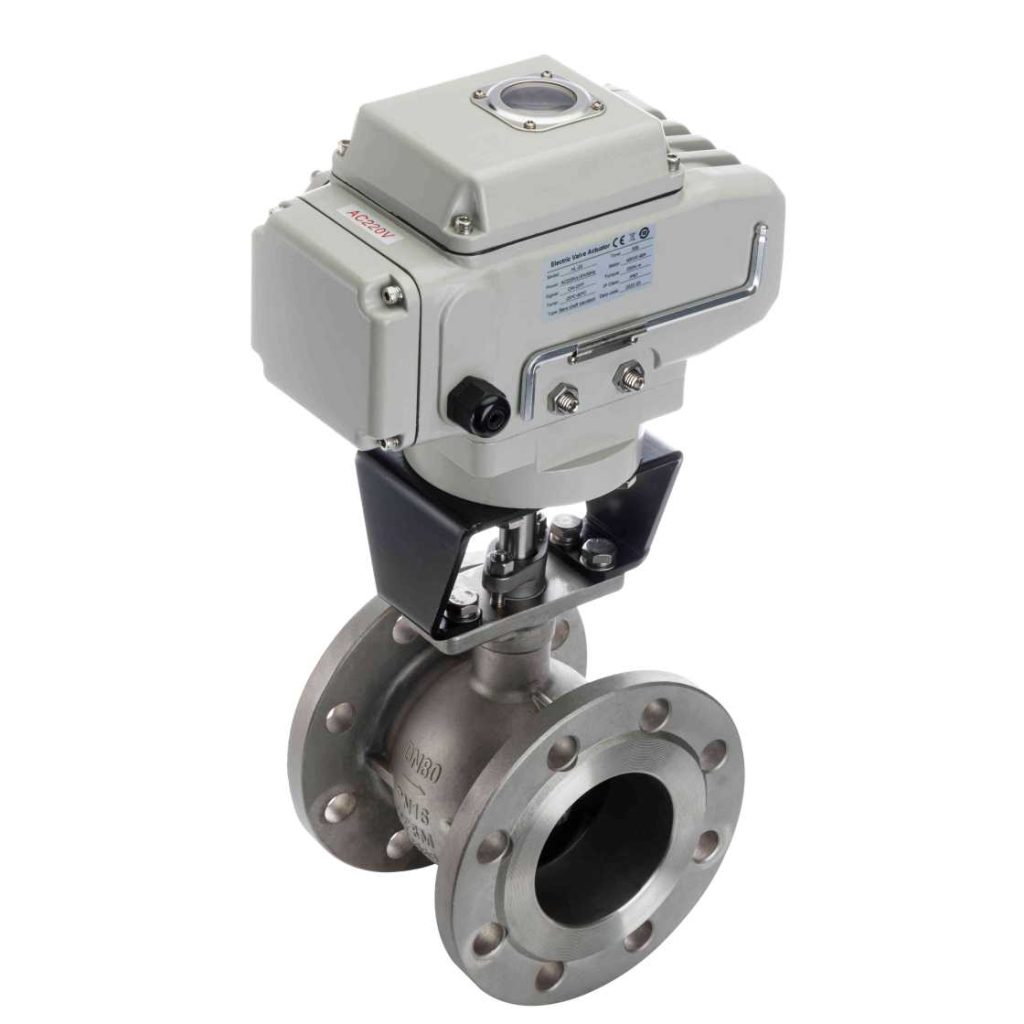
1. What is an Electric V-ball Valve?
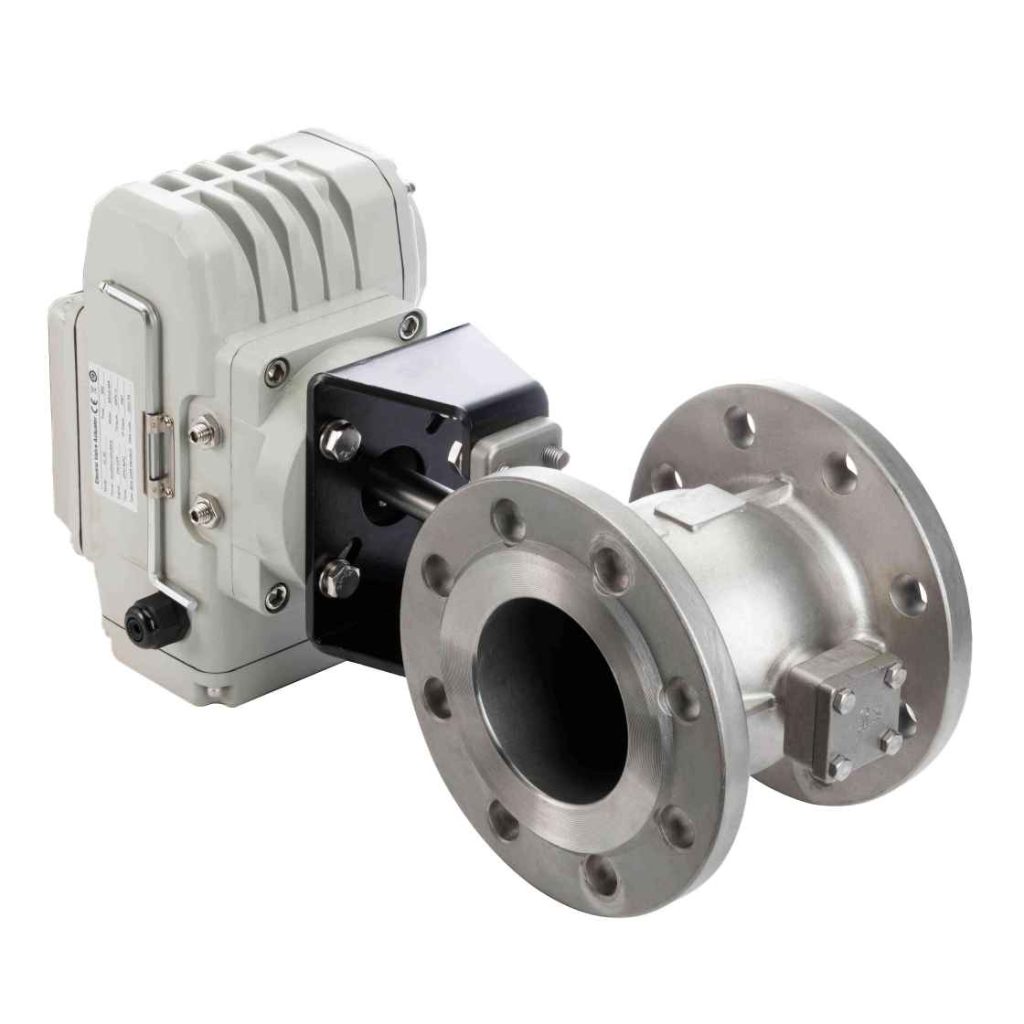
An Electric V-ball Valve is essentially a control valve with a unique V-shaped ball inside it, paired with an electric actuator. The V-ball’s angular cut provides enhanced flow control capabilities compared to traditional ball valves, making it ideal for throttling applications. The electric actuator controls the movement of the valve, allowing for remote control, integration into automated systems, and precise flow adjustments. The electric actuator typically receives signals from a control system, adjusting the valve’s position according to real-time requirements. This can include controlling the flow rate, regulating pressure, or modulating the temperature of the fluid being transported. This high degree of control makes Electric V-ball Valves particularly suited for complex industrial operations, where consistent and accurate control is needed.