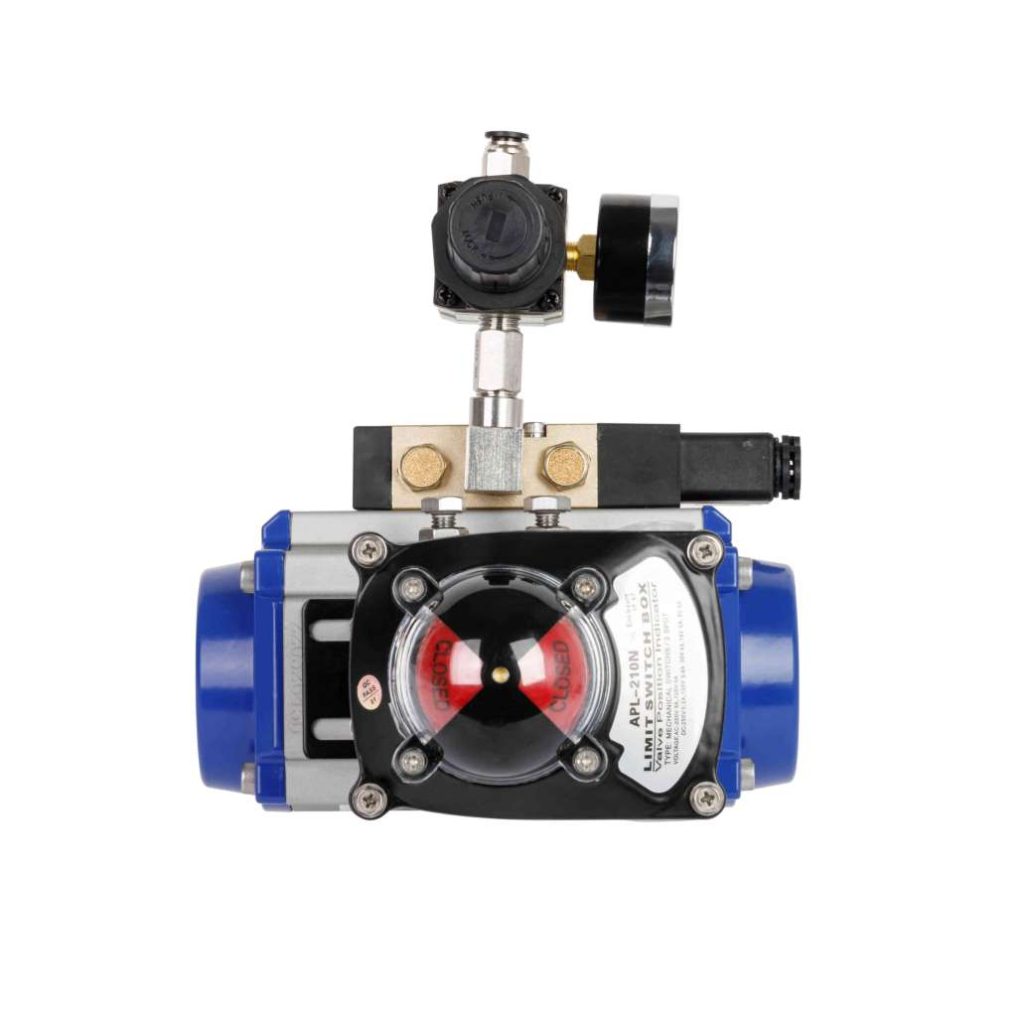
Pneumatic actuators are essential components in many industries, serving as the driving force behind a wide array of mechanical movements. Using compressed air to generate motion, pneumatic actuators play a critical role in automation, robotics, manufacturing, and process control. This article provides a detailed overview of pneumatic actuators, covering their working principle, types, advantages, limitations, and applications, ultimately highlighting their significance in modern industrial processes.
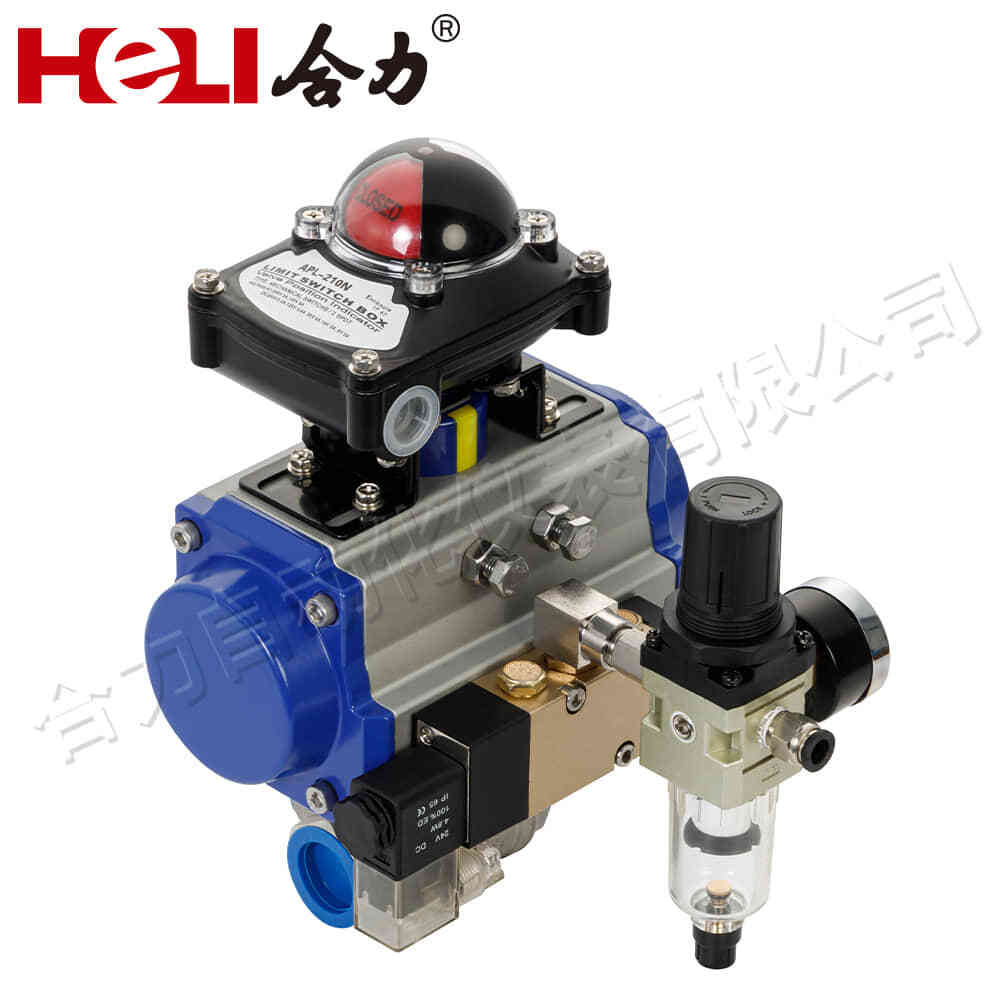
Working Principle of Pneumatic Actuators
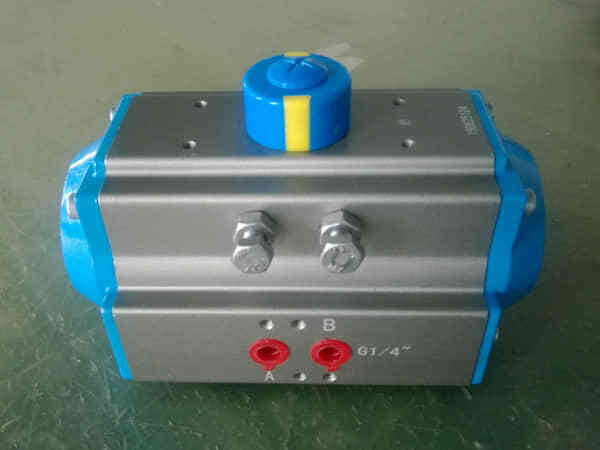
A pneumatic actuator operates on a simple principle: it converts the energy from compressed air into mechanical motion. The actuator typically consists of a cylinder, a piston, and seals, with compressed air entering one side of the cylinder, causing the piston to move. This movement is what drives mechanical processes. Pneumatic actuators can either produce linear motion (in a straight line) or rotary motion (turning in a circular motion), depending on the design of the actuator. The process begins when compressed air enters the actuator’s cylinder, which pushes the piston in one direction. In a single-acting actuator, the piston is driven in one direction by air pressure, while a spring or another mechanical element returns it to its original position. In contrast, a double-acting pneumatic actuator uses compressed air in both directions, allowing for more precise control and greater force output. Rotary pneumatic actuators, meanwhile, use compressed air to rotate a shaft, making them ideal for applications requiring rotational motion.