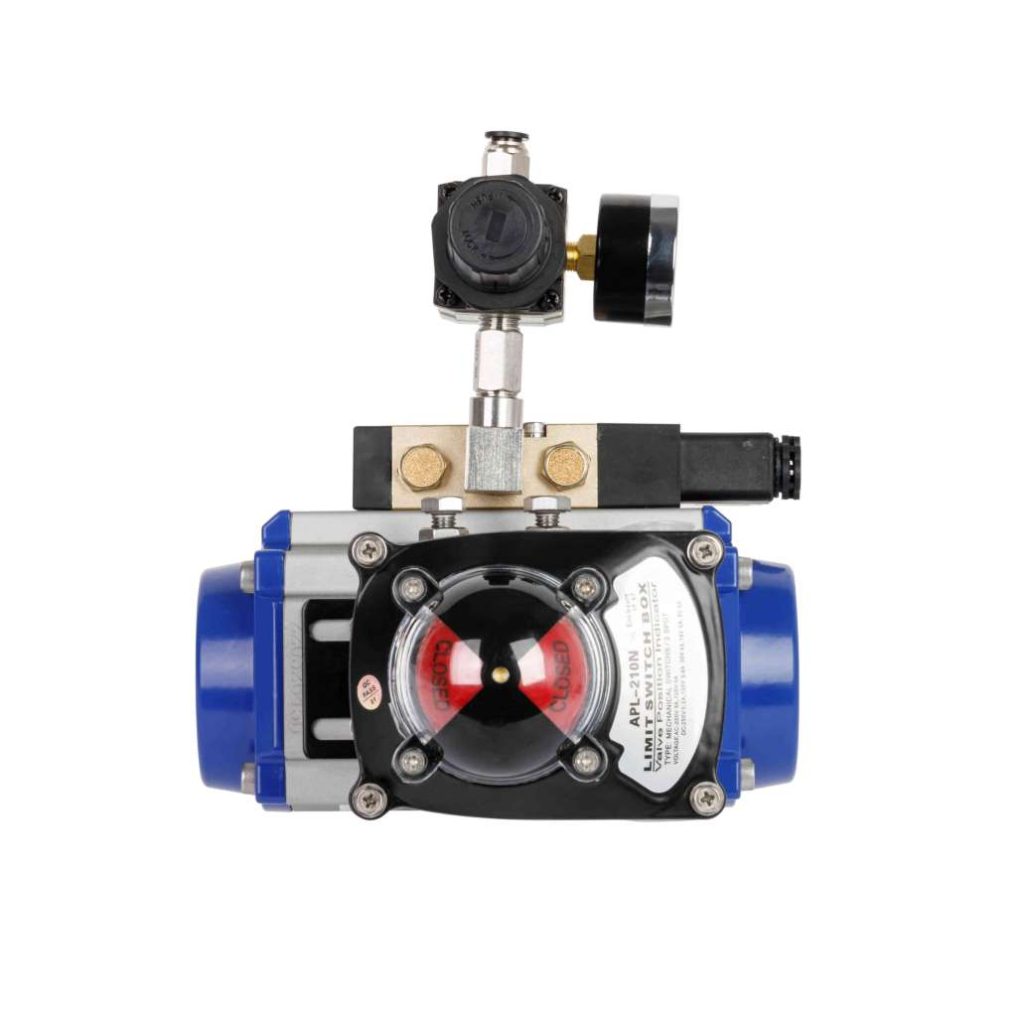
Pneumatic actuators are essential components in various industrial and automation systems. These devices harness compressed air to generate mechanical motion, making them an integral part of industries that require precise movement and high-speed performance. In this article, we will explore the working principles, types, and applications of pneumatic actuators, along with their advantages and limitations.
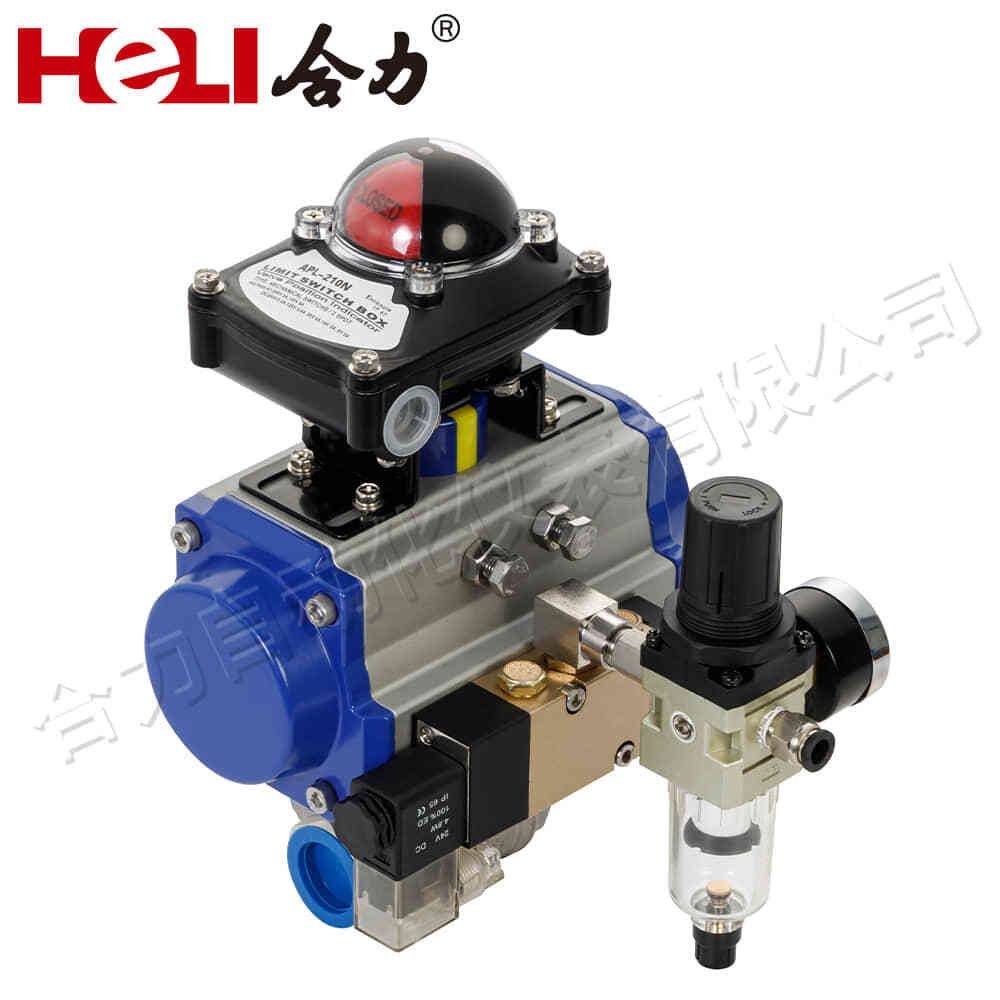
Working Principles of Pneumatic Actuators
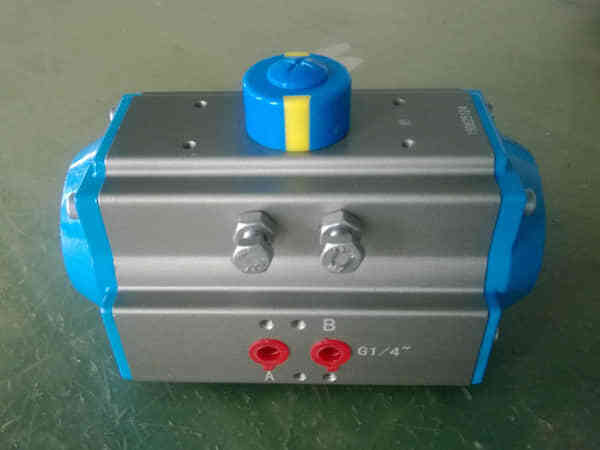
A pneumatic actuator is a device that converts compressed air into mechanical energy. The basic working principle involves using the energy stored in compressed air to create motion. Typically, compressed air is fed into the actuator’s cylinder, where it acts on a piston or diaphragm to generate movement. When the compressed air enters the actuator, it forces the piston to move in a specific direction. This linear or rotary motion can then be used to perform tasks such as opening or closing valves, moving mechanical arms, or adjusting positions in automation systems. The return motion is often achieved using springs or the exhaust of compressed air from the cylinder.