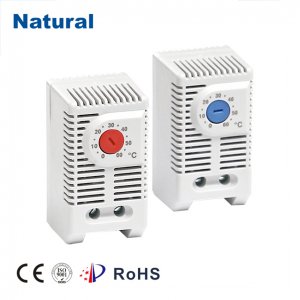
A control panel thermostat is an essential device used in modern homes, offices, and industrial settings to regulate the temperature of a space. It allows users to set, monitor, and maintain a comfortable environment by controlling heating and cooling systems. With the advent of technology, these thermostats have evolved from simple manual devices into sophisticated digital models, offering greater precision and ease of use. This article explores the key components, functions, and benefits of control panel thermostats, and why they are integral to energy efficiency and overall comfort.
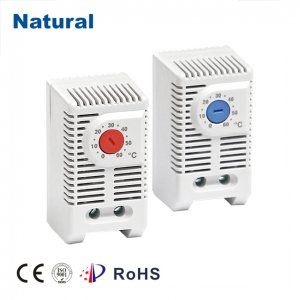
The Basics of a Control Panel Thermostat
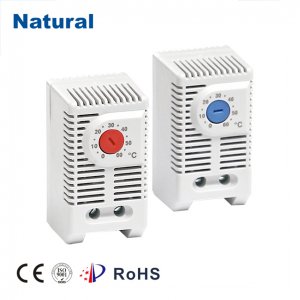
A control panel thermostat is designed to manage the temperature of a space by regulating the operation of HVAC (Heating, Ventilation, and Air Conditioning) systems. The device typically consists of a digital or mechanical interface, sensors, and a control system that communicates with heating or cooling units. The main function of the thermostat is to monitor the current temperature of a room and compare it with the user-defined setpoint. When the temperature deviates from the set point, the thermostat sends signals to the HVAC system to either heat or cool the space to restore balance. This process is automated and allows the user to enjoy a consistent and comfortable environment without constant manual adjustments.