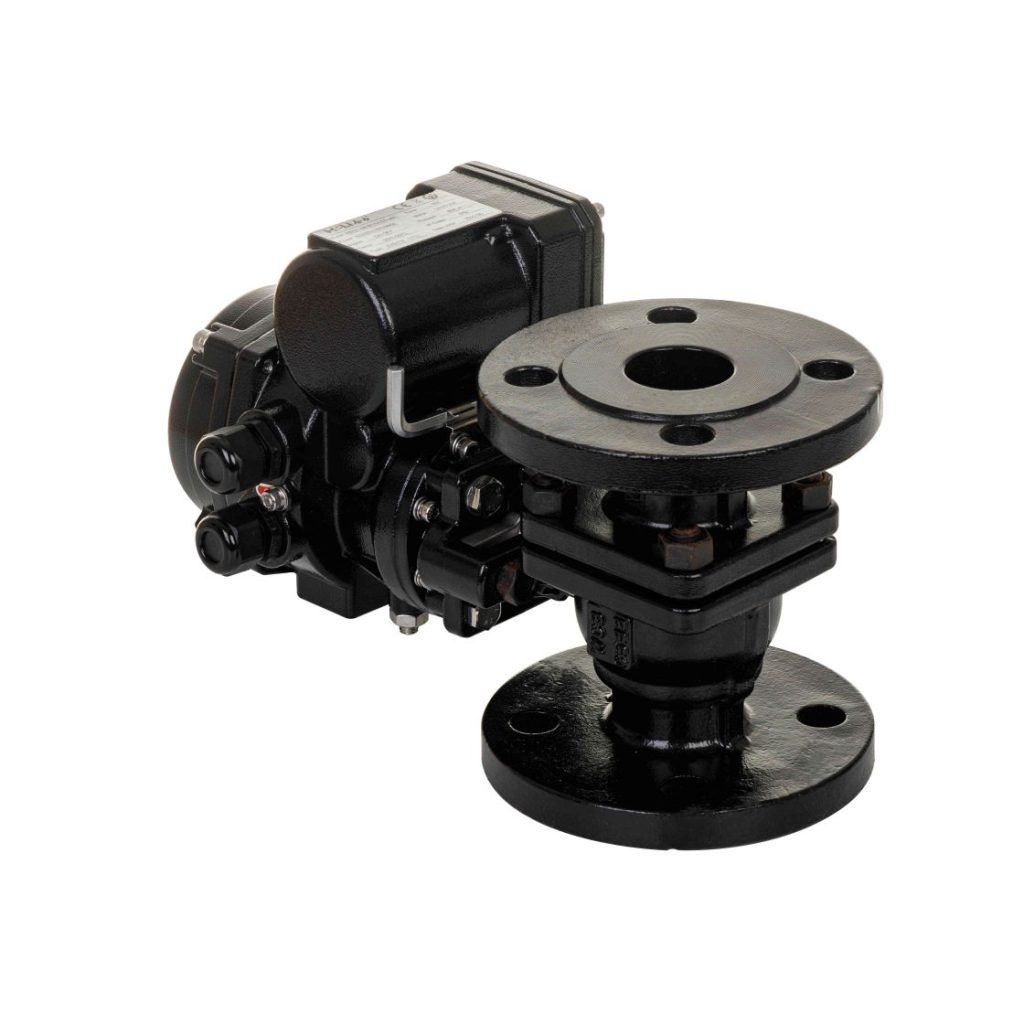
Electric flange ball valves are vital components in industrial flow control systems, enabling efficient and reliable operation in a wide range of applications. As an essential part of various industries, these valves are designed to offer precise control over the flow of liquids and gases. Manufacturers play a crucial role in ensuring that these valves meet the stringent demands of modern industries. In this article, we will explore the key features of electric flange ball valves, the factors influencing their selection, and what makes an Electric Flange Ball Valve Manufacturer stand out in the competitive marketplace.
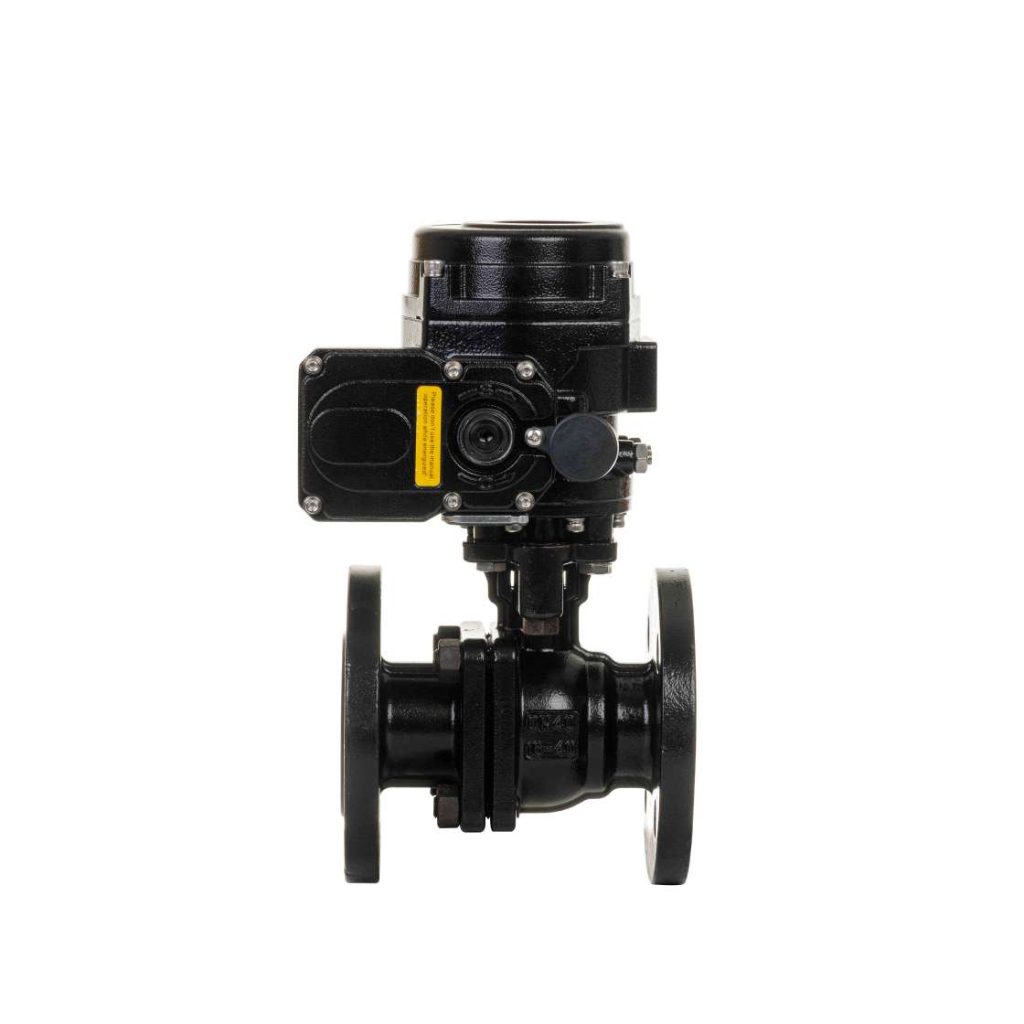
Understanding Electric Flange Ball Valves
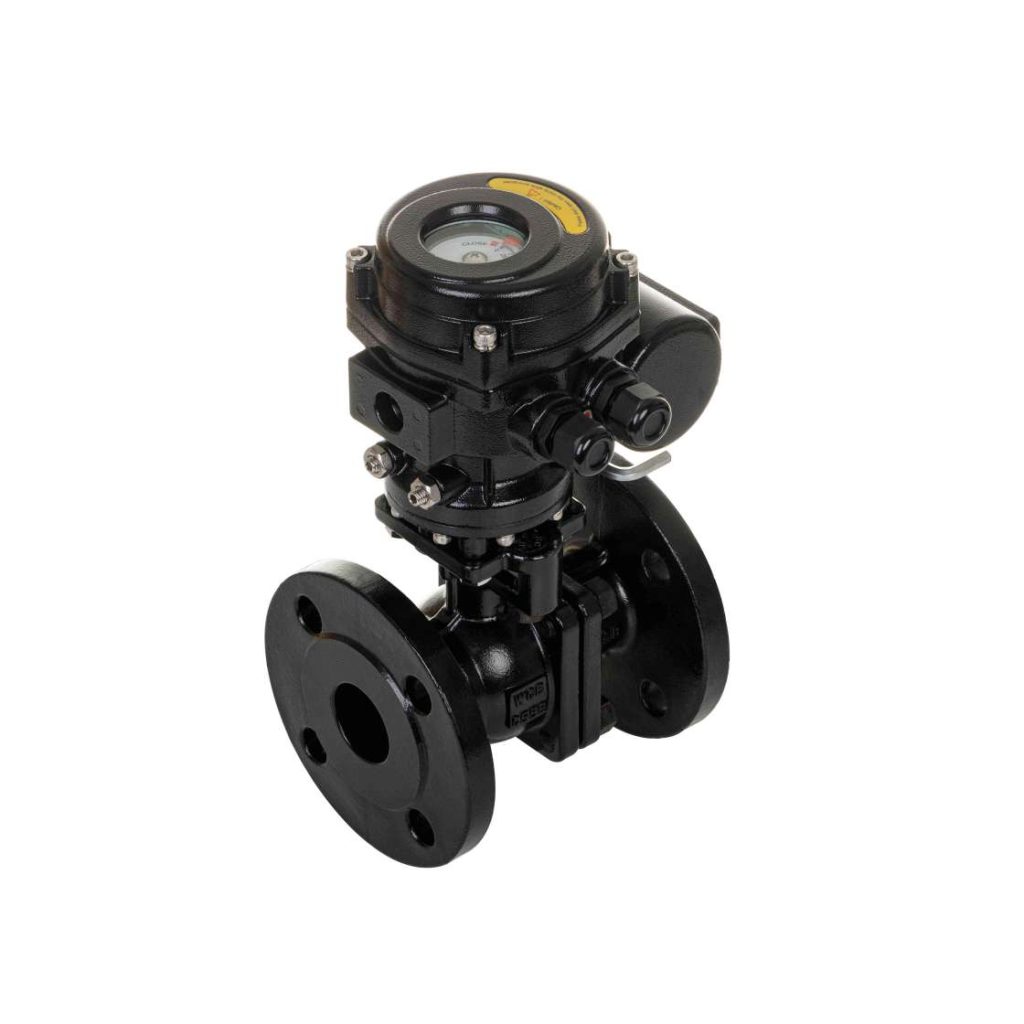
An electric flange ball valve combines the mechanical operation of a ball valve with the automation of an electric actuator. The core function of this valve is to control the flow of fluids within pipelines by using a rotating ball with a hole through its center. When the valve is open, fluid can pass through; when it is closed, the flow is stopped. The valve’s actuator is powered by electricity, which enables remote or automated control, allowing for more efficient and accurate operation compared to traditional manual valves. The “flange” refers to the way the valve is connected to the pipeline. Flange connections provide a secure and leak-proof seal, making them ideal for high-pressure and high-temperature applications. These valves are often used in industries such as oil and gas, chemical processing, water treatment, and power generation.