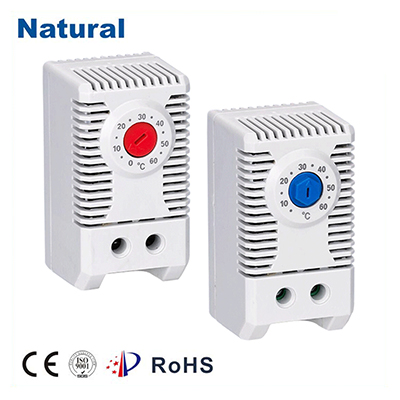
A bimetal thermostat thermostat is a widely used temperature control device that operates on the principle of thermal expansion. It is commonly found in a range of applications, from household appliances to industrial equipment. This article aims to explain how bimetal thermostats work, the different types available, and their various uses in everyday life.
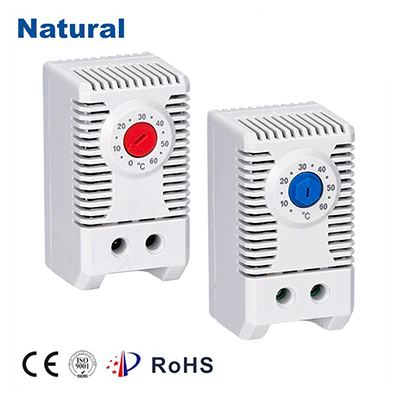
What is a Bimetal Thermostat?
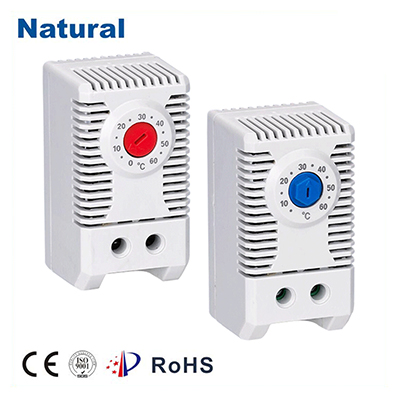
A bimetal thermostat is a temperature-sensitive switch that uses the unique properties of two different metals with different expansion rates when heated. These metals are bonded together to form a bimetallic strip. When the temperature changes, the bimetallic strip bends due to the differing expansion rates of the metals. This bending action is used to open or close electrical contacts, which in turn control the operation of heating or cooling devices. The device’s primary function is to maintain a specific temperature range by opening or closing the electrical circuit in response to temperature fluctuations. The thermostat either activates or deactivates a heating or cooling system based on the temperature settings.