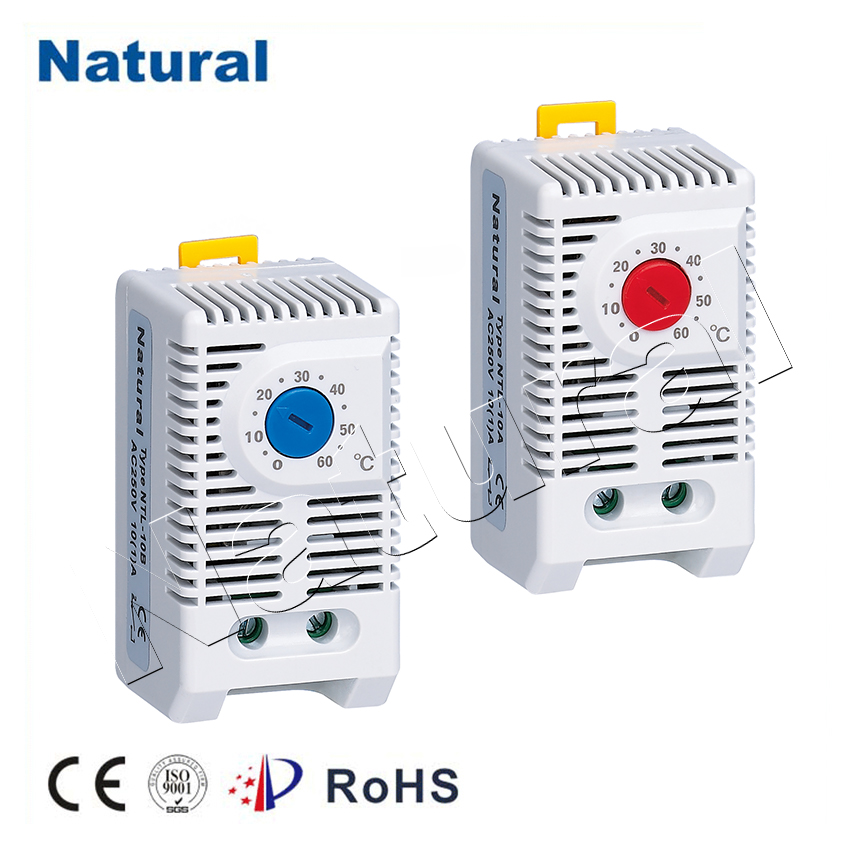
Electric cabinet thermostats are crucial components in maintaining the optimal performance of electrical systems. These thermostats regulate the temperature inside electrical cabinets or control boxes, ensuring that equipment operates within a safe and stable thermal range. This article will explore the functionality, importance, and benefits of using an electric cabinet thermostat, as well as how it contributes to the longevity and safety of electrical equipment.
What is an Electric Cabinet Thermostat?
An electric cabinet thermostat is a device installed inside electrical enclosures to monitor and regulate the internal temperature. Electrical cabinets house various electrical components such as circuit breakers, fuses, controllers, and wiring, which can be sensitive to extreme temperatures. If the temperature inside the cabinet rises too high, it can cause equipment malfunction, reduced efficiency, or even permanent damage. On the other hand, low temperatures can lead to condensation, which may result in corrosion and electrical short circuits. To prevent such issues, an electric cabinet thermostat ensures that the temperature remains within a specified range. When the temperature exceeds or falls below the desired threshold, the thermostat activates heating or cooling mechanisms to stabilize the environment.